How to Clean Water Shoes Safely and Effectively
Water shoes are designed to stay moist and exposed to wet environments, which can lead to odors, mildew, and residue buildup. This guide provides practical steps to clean water shoes using common supplies and the specific products listed, helping extend their life and keep them fresh for the next outing.
With a straightforward routine, most water shoes can be refreshed in minutes. The methods below balance gentle scrubbing, deodorizing, and complete drying to prevent damage to materials like mesh and rubber soles.
Quick Answer
Rinse, scrub with a mesh-friendly brush, deodorize, and air-dry completely. Use a dedicated water shoe cleaning brush set for stubborn grime and an odor eliminator spray to tackle lingering smells.
What You’ll Need
- Water
- Water shoe cleaning brush set
- Mesh shoe scrub brush with handle for water shoes
- Soft cloth or sponge
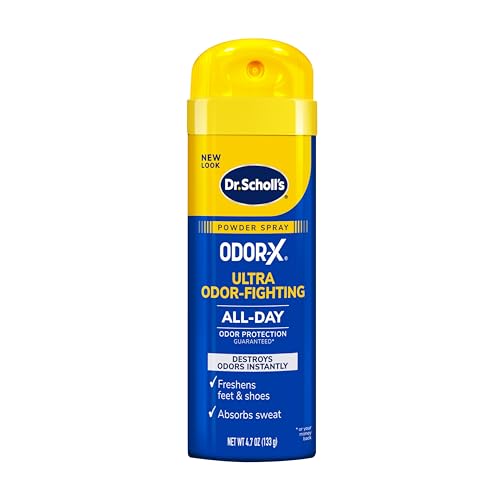
- Odor eliminator spray for water shoes
- Trusted mild detergent (optional, for tougher stains)
- Dry towels or a drying rack


Before You Start
Inspect the shoes for any cracks or delamination before cleaning. Remove insoles if possible and wash them separately. Rinse off loose debris to prevent scratching during brushing. Let the shoes dry fully after cleaning to prevent mold growth. Avoid harsh brushes on mesh fabrics to prevent snagging.
Time estimates: 15–30 minutes for a typical pair. Plan extra time if the shoes are heavily soiled or have strong odors.
Step-By-Step: How To Clean Water Shoes
- Rinse the shoes with lukewarm water to remove loose dirt and sand.
- Mix a small amount of mild detergent with water if needed for tougher stains.
- Use the water shoe cleaning brush set to scrub the exterior and interior surfaces gently, focusing on the toe region and tread.
- For stubborn grime, switch to the mesh shoe scrub brush with handle for water shoes to reach fabric crevices without harming the mesh.
- Rinse thoroughly to remove all soap residue, including from the tongue and seams.
- Pat dry with a towel and remove insoles to air-dry separately.
- Apply a light mist of odor eliminator spray for water shoes to combat lingering smells.
- Place shoes in a well-ventilated area or use a drying rack to air dry completely before wearing again.
- Reinsert insoles once dry, and ensure the shoes are fully dry inside and out.
- If desired, brush the exterior lightly after drying to restore pile or finish, then store in a cool, dry place.
- For ongoing freshness, repeat every 1–2 weeks during heavy use or after exposure to odor-causing environments.
- Keep a small bottle of odor eliminator spray on hand for quick refreshes between cleanings.
Troubleshooting
| Symptom | Likely Cause | Fix | Prevention |
|---|---|---|---|
| Persistent odor after cleaning | Deep-seated odor in fabric | Re-spray with odor eliminator spray for water shoes and ensure complete drying | Allow full dry time; avoid storing while damp |
| Color fading on mesh | Harsh cleaners or scrubbing too aggressively | Switch to mild detergent and softer brush | Test cleaner on a small area first |
| Stiff or squeaky sole after drying | Residual soap or moisture trapped in sole | Rinse again and air-dry longer | Dry thoroughly in a ventilated space |
| Stains that won’t come out | Set-in dirt | Let a mild detergent sit for a few minutes, then scrub | Rinse promptly after cleaning in future |
Common Mistakes To Avoid
- Avoid using hot water, which can warp materials or warp the fit of the shoe.
- Don’t scrub aggressively with hard brushes on mesh fabrics; use the mesh shoe scrub brush with handle for water shoes for delicate areas.
- Avoid leaving shoes damp in enclosed spaces to prevent mold; ensure full drying before storage.
- Do not mix multiple cleaners without testing, as residues can irritate feet.
Tips For Best Results
- Regular maintenance reduces deep cleaning needs; quick rinse after use can prevent buildup.
- Keep a dedicated brush set for water shoes to avoid cross-contamination with street shoes.
- Use odor eliminator spray in moderation and let it dry completely before wearing again.
- Air-dry away from direct heat sources to avoid warping or material damage.
Call A Professional
Consider professional cleaning if water shoes show persistent mildew, significant mold, or structural damage such as cracks in the sole. Seek expert advice if the shoe materials seem to be degrading or if insurance or warranty guidance applies to performance footwear.
FAQ
What is the best brush for water shoes?
A mesh shoe scrub brush with handle for water shoes provides a gentle yet effective scrub for fabric areas, while a broader water shoe cleaning brush set handles tougher exterior grime.
Can I wash water shoes in a machine?
Machine washing is generally not recommended as it can warp or damage materials; hand washing with mild soap and air drying is preferred.
How often should I clean water shoes?
Clean after heavy use or exposure to sand, salt, or mud; a quick rinse after each outing helps maintain freshness.
Is it safe to use deodorizing sprays on all water shoes?
Most odor eliminator sprays designed for water shoes are safe when used as directed; avoid applying excessively to prevent skin irritation and fabric discoloration.
Should insoles be cleaned separately?
Yes. Remove insoles if possible and wash them by hand or with the same general approach, then let them dry completely before reinsertion.
Buying Guide
Choosing the right water shoes and care supplies involves several factors. Consider size and fit to ensure comfort during water activities, as a poor fit can trap moisture and cause blisters. Noise level is not typically a concern, but overall comfort and breathability matter. Energy efficiency is less relevant for cleaning, but efficient drying helps reduce overall moisture exposure. For care, look at brush quality, bristle softness, and compatibility with mesh fabrics. Controls and placement refer to how easily the cleaning tools can be used and stored—compact brush sets and spray bottles are convenient. When comparing options, prioritize fabric-safe brushes, a dependable odor eliminator spray for water shoes, and a reliable cleaning routine that suits your typical activities and climate. Would you like to see quick comparisons between the featured products and alternatives for different budgets?
Leave a Reply