How to Clean Vomit From Tile Floor
Accidents happen, especially in high-traffic areas or homes with children and pets. Cleaning vomit off a tile floor involves removing solids, disinfecting the area, and neutralizing odors without damaging the grout or finish. The following guide provides a practical, step-by-step approach using common tools and a few specialized products to restore a clean, fresh surface.
This article breaks down a quick, effective method and offers safety tips to protect floors, avoid staining, and prevent lingering smells. Readers will learn how to tackle the mess efficiently while maintaining hygiene and floor integrity.
Quick Answer
Act quickly to remove solids, then use a combination of warm water, a grout brush, and an enzymatic cleaner to neutralize odors. For tough residue, employ a steam mop with scrubbing action and finish with a deodorizing cleaner to keep tiles fresh.
What You’ll Need
- Grout brush stiff nylon tile cleaning brush 4 inch
- Steam mop for tile floors with scrubbing action
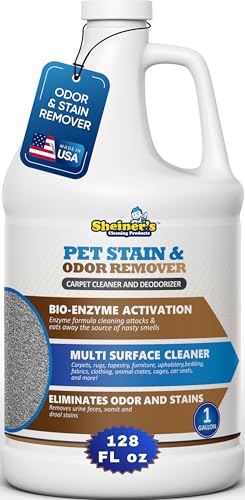
- Enzymatic floor cleaner odor remover vomit tile 1 gallon


Before You Start
Put on disposable gloves and, if needed, a mask to avoid contact with biological material. Ventilate the area by opening a window or turning on an exhaust fan. Clear the area of small items to prevent contamination or slipping. For floor finishes, test the cleaner on a small, inconspicuous spot first to confirm there is no discoloration. Time estimate: 15–30 minutes for a standard kitchen or hallway spill.
Important cautions: Do not mix cleaners that could release fumes; never use bleach on certain grout or sealants unless the product instructions permit it; avoid saturating porous grout if it risks seepage into the subfloor.
Step-By-Step: How To Clean Vomit From Tile Floor
- Contain the spill by placing paper towels or a disposable cloth around the edges to prevent spreading.
- Remove solid matter with a disposable scoop or paper towels, placing the waste in a sealed bag.
- Rinse the area with warm water to loosen all residues and prevent staining; blot up the majority of moisture with clean towels.
- Apply an enzymatic floor cleaner odor remover vomit tile to the affected grout and tile. Let it sit as directed to break down organic material.
- Scrub the grout lines and tile surface with the grout brush stiff nylon tile cleaning brush 4 inch to lift trapped particles.
- Use a steam mop for tile floors with scrubbing action on the area to lift remaining residue and sanitize the surface.
- Wipe the area dry with clean towels to prevent water stains and to prepare for deodorizing.
- Rinse again with plain water if the enzymatic cleaner label requires it, then blot dry.
- Apply a light mist of the enzymatic cleaner or a recommended floor deodorizer to leave a fresh scent and ongoing odor control.
- Inspect the grout for remaining spots; repeat cleaning on stubborn areas as needed.
- Allow the floor to air-dry completely before reentry into the space, and keep pets or children away until dry.
Troubleshooting
| Symptom | Likely Cause | Fix | Prevention |
|---|---|---|---|
| Persistent odor | Enzymatic cleaner not fully contacting the source | Reapply enzymatic cleaner and let sit longer; re-clean with brush and steam mop | Treat promptly; follow label directions |
| Streaks or discoloration | Excess cleaner or improper rinsing | Rinse thoroughly with clean water and blot dry | Spot-test cleaner; use minimal product |
| Sticky surface after cleaning | Residue from cleaning agents | Rinse and dry; consider a second pass with steam mop | Use clear water rinse where advised |
| Grout darkening | Water saturation or heavy cleaner on grout | Dry grout thoroughly; apply a grout-safe sealer after restoration | Avoid over-wetting grout |
Common Mistakes
- Waiting too long to start cleaning, which lets organic matter bind to grout
- Using abrasive tools on delicate tile or sealed grout
- Mixing incompatible cleaners that release harmful fumes
- Over-wetting the area, which can lead to mold growth in porous grout
Tips For Best Results
- Work from the outside of the spill toward the center to contain it.
- Always test a small area first when using a new cleaner.
- Pre-treat with enzymatic cleaner to neutralize odors at the source.
- Use a steam mop with scrubbing action to maximize sanitation without harsh scrubbing.
- Keep a clean, dry towel handy to blot moisture after cleaning.
Call A Professional
Call a pro if there is significant staining that affects grout color, if there is persistent odor after multiple cleanings, or if the spill involved contaminated materials or a hazardous substance. Seek professional help when the substrate sustains water damage, or if you notice mold growth beneath tiles or along the grout lines.
FAQ
Is enzymatic cleaner safe for all tile types?
Most enzymatic cleaners are safe for sealed tile and grout, but always check the label for compatibility with your specific tile and sealant.
Can I use bleach to remove vomit from grout?
Bleach can discolor some grout and damage certain sealants; use only if the cleaner label explicitly allows it and test first.
How long should I let the enzymatic cleaner work?
Follow the product instructions, typically 5–15 minutes, to let enzymes break down organic matter.
Is steam cleaning necessary after enzymatic treatment?
Steam cleaning isn’t always required but can enhance sanitation and odor removal, especially on stubborn residues.
What if the odor returns after cleaning?
Reapply the enzymatic cleaner, ensure proper drying, and consider a deodorizing spray designed for tile floors.
Should I seal grout after cleaning?
Sealing grout after it is thoroughly clean and dry can help prevent future staining and odors.
How can I prevent future accidents from becoming odors?
Prompt cleanup, regular cleaning with an enzymatic cleaner, and routine grout sealing help maintain freshness.
Buying Guide
When choosing tools and cleaners for tile floor vomit cleanup, consider size, effectiveness, and ease of use. A grout brush stiff nylon tile cleaning brush 4 inch helps reach grout lines, while a steam mop for tile floors with scrubbing action adds sanitation power without excessive scrubbing. An enzymatic floor cleaner odor remover vomit tile 1 gallon tackles odors at the source and preserves tile integrity. For busy households, select products with clear instructions and proven odor-neutralizing capabilities. Evaluate any noise, energy use, and maintenance requirements to fit daily cleaning routines. Ensure compatibility with your tile type and grout sealant, and consider a kit that bundles cleaning tools with stain-fighting formulas for convenience.
Leave a Reply