How to Clean Vinyl Siding
Vinyl siding is a popular exterior finish for American homes due to its durability and low maintenance. Regular cleaning keeps its color bright and protects against algae, mold, and dirt buildup. This guide outlines a practical, safe approach using common tools and a vinyl siding cleaner kit to achieve professional-looking results without damaging the siding.
Readers will find a clear, steps-based process, safety considerations, troubleshooting, and a buyer’s guide to help choose the right equipment for future cleanings.
Quick Answer
For a thorough clean, use a soft brush or a gentle spray with a low-pressure washer, apply a vinyl siding cleaner concentrate, let it dwell briefly, and rinse from top to bottom. Avoid high-pressure settings that can damage panels. Always test a small area first and follow manufacturer instructions on any cleaner kit.
What You’ll Need
- 1800 PSI electric pressure washer for vinyl siding
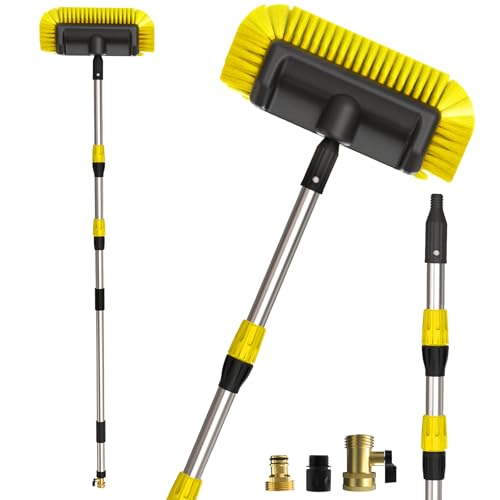
- Telescoping siding cleaning brush with soft bristles for vinyl siding
- Vinyl siding cleaner concentrate soft wash kit


Before You Start
Clear the area around the siding and remove any loose debris. Protect nearby plants, outlets, and light fixtures with plastic sheeting. Wear eye protection and gloves, and check local water runoff regulations. Plan to work in shaded conditions to prevent cleaners from drying too quickly. Time estimate: 2–4 hours depending on house size and condition. Never use ladders on wet ground or climb unstable surfaces.
Step-By-Step: How To Clean Vinyl Siding
- Inspect the siding for damaged panels, loose trim, or exposed nails; repair before cleaning to prevent water intrusion.
- Rinse the entire area with plain water to loosen surface dirt and reveal problem spots.
- Prepare the vinyl siding cleaner concentrate per the kit’s instructions, typically diluting with water in a sprayer or reservoir.
- Apply the cleaner to a small, shaded section and let it dwell for 5–10 minutes, keeping it damp but not drying completely.
- Use the telescoping siding cleaning brush with soft bristles to scrub each section in a downward motion, focusing on stains and mildew.
- Rinse the cleaned area from top to bottom using a wide fan spray at low pressure; avoid concentrated jets that may etch the surface.
- Move along the siding in manageable sections, reapplying cleaner as needed for stubborn stains.
- For caked grime, repeat application and brushing, then rinse thoroughly to prevent residue buildup.
- Inspect after the first pass and touch up any missed spots, especially near corners and seams.
- Allow the siding to air dry completely before repainting or reattaching any fixtures.
- Clean the equipment as directed by the cleaner kit and store chemicals safely.
- Dispose of wastewater in accordance with local regulations and do not rinse into storm drains if prohibited.
Troubleshooting
| Symptom | Likely Cause | Fix | Prevention |
|---|---|---|---|
| Streaks after rinsing | Improper rinse technique or insufficient dwell time | Reapply cleaner, ensure top-to-bottom rinse | Test on small area first, maintain even pressure |
| Cleaner not foaming or penetrating | Wrong dilution or product incompatible with siding | Check kit instructions and use recommended concentrate | Use only vinyl siding-safe cleaners |
| Discoloration or etching | High-pressure spray too close or at strong angle | Switch to low pressure, increase distance | Keep spray at a safe distance and angle |
| Streaks on edges of panels | Water runoff from joints | Rinse with a steady, vertical motion near seams | Work in shaded areas to avoid rapid drying |
Common Mistakes
- Using high-pressure settings on vinyl siding, which can damage surfaces and encourage moisture intrusion
- Not testing cleaner in a hidden area, risking color fading or staining
- Spraying directly into electrical fixtures or outlets
- Neglecting to rinse thoroughly, leaving detergent residue that can attract more dirt
Tips For Best Results
- Work from the bottom up with controlled, consistent passes to prevent runoff marks
- Choose a cool, cloudy day to prevent premature drying and streaking
- Use a soft-bristle brush to avoid scratching the vinyl surface
- Rinse thoroughly and allow full drying before inspecting for missed spots
- Revisit stubborn stains seasonally to maintain a clean appearance
Call A Professional
Consider professional help if any of the following apply: extensive gutter or fascia damage, heavy mold buildup, or siding panels that are warped or loose. If you see persistent discoloration despite cleaning, or the surface still feels tacky after washing, contact a siding specialist. For large homes, multi-story areas, or limited mobility, a pro can deliver consistent results with appropriate safety measures.
FAQ
Can I use a higher PSI to clean vinyl siding faster?
Aim to stay around 1,500–2,000 PSI or less; too much pressure risks damage to panels and sealant.
Is it safe to clean vinyl siding year-round?
Clean during mild weather and avoid cleaning in direct sunlight to prevent fast drying and streaking.
Should I remove mildew with a special product?
Yes; use a vinyl-safe mildew remover or the included cleaner concentrate to target algae and mold.
Do I need to power wash at all?
Not necessarily; many homes can be cleaned effectively with a brush and low-pressure rinse.
How often should I clean vinyl siding?
Every 1–2 years or sooner in humid climates where mildew is common.
Is it necessary to rinse after using cleaner?
Yes; thorough rinsing prevents residue buildup and staining.
Buying Guide
Choosing the right equipment for vinyl siding cleaning involves several factors. Size matters for reach and coverage, while noise level affects comfort for neighborhood living. Energy efficiency can influence long-term use, and controls should be simple to operate. Placement considerations include ease of access to higher siding and water drainage. When comparing options, consider the 1800 PSI electric pressure washer for vinyl siding alongside a telescoping siding cleaning brush with soft bristles and a vinyl siding cleaner concentrate soft wash kit to balance power, safety, and cleaning effectiveness.
Key buying factors include:
- Size and reach: A telescoping brush extends cleaning reach without ladders
- Pressure level: Low to moderate pressure protects siding while removing grime
- Cleaner compatibility: Use vinyl-safe concentrate to avoid staining or damage
- Ease of use: Quick-connect hoses and simple controls save time
- Maintenance: Durable components and readily available replacement parts
Would you like recommendations tailored to a specific house size or siding condition? A well-chosen kit can simplify yearly maintenance and keep vinyl siding looking its best.
Leave a Reply