How to Clean a Vacuum Brush Roll Safely and Effectively
Regular maintenance of a vacuum’s brush roll helps maintain suction, improve cleaning performance, and extend the life of the unit. This guide walks through practical steps to remove hair, threads, and debris from the brush roll without damaging the vacuum.
By following a careful process, homeowners can keep floors and carpets looking their best while avoiding common missteps that can harm the motor or belt system.
Quick Answer
Detach the vacuum from power, remove the brush roll housing, and use a dedicated vacuum cleaner brush roll cleaning tool or a pair of sturdy scissors to cut away tangled hair. Clean the roller surface with a cloth, reassemble, and test suction on a clean floor. Regular maintenance reduces clogs and preserves cleaning power.
What You’ll Need
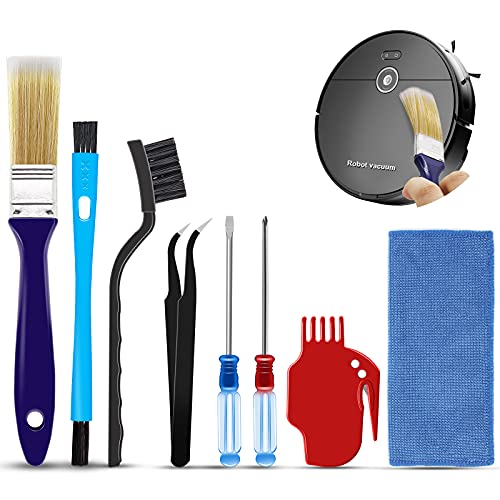
- Vacuum cleaner brush roll cleaning tool or fine-tooth comb
- Vacuum roller brush cleaner tool kit for deeper tangles
- Vacuum brush roll hair removal tool (scissors or cutters designed for fabric)
- Microfiber cloth or damp cloth
- Small screwdriver (if housing requires tool removal)
- Replacement belt (optional but handy for worn belts)


Before You Start
Before beginning, unplug the vacuum and move to a well-lit workspace. Check the user manual for any model-specific cautions. Ensure the brush roll is accessible and that you won’t damage wires or sensors during disassembly. The danger of entangled hair or yarn near moving parts can be minimized with a quick, methodical approach. Time estimates: 10–20 minutes for quick cleanups, 20–40 minutes for thorough maintenance.
Step-By-Step: How To Clean Vacuum Brush Roll
- Power down and unplug the vacuum, then remove the dust canister or bin to expose the brush housing.
- Access the brush roll by removing screws or latches per the model’s design. If unsure, consult the manual or use a vacuum roller brush cleaner tool kit for guidance.
- Carefully lift the brush roll out and lay it on a clean surface. Inspect for hair, threads, and string that accumulate along the axle.
- Using a vacuum cleaner brush roll cleaning tool or a comb, lift and cut away tangles. Work from the center outward to avoid bending the roller.
- Wipe the roller surface with a damp microfiber cloth to remove embedded dust and residue. Dry the surface before reassembling.
- Inspect the bristles for wear. If bristles are bent or worn down, consider replacing the brush roll or purchasing a vacuum brush roll hair removal tool for future maintenance.
- Reinstall the brush roll, ensuring it rotates freely and sits securely on the axles. Reattach screws or latches and reassemble the housing.
- Reinsert the dust canister or bin, plug in the unit, and run a quick test on a bare floor to confirm suction and rotation.
- For ongoing upkeep, perform a lighter clean after every few uses and a deeper clean monthly, depending on household hair and fur levels.
- If you notice persistent clogs or a non-rotating brush, check the drive belt and replace if necessary before using again.
- Document any recurring issues to inform future maintenance or when to seek a professional repair.
Troubleshooting
| Symptom | Likely Cause | Fix | Prevention |
|---|---|---|---|
| Brush roll won’t spin | Stuck with hair or a damaged belt | Clean thoroughly; replace belt if worn | Regular brief cleanings after use |
| Rollers leave streaks or fibers | Residue buildup on bristles | Wipe with damp cloth and dry completely | Brush roll cleaning after heavy shedding periods |
| Unusual noise during rotation | Debris caught in bearings | Remove debris; inspect for wear | Avoid forcing the roller when tangled |
| Reduced suction | Clogged intake or hose; tangled brush | Clear clogs; clean brush roll | Frequent quick checks in high-hair environments |
Common Mistakes
- Trying to clean a hot motor or a live unit; always unplug first.
- Using metal tools on plastic housings, which can cause scratches or cracks.
- Leftover hair fragments around the axle, which can re-entangle after reassembly.
- Rushing the reassembly, causing misalignment and reduced suction.
Tips For Best Results
- Clean the brush roll on a fixed schedule, especially in homes with pets or long hair.
- Keep a dedicated vacuum cleaner brush roll cleaning tool within reach for quick maintenance.
- When reassembling, spin the roller by hand to ensure smooth movement before powering up.
- If you notice persistent hair wrap despite cleaning, consider a brushless or self-cleaning brush roll model as a long-term solution.
Call A Professional
Seek professional help if the brush roll or belt shows significant wear, if the motor overheats, or if the vacuum fails to operate after a thorough cleaning. Stop usage if you detect exposed wiring, unusual electrical burning smells, or if the device emits smoke. A certified technician can diagnose motor or belt issues beyond standard maintenance.
FAQ
How often should I clean the vacuum brush roll?
Most households benefit from a quick clean every few uses and a thorough clean monthly, with more frequent maintenance for homes with pets.
Can I use household tools to remove hair from the brush roll?
Yes, but use non-metal tools to avoid damaging the roller and housing. Prefer dedicated tools designed for this task.
What if the brush roll won’t come out for cleaning?
Refer to the manual for housing access steps; if it’s stuck, stop and consult a professional to avoid breaking clips or belts.
Is a replacement belt necessary after cleaning?
Only if the belt shows wear or slippage. Cleaning does not always require a belt replacement, but a worn belt should be swapped to restore suction.
Can I clean the brush roll while the vacuum is still warm?
Wait for the device to cool before disassembly to prevent burns and avoid damaging internal components.
Buying Guide
When selecting tools or replacement parts for cleaning the brush roll, consider size compatibility with your vacuum model, whether you need a dedicated cleaning kit, and the presence of a built-in hair removal feature. A compact vacuum roller brush cleaner tool kit set can be convenient for quick jobs, while a complete toolkit may offer deeper tangling solutions. Noise level and energy efficiency are less directly affected by cleaning tools but can influence overall user experience, especially for open-concept living spaces. Look for tools that are easy to grip, safe for plastic housings, and compatible with your vacuum’s brush roll type (bristle vs. rubber). For households with multiple vacuum models, a universal cleaning tool that adapts to different brush sizes can simplify routine maintenance and extend equipment life.
Leave a Reply