How to Clean Upholstery With a Steam Cleaner
Steam cleaning offers a chemical-free way to refresh upholstered furniture, car seats, and fabric interiors. This guide explains how to use a steam cleaner effectively, with a focus on upholstery fabrics and common household scenarios. Readers will learn the right equipment, safety steps, and practical tips to achieve fresh, residue-free results.
Quick Answer
Use a steam cleaner with a fabric attachment to pre-treat stains, then work in small, overlapping passes with steady pressure. Allow fabrics to air dry completely and follow up with a light vacuum to remove loosened dirt and moisture.
What You’ll Need
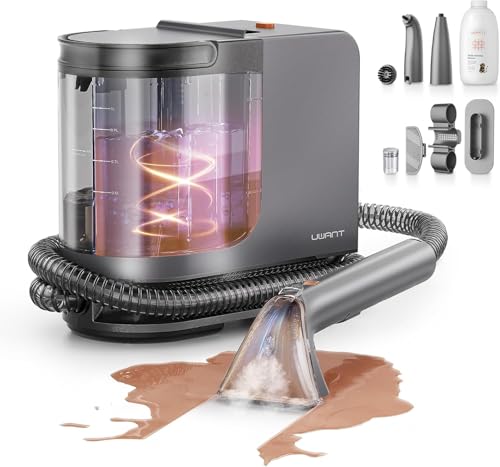
- Steam cleaner for upholstery with fabric attachment
- Handheld steam cleaner upholstery fabric car seats
- Professional upholstery steam cleaning kit with brush nozzle
- Clean microfiber cloths or absorbent towels
- Water (tap water is usually fine; use distilled water if your area has mineral buildup)
- Optional fabric-safe upholstery cleaner for tough stains


Before You Start
Check the fabric care label on your furniture. Some fabrics require only water steam, while others may need a mild cleaner. Always test a hidden area first to ensure no color bleed or texture change occurs. Prepare the area by removing cushions, tossing cushions aside, and protecting nearby surfaces with a drop cloth. Expect 20–60 minutes of setup and cleaning time per piece, depending on size and material. Safety cautions: never steam directly at electrical outlets, avoid steam on delicate leather, and keep the nozzle a few inches from the fabric to prevent scorching.
Step-By-Step: How To Clean Upholstery With A Steam Cleaner
- Fill the steam cleaner’s reservoir with water, following the manufacturer’s directions. If you’re using a cleaning solution, add it as recommended by the kit or label.
- Attach the appropriate fabric nozzle or brush attachment. A fabric attachment helps distribute steam evenly and prevents soaking.
- Test on an inconspicuous area of the upholstery to confirm colorfastness and fabric response. Wait a few minutes and inspect for changes.
- Pre-treat obvious stains with a small amount of fabric-safe cleaner or a gentle dish soap solution. Gently blot with a cloth, then proceed with steam.
- Begin steaming in small, straight lines, working in sections. Move the nozzle slowly to release steam and lift dirt without saturating the fabric.
- Work in overlapping passes to ensure even coverage. For stubborn spots, hover the nozzle slightly above the fabric and pulse the steam, then blot with a clean cloth.
- After steaming, use a clean, dry cloth to blot excess moisture. Repeat as needed until most moisture is absorbed.
- Allow the fabric to air dry completely before replacing cushions or using the furniture. Increase air circulation by opening windows or using a fan if available.
- For car seats or tight spaces, use a handheld steam cleaner with a flexible nozzle. Clean seams and crevices by angling the nozzle and making short passes.
- Vacuum the upholstery once dry to remove loosened dirt and fibers that released during steaming. This helps restore the fabric’s texture.
- Inspect for remaining stains. Repeat procedures on persistent marks using a targeted approach, or seek professional help if stains persist.
Troubleshooting
| Symptom | Likely Cause | Fix | Prevention |
|---|---|---|---|
| Fabric stays damp after steaming | Too much moisture or fabric sensitive to water | Increase ventilation, shorter passes, blot with towels | Test fabric first, use minimal steam |
| Color bleeding or fading | Unstable dye or improper testing | Stop and blot; rinse with clean water if possible | Test in hidden area; avoid harsh cleaners |
| Streaks or water spots | Uneven steam or excess moisture | Even passes, extra blotting, air-dry | Keep nozzle at consistent distance |
| Stubborn stain remains after steaming | Stain set or oil-based | Apply targeted cleaner before steaming; repeat | Address stains promptly |
Common Mistakes
- Over-saturating fabric with steam, leading to long drying times
- Using the wrong attachment on delicate fabrics
- Steaming leather or vinyl without proper guidance
- Skipping a test patch and discovering color bleed too late
- Neglecting thorough drying after steam cleaning
Tips For Best Results
- Work in a well-ventilated area to speed up drying
- Keep the steam nozzle in motion to avoid scorching or moisture buildup
- Use a microfiber cloth to absorb moisture and lift fibers gently
- For delicate fabrics, limit steam temperature and intensity
- Pair steam cleaning with regular vacuuming to maintain fabric cleanliness
Call A Professional
Consider professional upholstery cleaning if any of these apply: fabric is labeled as “dry clean only,” the piece is heavily soiled with oils or pet stains, or if stains persist after home steaming. Seek a licensed cleaner if furniture is antique, heavily fringed, or priced as delicate heirloom fabric. In cars, persistent stains on leather, suede, or heavily stained seats may require specialized equipment and safety procedures offered by professionals.
FAQ
Can I use a steam cleaner on all upholstery fabrics?
Most common fabrics tolerate steam, but always check the care label and test in a hidden area first.
Is steam cleaning safe for car seats?
Yes, especially with handheld units designed for automotive interiors, but avoid soaking cotton or fabric with heavy dye transfer.
How long does upholstery take to dry after steaming?
Drying times vary by fabric and environment, typically 1–6 hours; improve airflow to speed up drying.
Should I use cleaning solutions with steam?
Many fabrics respond well to mild cleaners; follow product instructions and test first to avoid discoloration.
What if stains reappear after drying?
Reapply steam and spot-clean with a gentle cleaner, then vacuum once fully dry.
Is professional steam cleaning better than DIY?
For stubborn stains, delicate fabrics, or high-value upholstery, professional service can offer deeper cleaning and protection.
Buying Guide
When choosing a steam cleaner for upholstery, consider the following factors:
- Size and weight: A compact, portable unit is easier for furniture and car seats, while larger models cover more area.
- Power and heat control: Look for adjustable steam settings to suit different fabrics and stains.
- Noise level: Quieter operation improves comfort, especially in homes with pets or children.
- Water type and additives: Some units require distilled water or compatible cleaning solutions; verify compatibility.
- Attachments: Fabric attachments, brushes, and crevice tools expand cleaning versatility.
- Energy and efficiency: Short heat-up times and efficient water use save time and effort.
- Placement and storage: Consider a model with a compact footprint and convenient cable management for easy storage.
- Maintenance: Look for easy-to-clean reservoirs and removable parts to extend the cleaner’s life.
For upholstery tasks, a model featuring a fabric attachment, a handheld option for car seats, and a brush nozzle for stubborn dirt tends to deliver the best results. Compare units by how quickly they heat, how long they hold steam, and how simple the accessories are to swap.
Leave a Reply