How to Clean an Upholstered Bed Frame Without Damaging It
Upholstered bed frames add style and comfort to bedrooms, but their fabric surfaces require careful cleaning to maintain appearance and longevity. This guide outlines a practical method that uses common tools and safe products to refresh a bed frame while minimizing moisture, staining, and fiber wear.
Quick Answer
Vacuum the frame with an upholstery attachment, spot-clean with a fabric-safe stain remover, and finish with a light steam refresh if fabric permits. Use a portable fabric steam cleaner for deeper cleansing, and always test a hidden area first.
What You’ll Need
- Vacuum cleaner with upholstery attachment and crevice tool
- Portable fabric steam cleaner for upholstery and bed frames
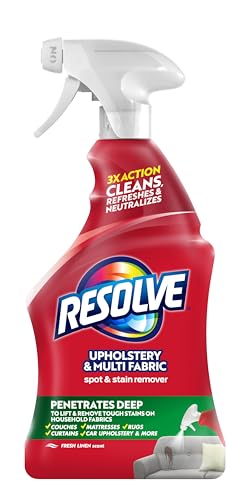
- Stain remover spray for fabric upholstery microfiber furniture 32oz


Before You Start
Begin with a quick surface inspection to identify loose buttons, seams, or sagging fabric. Protect surrounding furniture and flooring with a drop cloth or old sheet. Work in a well-ventilated area to reduce exposure to cleaning sprays. Set aside 20–40 minutes for initial cleaning, plus extra time for steamwork if you plan to use that method.
Important cautions: never soak fabric or allow water to pool on the frame, as this can cause warping or mold. Always perform a spot test in an inconspicuous spot before applying any cleaner broadly.
Step-By-Step: How To Clean An Upholstered Bed Frame
- Disconnect or move the bed if possible to access the entire frame without obstruction.
- Dry-dust the fabric surface using a soft brush or the vacuum’s upholstery tool to remove loose dirt and dust.
- Test a small hidden area with the stain remover spray to ensure colorfastness and fabric compatibility.
- Lightly spray the stain remover on stained or high-traffic areas; blot with a clean microfiber cloth rather than rubbing to prevent fiber damage.
- For persistent spots, apply a touch more stain remover and gently work in a circular motion from the outside edge toward the center, then blot again.
- Use the vacuum’s crevice tool along seams and stitching to extract embedded debris and dust from hard-to-reach areas.
- If fabric allows, use a portable fabric steam cleaner to lightly lift dirt. Follow manufacturer instructions and keep the nozzle at a safe distance to avoid over-wetting.
- Allow the frame to air dry completely before reassembling or placing heavy objects on the bed to prevent moisture buildup.
- Re-vacuum the entire surface after drying to remove any loosened fibers and remaining residues.
- Inspect for any remaining stains and repeat a targeted treatment if necessary, ensuring the fabric is fully dry before use.
- Reassemble the bed and return it to its original position, checking for taut fabric and even surface contact with the frame.
Troubleshooting
| Symptom | Likely Cause | Fix | Prevention |
|---|---|---|---|
| Stains reappear after cleaning | Stain remover not fully lifted | Repeat spot treatment and blot with a fresh cloth | Test spot first; address stains promptly |
| Fabric appears watermarked or stiff | Over-wetting or improper drying | Ventilate and allow thorough air-dry; re-vacuum lightly | Avoid soaking; use minimal spray |
| Fabrics bleach or fade | Harsh cleaners or direct sunlight | Cease aggressive cleaners; switch to gentler formulas | Shade the area during cleaning |
| Streaks after steam cleaning | Excess moisture | Wipe streaks with a clean microfiber and dry completely | Use lower steam settings and brief passes |
Common Mistakes
- Soaking fabric or frame with water-based cleaners
- Rubbing stains aggressively, which can fray fibers
- Skipping a test patch on a hidden area
- Neglecting to dry the fabric thoroughly before use
By avoiding these missteps, users preserve the bed frame’s appearance and structural integrity while keeping fabrics vibrant and clean.
Tips For Best Results
- Always work from top to bottom to prevent dirty runoff from landing on cleaned areas.
- Use a clean microfiber cloth for blotting to avoid re-depositing soils.
- For delicate fabrics, opt for low-moisture cleaning methods or professional-grade upholstery cleaners.
- Schedule routine, light cleanings quarterly to maintain fabric health and reduce deep-cleaning frequency.
Call A Professional
Call a professional if the fabric shows significant wear, if stains resist cleaning after multiple attempts, or if the frame is sagging or damaged. Seek expert help when there is mold growth, persistent odors, or unclear fabric type that may require specialized cleaning approaches.
FAQ
Can I use a steam cleaner on all upholstered bed frames?
Most fabrics tolerate light steam, but always test a hidden area first and follow fabric care labels.
How often should I clean an upholstered bed frame?
Light cleaning every 1–3 months helps maintain appearance; deeper cleans every 6–12 months may be needed for high-traffic rooms.
What should I do if a stain remover bleaches my fabric?
Stop using that product and switch to a milder, fabric-specific cleaner; test on a hidden area first.
Is it safe to use a vacuum on the seams?
Yes, use the upholstery attachment and the crevice tool to avoid fiber damage while removing dust from seams.
Buying Guide
Choosing the right tools and products for cleaning an upholstered bed frame involves assessing size, noise, efficiency, controls, and placement needs. A practical kit includes a vacuum cleaner with upholstery attachments, a portable fabric steam cleaner, and a fabric-safe stain remover. Consider the material of the bed frame—cotton and synthetic blends respond differently to steam and sprays. Look for a vacuum with strong suction at low noise to avoid disturbing sleep. For steam, select models offering adjustable heat and a dry-toweling setting to minimize moisture. When placing cleaners, choose a nearby workstation with good ventilation and protect surrounding furniture. A compact setup works well in bedrooms with limited space, while larger households may benefit from more versatile steam cleaners with larger water tanks. Finally, verify that cleaners have clear usage instructions and safety features to prevent accidental over-wetting and fabric damage. This combination supports effective cleaning while preserving the bed frame’s fabric integrity and appearance.
Leave a Reply