How to Clean Up Spilled Cooking Oil Safely and Quickly
Spilled cooking oil can create slippery floors and stubborn stains if not handled promptly. This guide provides practical steps for quick cleanup, safe disposal, and prevention to keep kitchens safe and tidy.
Quick Answer
Act fast: contain the spill with a towel or paper, blot rather than scrub to avoid spreading. Use an appropriate absorbent, then clean the area with a citrus degreaser spray designed for oil spills. Dry the surface thoroughly to prevent re-slipping.
What You’ll Need
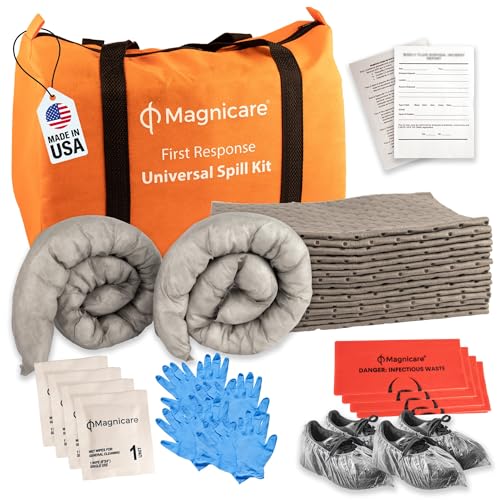
- Kitchen oil spill absorbent pads mat kit
- Oil spill cleanup kit kitchen absorbent socks
- Citrus degreaser spray kitchen degreaser for oil spills


Before You Start
Preparation reduces mess and risk. Place a barrier if the spill is near a doorway or high-traffic area. Ventilate the space, especially if using a solvent-based degreaser. Test any cleaner on a small, inconspicuous patch of flooring to ensure it does not discolor the surface. Time estimate: 5 to 15 minutes for a typical spill, longer for larger messes.
Cautions: never mix cleaners, which can release harmful fumes. Keep cleaners away from children and pets. If the spill is on a heated surface or drains toward a kitchen appliance, proceed with extra care to avoid burns or slick surfaces.
Step-By-Step: How To Clean Up Spilled Cooking Oil
- Contain the spill: use a paper towel or absorbent pad to surround the oil and prevent spreading to additional areas.
- Place absorbent products: lay down oil spill absorbent pads or socks directly on the liquid to soak it up.
- Blot, don’t rub: press gently to lift oil from the surface; rubbing can push oil deeper or spread it further.
- Apply citrus degreaser: spray a citrus degreaser spray over the remaining residue. Let it sit for 30–60 seconds to break down fats.
- Agitate lightly if needed: use a soft scrub pad or cloth to loosen stuck-on oil; avoid abrasive tools that scratch surfaces.
- Rinse and wipe: wipe away cleaner with a clean cloth or sponge. Rinse with water if the surface allows, then dry thoroughly.
- Reassess the area: check for shininess or stickiness. Repeat absorbent application and cleaning if necessary.
- Final dry and sanitize: dry with a clean towel and consider a light sanitize if the area touches food prep zones.
- Dispose of materials: seal used absorbents and cleaners in a bag and discard per local guidelines. Do not flush down drains unless the product directions permit it.
Troubleshooting
| Symptom | Likely Cause | Fix | Prevention |
|---|---|---|---|
| Sticky residue after cleaning | Oil trapped in porous flooring | Reapply absorbent and cleaner; repeat until residue disappears | Clean promptly; use absorbent pads immediately |
| Discoloration on surface | Cleaner or oil reacting with surface | Test cleaner first; use milder degreaser if needed | Spot-test cleaners; follow manufacturer guidance |
| Persistent odor | Leftover oil or cleaner residue | Re-clean area with degreaser and rinse well | Ventilate while cleaning |
| Slippery floor after cleanup | Remaining oil or wet surface | Dry thoroughly; use baking soda lightly to absorb | Address spills immediately |
Common Mistakes
- Waiting too long to act, allowing oil to spread
- Scrubbing aggressively, which spreads oil and damages surfaces
- Using incompatible cleaners that cause residues or fumes
- Not drying the area completely, increasing slip risk
Tips For Best Results
Choosing the right tools accelerates cleanup. Use oil spill absorbent pads or socks for rapid absorption, followed by a citrus degreaser to break down tough residues. For textured or porous floors, you may need multiple passes with fresh absorbents. Work from the edge of the spill toward the center to prevent spreading. Keeping a small kit handy under the sink ensures quick response any time cooking oil spills occur.
Call A Professional
Call a professional if the spill covers a large area, involves hot oil that can burn during cleaning, or if the surface shows persistent staining or adhesive residues after repeated attempts. Seek help if there are ongoing odors, or if the spill reaches carpet, upholstery, or hard-to-clean substrates that require specialized equipment.
FAQ
What is the fastest way to stop a cooking oil spill from spreading?
Contain it with towels or absorbent pads and work from the outside edge toward the center.
Can I flush used absorbents down the drain?
Only if the product instructions explicitly permit it; otherwise, seal and dispose with household waste according to local guidelines.
Is citrus degreaser safe on all kitchen surfaces?
Test on a small area first; use milder cleaners on delicate surfaces to prevent damage.
How can I prevent future oil spills?
Use a splatter screen when frying, monitor oil temperatures, and keep absorbent materials nearby for quick cleanup.
Buying Guide
When selecting oil spill cleanup tools, consider size, absorption speed, and surface compatibility. Large spills benefit from quick-absorption pads and socks, while smaller drips are easily handled with citrus degreasers. Noise level and energy efficiency are less relevant for manual cleanup tools, but choose compact kits that fit your kitchen layout. Look for items that are clearly labeled for food-safe environments and approved for kitchen use. Placement matters: store kits within easy reach of the stove and sink for fast response. Compare products by absorption capacity, refilling options, and whether the kit includes a citrus degreaser spray designed for oil spills.
Leave a Reply