How to Clean Up Olive Oil Spills on Floors
Olive oil spills can create slippery hazards and stubborn stains on various floor surfaces. Prompt action paired with the right tools helps prevent staining and residue buildup. This guide provides practical steps for American homes to clean up olive oil spills efficiently and safely.
Quick Answer
Act quickly: blot or scoop excess oil, apply a degreasing cleaner, and use an absorbent product to lift the oil. Finish with a microfiber mop to remove any remaining residue and wipe dry. For persistent spots, repeat as needed and consider a dedicated oil spill cleanup kit for floors for repeat incidents.
What You’ll Need
Before you begin, gather the following supplies. The list prioritizes items that specifically address oil spills and floor cleaning.
- Oil spill cleanup kit for floors
- Grease absorbing pads for floor spills
- Microfiber mop and degreaser kit for kitchen floor
- Paper towels or rags
- Warm water and a mild degreasing cleaner
- Non-slip gloves for hand protection
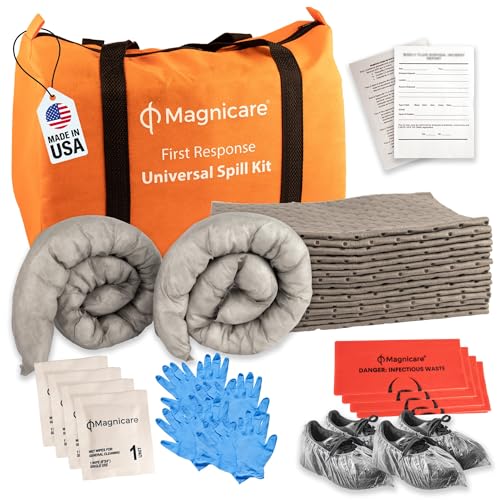


Before You Start
Prepare the area by removing furniture or lowering traffic near the spill. Wear gloves to protect skin and prevent slipping. Test any cleaner on a small, inconspicuous spot to ensure it won’t damage the floor finish. Time estimates vary: small spills take 15–20 minutes, while larger spills may require 30–45 minutes or more. Do not rush cleanup on wood floors, as excessive moisture can warp the finish.
Step-By-Step: How To Clean Olive Oil Off Floors
- Contain the spill by surrounding it with paper towels or absorbent pads to prevent spreading.
- Gently blot the oil with absorbent material, avoiding rubbing which can push oil deeper into the surface.
- Apply a small amount of degreaSing cleaner or warm soapy water to break the oil film; let it sit for a minute.
- Use a microfiber mop or soft scrub pad to work the cleaner into the spill, focusing on a circular motion to lift the oil.
- Wipe up the solution with clean towels, then rinse the area with clean water to remove any detergent residue.
- Sprinkle grease absorbing pads for floor spills or additional absorbent material over any remaining damp areas.
- Let the absorbent sit for several minutes, then sweep or vacuum up the pad material.
- Proceed with a second pass using the microfiber mop and degreaser kit for kitchen floor to ensure a thorough clean.
- Dry the area with a dry cloth or towels and ensure the surface is completely dry before allowing foot traffic.
- For stubborn residuals, repeat cleaning steps or consider a second application of degreaser and a fresh mop.
- Dispose of used absorbent materials according to local guidelines and wash reusable mop heads after use.
Troubleshooting
| Symptom | Likely Cause | Fix | Prevention |
|---|---|---|---|
| Stain remains after cleaning | Oil seeped into porous flooring | Reapply degreaser and use fresh absorbent pads; repeat until removed | Address spills promptly; seal porous floors if applicable |
| Slippery residue | Detergent or leftover oil | Rinse area thoroughly with clean water and dry completely | Rinse after every cleaning cycle |
| Discoloration on wood floor | Excess moisture or cleaner damage | Dry immediately and use a wood-safe cleaner | Test cleaners in a hidden area first |
| Persistent odor | Oil absorbed into porous surface | Use odor-neutralizing cleaner and ventilate | Clean spills promptly to minimize odor |
Common Mistakes
- Rubbing oil into the floor instead of blotting and lifting it.
- Using excessive water on wood or laminate floors.
- Waiting too long to start cleanup, allowing the oil to penetrate.
- Mixing cleaners without testing first, which can damage finishes.
Tips For Best Results
- Always blot first, never rub, to minimize spread.
- Work from the edge of the spill toward the center to contain it.
- Keep a small supply of grease absorbing pads on hand for quick responses.
- For kitchen floors with grout lines, give extra attention to joints where oil can settle.
- Use a dedicated mop and degreaser kit to simplify repeat cleanups and maintain consistency.
Call A Professional
Contact a professional if the spill involves large areas, porous materials, or stubborn stains that don’t respond to standard cleaning. Stop signs include: persistent oily patches after repeated attempts, new discoloration, and any signs of water damage after cleaning. When in doubt, seek a flooring specialist or cleaning service with experience in oil spills.
FAQ
Can olive oil spills be cleaned with plain water?
Water helps rinse, but it won’t lift oil alone; use a degreasing cleaner in conjunction with absorbent material for best results.
Is it safe to use heat to remove oil on floors?
Heat can set stains on certain surfaces. Use cool or lukewarm water and follow with a degreaser, unless the floor manufacturer recommends otherwise.
What if the spill is on a stone or tile floor?
Use a mild degreasing cleaner suitable for stone and a microfiber mop; avoid acidic cleaners that can etch stone surfaces.
How long does it take to fully clean up a spill?
Small spills may take 15–20 minutes; larger spills could require 30–45 minutes or more depending on the surface and absorption.
Buying Guide
Choosing the right products to handle olive oil spills on floors involves several factors. Consider size and scope of typical spills, floor type, noise considerations, energy efficiency of cleaning tools, and placement. Here’s how to compare options and pick gear that fits common American homes.
- Size and capacity: For frequent spills, a larger oil spill cleanup kit for floors reduces restocking frequency; smaller kits are sufficient for occasional mishaps.
- Absorbent strength: Grease absorbing pads vary in absorption and thickness. Thicker pads hold more oil and resist tearing during use.
- Cleaning power: Microfiber mops paired with a degreaser kit deliver effective scrubbing while protecting floor finishes. Look for machine-washable mop heads for cost efficiency.
- Floor compatibility: Ensure cleaners and pads are suitable for your floor type (tile, vinyl, laminate, stone, or wood).
- noise and ease of use: Manual mops are quiet and simple; powered or self-wringing models may save time but add cost.
- Placement and accessibility: Store cleaning kits in accessible locations like under sinks or utility rooms to enable quick response.
Leave a Reply