How to Clean Up Drywall Dust
Drywall dust is notorious for lingering in air and on surfaces long after sanding. A careful, multi-step approach helps protect indoor air quality and keeps finishes clean. This guide explains practical methods, choosing the right tools, and best practices for effective cleanup in American homes.
Quick Answer
Set up a containment zone, vacuum with a HEPA-filtered shop vac, sweep or mop with microfiber tools, and finish with a damp cloth to trap fine particles. Work in stages—from larger debris to fine dust—and seal off the area when you’re done to prevent re-entrainment.
What You’ll Need
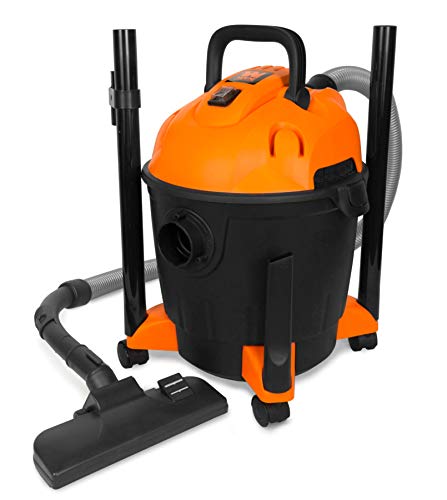
- HEPA shop vac drywall dust 5 gallon vacuum
- Drywall sanding pole with built-in dust collection
- Microfiber dust mop for drywall dust cleanup


Before You Start
Prepare the workspace by closing doors to the room and laying drop cloths or plastic sheeting to catch debris. Wear a dust mask rated for fine particles and safety goggles. Ventilate when possible, but avoid pushing dust into other rooms. Plan a workflow that moves from the center of the room outward to minimize re-scattering. Time estimates vary, but a typical cleanup can take 1–3 hours depending on room size and dust level. Critical cautions: never use a non-HEPA vacuum on drywall dust, as this can recirculate fine particles; always seal containers and dispose of waste according to local regulations.
Step-By-Step: How To Clean Up Drywall Dust
- Close off the work area and lay protective coverings on floors and vents to capture falling dust.
- Seal the sanding area with plastic sheeting to prevent dust from spreading to adjacent rooms.
- Beat or vacuum visible debris from larger surfaces using the HEPA shop vac drywall dust 5 gallon vacuum to minimize airborne particles.
- Use the drywall sanding pole with built-in dust collection to remove dust from walls and ceilings while keeping most particles contained at the source.
- Vacuum high-traffic surfaces, paying attention to corner bases, crown moldings, and outlets with brushes designed for drywall dust.
- Dust mop floors with the microfiber dust mop for drywall dust cleanup to lift settles rather than push them around, then vacuum again if needed.
- Wipe hard surfaces with a slightly damp microfiber cloth, working from top to bottom, to trap fine particles that the vacuum misses.
- Inspect for any remaining streaks or spots and repeat vacuuming or mopping as needed before reassembling furniture and removing coverings.
Troubleshooting
| Symptom | Likely Cause | Fix | Prevention |
|---|---|---|---|
| Dust lingers in air after cleaning | Inadequate ventilation or poor containment | Improve containment and run HVAC with high-quality filtration | Seal off area, use HEPA tools, and minimize air exchanges during cleanup |
| Dust on high surfaces appears after cleaning | Re-entrainment from adjacent rooms | Keep doors closed and use plastic sheeting to block airflow | Work methodically from center outward |
| Vacuum loses suction | Full or clogged filter | Clean or replace HEPA filter and empty canister | Regular maintenance between projects |
| Cloth leaves fibers behind | Low-quality microfiber or dampness level | Use fresh microfiber and lightly dampen, not soak | Test in a small area first |
Common Mistakes
- Relying on dry sweeping alone—dust becomes airborne and resettles.
- Using a standard shop vac without a HEPA filter on drywall dust.
- Skipping containment and ventilation steps, causing wider spread of dust.
- Over-wetting surfaces, which can smear dust or damage adhesives.
Tips For Best Results
- Work in short, focused passes to prevent dust from piling up in air currents.
- Keep a dedicated microfiber cloth and mop for drywall work to avoid cross-contamination.
- Run cleaning tools in a pattern that minimizes backtracking through cleaned areas.
- Label and store used rags and filters in sealed bags to prevent dust release during transport.
Call A Professional
Consider a pro if the project involves extensive sanding, high ceilings, or compromised HVAC systems. Stop and call a professional if you notice persistent breathing discomfort, signs of mold, or if dust appears behind finished surfaces, which may indicate hidden issues. Seek help for complex containment or when upgrading filtration systems in multi-room homes.
FAQ
What is the best vacuum for drywall dust?
A HEPA-filtered shop vac or central vacuum designed for fine dust is recommended to capture drywall particles effectively.
Can I use a regular broom to clean drywall dust?
Brooms can spread dust into the air; use a microfiber mop or a vacuum with HEPA filtration for best results.
How should I dispose of drywall dust?
Check local regulations, but typically sealed bags placed in the trash are acceptable; avoid flushing dust down drains.
Is it safe to clean drywall dust with water?
Lightly dampening surfaces is safe, but avoid soaking areas as excess moisture can damage materials and promote mold if not dried properly.
Buying Guide
Choosing the right cleanup tools for drywall dust depends on room size, dust levels, and ventilation. Consider the following factors to make an informed purchase:
- Size and capacity: A 5-gallon shop vac provides portable power with ample capacity for small to mid-size rooms without frequent dumping.
- Filtration: A true HEPA filter captures 99.97% of particles 0.3 microns and larger, reducing indoor dust significantly.
- Dust collection tooling: A drywall sanding pole with built-in dust collection keeps particulates near the work surface and away from the air.
- Surface cleaning: Microfiber dust mops trap fine dust without pushing it around; choose textured or plush heads for better pickup.
- Noise level: Look for quieter models with good motor efficiency to reduce fatigue during cleanup.
- Mobility and storage: Lightweight tools with easy storage help maintain a clean workshop or home workspace.
- Compatibility: Ensure tools work with common drywall sanding systems and standard extension poles for flexibility.
- Placement and workflow: Plan tool placement to minimize movement and re-entrainment across rooms.
Comparing options across these factors helps match a setup to room size, dust burden, and homeowner preferences. For many projects, starting with a HEPA shop vac, a built-in-dust collection sanding pole, and a microfiber mop offers a balanced, efficient cleanup workflow.
Leave a Reply