How to Clean Up Cement Dust Safely and Effectively
Cement dust is a common byproduct of construction and home improvement projects. When handled properly, it can be cleaned without compromising health or leaving residue behind. This guide outlines practical steps, recommended tools, and safety practices to manage cement dust in homes, garages, and workshops.
Below you will find a concise plan that prioritizes effective removal, protects airways, and reduces fallout on nearby surfaces. The approach blends simple cleaning techniques with purpose-built tools designed for concrete dust cleanup.
Quick Answer
Best immediate approach: seal off the area if possible, use a HEPA-filtered shop vac for concrete dust cleanup, damp-wipe large surfaces with a microfiber mop for cement dust cleaning, and wear an N95 respirator mask for concrete dust to protect breathing.
What You’ll Need
- HEPA filtered shop vac for concrete dust cleanup
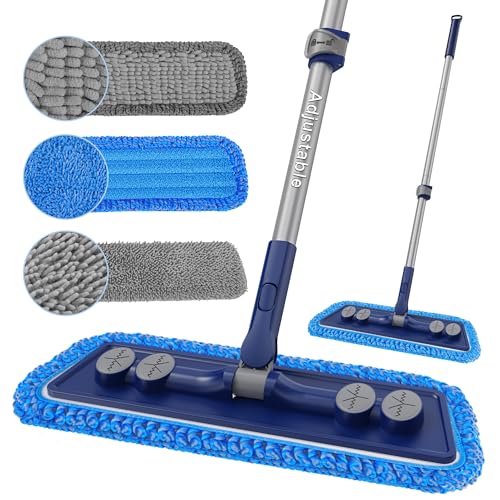
- Microfiber mop for cement dust cleaning
- N95 respirator mask for concrete dust
- Disposable dust masks or safety goggles as needed
- Damp cloths or microfiber cloths for final wipe-down


Before You Start
Prepare the workspace by sealing off doors and vents to prevent dust from migrating to other rooms. Place plastic sheeting or drop cloths to protect floors and furniture. Vacuum loose dust first to reduce airborne particles, then dampen surfaces for easier pickup. Protect your lungs with a properly fitted N95 respirator, especially in enclosed or poorly ventilated areas. Plan for a time range of 1–4 hours, depending on space size and the amount of dust.
Step-By-Step: How To Clean Up Cement Dust
- Turn off all fans and HVAC equipment that could circulate dust beyond the work area.
- Ventilate the space by opening windows or using a temporary exhaust fan if available.
- Reconnect the HEPA filtered shop vac for concrete dust cleanup and ensure the filter is properly installed.
- Vacuum all concrete surfaces, starting from higher shelves and ledges down to the floor to capture settled dust.
- Use a damp microfiber mop to wipe walls, baseboards, and other vertical surfaces to lift remaining fine dust.
- Dust horizontal surfaces with a microfiber cloth slightly moistened with water or a mild cleaner, then dry with a clean cloth.
- Inspect the area for stubborn dust on corners; repeat damp wiping if necessary for a thorough clean.
- Remove and seal the vacuum bag or canister immediately after use and dispose of dust bags according to local guidelines.
- Clean tools and brushes outside or in a designated cleaning area to prevent re-dusting other spaces.
- Do a final check with the door closed to ensure no lingering air currents stir fine particles.
- Replace air filters in the space if they exist and resume normal activity when the area is fully dry and dust-free.
Troubleshooting
| Symptom | Likely Cause | Fix | Prevention |
|---|---|---|---|
| Dust escapes into adjacent rooms | Ventilation or gaps | Seal area; use exhaust fan outlet | Create a plastic containment barrier |
| Dust sticks to surfaces after cleaning | Dry dust or absence of damp wiping | Re-wet microfiber mop and wipe again | Work in small sections, maintain moisture |
| Shop vac loses suction | Clogged filter or bag | Check and replace filter/bag; empty canister | Use vacuum regularly during cleanup |
| Breathing discomfort while cleaning | Insufficient protection | Ensure Properly fitted N95 respirator | Keep respirator on during all dusty steps |
Common Mistakes
- Using a dry mop on fine cement dust, which resuspends particles
- Forgetting to seal off the work area from other living spaces
- Skipping the HEPA filtration step, leading to poor air quality
- Not replacing or cleaning filters on the shop vac promptly
- Wiping surfaces with dry cloths, which spreads dust
Tips For Best Results
- Always wear an N95 respirator during cleaning and for any sanding or grinding tasks nearby.
- Dust collects on top of cabinets and ledges; clean those areas early to prevent redistribution.
- Work in the lowest-dust method first—vacuum, then damp wipe, then dry wipe if needed.
- Keep a dedicated microfiber mop for cement dust cleaning to avoid cross-contamination with clean spaces.
- Label and store cleaning tools after use to avoid spreading dust to other rooms.
Call A Professional
Consult a professional if cement dust coverage is extensive, if dust has infiltrated HVAC ductwork, or if occupants have respiratory sensitivities or asthma. Signs to seek help include persistent coughing, eye irritation, or a strong, dusty odor that returns after cleaning. If the space involves structural work or unknown material, a pro can assess health and safety needs.
FAQ
What is the best tool for cement dust cleanup?
The best tool is a HEPA filtered shop vac designed for concrete dust cleanup, used with a proper filter and sealed canister.
Can I clean cement dust with water?
Yes, damp wiping with a microfiber cloth or mop helps capture fine dust without dispersal; avoid soaking surfaces that may warp or damage materials.
Do I need a respirator for this job?
Yes, an N95 respirator mask for concrete dust is recommended, especially in enclosed spaces or when sanding is involved.
How long does it take to clean up cement dust?
Time varies with area size and dust amount; small rooms may take under an hour, while larger spaces can take several hours with thorough cleaning.
Is HEPA filtration necessary for a shop vac?
Using a HEPA-filtered shop vac is strongly advised to trap fine particles and protect air quality during cleanup.
Buying Guide
When selecting tools for cement dust cleanup, consider size, noise, energy use, and placement options. A compact HEPA-filtered shop vac is ideal for tight spaces; for larger workshops, a higher-capacity model with durable filtration reduces run time. A microfiber mop provides efficient surface pickup without dispersing dust, and an N95 respirator offers dependable protection for most dust levels. Look for adjustable filtration efficiency, easy-to-clean filters, and a comfortable fit. Think about storage: store tools together in a clean, dry area to prevent cross-dusting between projects. Would you benefit from a dedicated cleaning kit that consolidates these items?
Leave a Reply