How to Clean Up Acorns in Yard
Acorns can accumulate quickly under trees, creating slippery surfaces and attracting wildlife. A practical cleanup routine helps keep your lawn safe and aesthetically pleasing. The following guide outlines a straightforward approach using common lawn tools and a few specialized devices to speed up the process.
Quick Answer
For quick acorn cleanup, gather a sturdy rake to collect large clumps, then use a leaf blower vacuum to dispose of smaller debris. Finishing with a leaf bag or mulching vacuum helps reduce waste and mulch your yard at the same time.
What You’ll Need
The following tools are recommended for efficient acorn cleanup. If you own any of these, you can streamline the job across different yard sizes and tree cover.
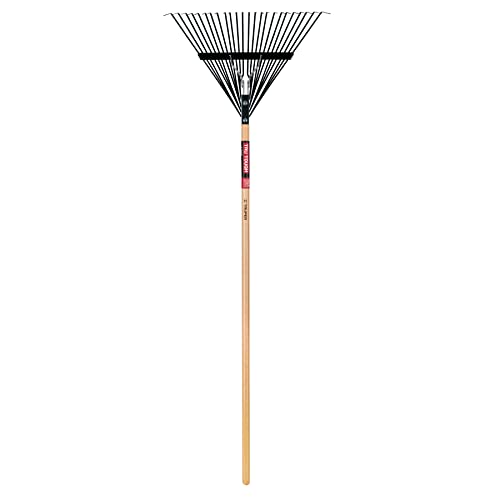
- Steel garden rake 24 inch with heavy-duty tines for acorn cleanup
- Cordless leaf blower vacuum mulcher 3-in-1 for yard debris including acorns
- Garden leaf bag and mulching vacuum kit for acorn cleanup


Before You Start
Prepare the area by removing vehicles or fragile garden ornaments and ensuring children and pets stay clear. Wear sturdy gloves to protect hands from sharp acorn caps and twigs. Check weather conditions; dry days reduce clumping and improve debris flow. Time estimates vary by tree density: expect 20–60 minutes for a typical residential yard, longer for large properties with dense canopy. Safety first: never operate power tools near wet grass, and follow all manufacturer safety instructions for your equipment.
Step-By-Step: How To Clean Up Acorns In Yard
- Start with a steel garden rake 24 inch with heavy-duty tines to loosen and gather acorns from the turf where they are spread unevenly.
- Rake into small piles near the edge of driveways or walkways to minimize cross-traffic and reduce the need to double-back.
- Use a cordless leaf blower vacuum mulcher 3-in-1 to pick up remaining acorns and lighter debris from hard-to-reach spots like under shrubs.
- Switch to the vacuum’s mulching mode to compact debris, which increases bagging efficiency and reduces bag weight.
- Pour the collected material into garden leaf bag and mulching vacuum kit for acorn cleanup bags, tying them securely when full.
- Move to perimeter areas and repeat the process, watching for stray acorns near fences and garden beds.
- Dispose of filled bags according to local yard waste guidelines, or compost if allowed and the acorns are from untreated sources.
- Inspect the yard for missed pockets and re-run the vacuum or rake as needed to prevent slippery patches.
- Clean and store tools after use, clearing any sap or soil from tines and blades to extend their life.
- Assess tree drop patterns for future seasons and consider a routine weekly sweep during peak shedding times.
- If heavy acorn fall coincides with leaf drop, combine raking with leaf blower vacuum to maintain momentum and reduce workload.
- Finally, re-check sidewalks and driveways to ensure no acorn caps create tripping hazards for family members and guests.
Troubleshooting
| Symptom | Likely Cause | Fix | Prevention |
|---|---|---|---|
| Vacuum loses suction | Clogged nozzle or bag full | Empty bag and clear nozzle; inspect impeller | Regular maintenance during cleanup season |
| Rake tines bend or break | Rocks or dense clumps | Use lighter raking technique and remove hard objects | Rake in layers to avoid heavy clumps |
| Acorns scatter while raking | Overly fast strokes or uneven ground | Slow, deliberate strokes; adjust footing | Plan routes to minimize re-sweeping |
| Leaves stick to bag | Heavy moisture or sticky sap | Dry bags between uses; use a bag with good venting | Dry weather days for cleanup |
Common Mistakes
- Ignoring damp days; moisture makes acorns and leaves cling to surfaces and bags
- Raking too aggressively, which can damage turf and injure knees
- Overfilling bags; heavy bags are harder to carry and may tear
- Forgetting to store tools properly, leading to rust or damage
Tips For Best Results
- Work in sections: focus on one area at a time to keep momentum and track progress.
- Combine tools: use the rake for bulk collection and the vacuum for fine debris and tiny acorns.
- Choose dry days; dry acorns are easier to collect and less likely to roll under objects.
- Edge your cleanup with a final pass along lawn edges and under trees.
- Keep a spare bag or two ready for quick swaps when bags fill up.
Call A Professional
Call a professional if acorn shedding is persistent across multiple seasons, or if your yard is large and dense with trees. Seek expert help for large-scale leaf and debris management plans, or if you suspect fungal growth, pest issues, or unsafe yard conditions beyond routine cleanup.
FAQ
What time of year should I start acorn cleanup?
Begin when trees are actively dropping nuts, typically in late summer to autumn, and continue through peak shedding days.
Is it necessary to mulch acorns before disposing them?
Mulching reduces waste volume and recycles nutrients, but it’s optional if bags or composting are preferred.
Can I compost acorns with shells on?
Yes, shells decompose, but kernels may be consumed by wildlife; ensure composting conditions support breakdown.
Should I wear eye protection?
Yes, eye protection helps shield against flying debris during raking and vacuuming.
What if I have many oak trees and dense acorn fall?
Increase cleanup frequency and consider renting or purchasing higher-capacity equipment to maintain efficiency.
Buying Guide
Choosing the right tools for acorn cleanup depends on yard size, tree density, and personal preferences. Key factors include size and reach, noise level, energy efficiency, controls, and placement strategy.
- <bSize and reach: A 24-inch rake helps cover ground quickly, while longer handles reduce bending. For large properties, consider tools with adjustable handles.
- <bNoise level: Cordless models generally operate quieter than gas-powered machines, which is preferable for close neighbors.
- <bEnergy efficiency: Battery-powered tools provide mobility without cords but check runtime per charge for your cleanup window.
- <bControls: Simple on/off controls and ergonomic grips reduce fatigue during extended sessions.
- <bPlacement and storage: Plan storage near the cleanup zone and choose lightweight tools that are easy to maneuver in tight spaces.
When comparing options, think about how the tools will be used together. A sturdy rake is essential for initial collection, while a 3-in-1 cordless blower vacuum can handle residual debris and mulch the material for easy bagging. If space is tight or you prefer minimal equipment, a combined leaf bag and mulching vacuum kit offers a compact, all-in-one solution.
Leave a Reply