How to Clean Up a Palm Tree
Quick Answer
Begin by assessing the palm’s frond condition and height, then use a telescoping pruning saw for dead fronds, bypass pruning shears for tight cuts, and a heavy-duty garden rake to collect debris. Work from the trunk outward, cut at a slight angle, and dispose of debris promptly to prevent pests and disease.
What You’ll Need
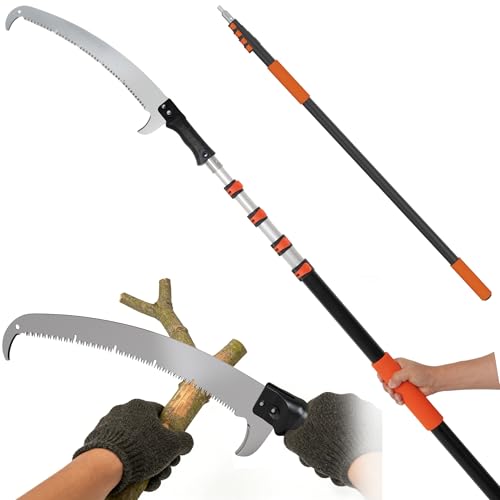
- Palm tree pruning saw with telescoping pole
- Bypass pruning shears for palm fronds
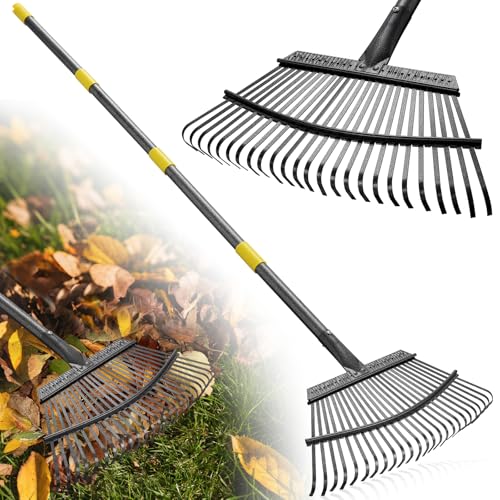
- Garden rake heavy-duty for palm frond cleanup

Before You Start
Safety comes first. Wear a hard hat, eye protection, gloves, and sturdy boots. If the tree is tall, avoid climbing; use a stable ladder or pole pruner. Check local regulations for palm waste disposal and trimming height limits. Tie back nearby branches to prevent accidental snags, and clear the work area of people and pets. Time estimates vary: light cleanup may take 30–60 minutes, while a full trim on a tall tree could require several hours over multiple days.
Caution: Do not remove healthy green fronds unless they impede light or pose a hazard. Avoid cutting into the trunk or leaving stubs, which can invite disease and pests.
Step-By-Step: How To Clean Up A Palm Tree
- Inspect the palm to identify dead, damaged, or brown fronds and any fruiting structures or seed pods that require removal.
- Stand on solid ground and test your equipment. Extend the palm tree pruning saw with telescoping pole to reach higher fronds without climbing.
- Begin at the outer edges of the crown and work downward in sections, cutting back fronds at the base of the stalk with a slight angle away from the trunk.
- For stubborn or thicker fronds, switch to the bypass pruning shears for palm fronds to make clean, cleanly-angled cuts near the petiole.
- Carefully lower removed fronds to the ground, using the garden rake heavy-duty for palm frond cleanup to gather them into piles for easy disposal or composting.
- Check for any signs of trunk damage or pests after trimming; remove any residual dead tissue with the pruning saw or shears as needed.
- Repeat the process around the crown until the tree looks balanced and clear of loose debris.
- Clean and store tools safely after use, and promptly bag and dispose of yard waste according to local guidelines.
- Inspect the surrounding area for leftover sharp fronds or spines to prevent injuries to people or pets.
- Monitor the tree in the following weeks for new frond growth and address any regrowth that appears diseased or dead.
- Offer ongoing maintenance by repeating seasonal trims to maintain a healthy, balanced crown.
- Document the procedure with photos to track changes and plan future cleanups.
Troubleshooting
| Symptom | Likely Cause | Fix | Prevention |
|---|---|---|---|
| Fronds resist cutting | Thick, mature fronds or dull blades | Sharpen blades; use leverage and proper cutting angle | Regular maintenance trimming to prevent heavy buildup |
| Stump or petiole tears | Cutting too close to trunk | Leave a small collar of tissue and angle away from trunk | Inspect cuts and adjust technique |
| Debris falls onto bystanders | Uncontrolled trimming area | Clear area, use rope or tarps to guide debris | Set a safe perimeter before starting |
| Persistent pests after cleanup | Wounds attracting insects or fungi | Apply appropriate recommended treatments and monitor | Maintain tree health with regular care |
Common Mistakes
- Cutting too close to the trunk or leaving stubs
- Using a dull blade that causes ragged cuts
- Climbing the tree without proper fall protection
- Disregarding local disposal rules or seasonal restrictions
- Ignoring safety gear or ignoring nearby people and pets
Tips For Best Results
- Plan a route around the crown to maintain balance and symmetry.
- Work in dry, calm conditions to reduce slipping and control debris.
- Sharpen blades before the project; a clean cut heals faster and reduces disease risk.
- Store gear in a dry place after use to prevent rust or corrosion.
- Distribute yard waste according to local guidelines to support recycling where available.
Call A Professional
Consider a pro if the palm is heavily diseased, leaning, or taller than a standard ladder reach. Stop work and call a professional if you notice a crack in the trunk, large wounds, or signs of severe pest infestation. If the tree is part of a shared property or near utilities or structures, professional trimming is advisable to avoid property damage or injury.
FAQ
How often should I prune a healthy palm tree?
Pruning healthy palms typically involves removing dead or damaged fronds and waste on an as-needed basis, often every 6–12 months depending on growth and climate.
Can I prune a palm from the ground with a pole saw?
Yes, a palm tree pruning saw with telescoping pole is designed for above-ground trimming without climbing.
Is it safe to prune palm fruit or seed pods?
Pruning fruiting structures is generally unnecessary unless they pose a hazard; consult local guidelines and a pro if unsure.
What disposal options are best for palm fronds?
Check local yard waste programs; many municipalities accept palm fronds for composting or green waste recycling.
What if I see signs of disease after pruning?
Isolate the tree area, avoid spreading debris, and contact a certified arborist for diagnosis and treatment recommendations.
Should I water the palm after trimming?
Watering should follow existing care routines; avoid overwatering right after pruning to prevent root stress.
Buying Guide
Choosing the right tools for palm cleanup depends on tree height, frond thickness, and the workspace. Consider the following factors to make an informed purchase:
- <bSize and reach: A palm tree pruning saw with telescoping pole should extend to your typical trimming height without climbing. Look for adjustable length and lightweight construction for ease of use.
- <bCut quality: Bypass pruning shears for palm fronds provide clean cuts and reduce tissue damage. Ensure comfortable grips and blade sharpness for repeated use.
- <bDurability: A garden rake heavy-duty for palm frond cleanup should withstand rough yard debris and offer a secure grip. Stainless or powder-coated options resist rust in humid climates.
- <bSafety features: Look for ergonomic handles, non-slip grips, and soft straps for extended sessions. Consider a pole saw with a locking mechanism to prevent accidental collapses.
- <bMaintenance: Choose tools with accessible blades, rust-resistant materials, and compatibility with standard replacements or sharpening kits.
- <bBudget and availability: Compare mid-range options that balance durability and price, and verify local availability for parts and service.
- <bWarranty: A reasonable warranty protects against manufacturing defects and provides peace of mind for frequent palm care tasks.
- <bPlacement and storage: Ensure tools fit your storage space and can be organized with holders or shelves near your cleanup area.
With the right kit, palm cleanup becomes safer and more efficient. Consider your typical pruning height, the daily weather pattern, and whether you prefer manual or assisted tools. A well-chosen set of tools supports regular maintenance, reduces risk, and helps palms stay healthy and balanced for seasons to come.
Leave a Reply