How to Clean Unfinished Wood Floors
Unfinished or unsealed wood floors require gentle care to avoid damaging the surface while removing dirt, dust, and grime. This guide outlines practical steps, safe cleaners, and smart tools to keep bare wood floors looking their best without adding moisture or dulling the finish. Readers will learn a simple routine that respects the wood’s porosity and preserves its natural appearance.
Quick Answer
Use a neutral pH wood floor cleaner for unsealed surfaces and a clean microfiber dust mop to remove dust, followed by a damp—never soaking—wipe with a soft cloth. For tougher spots, apply a small amount of mineral spirits cleaner for unfinished wood floors to a lint-free cloth and test on a hidden area first. Avoid wet mopping, vinegar, ammonia, or harsh degreasers on unfinished wood.
What You’ll Need
- Mineral spirits cleaner for unfinished wood floors
- Neutral pH wood floor cleaner for unsealed floors
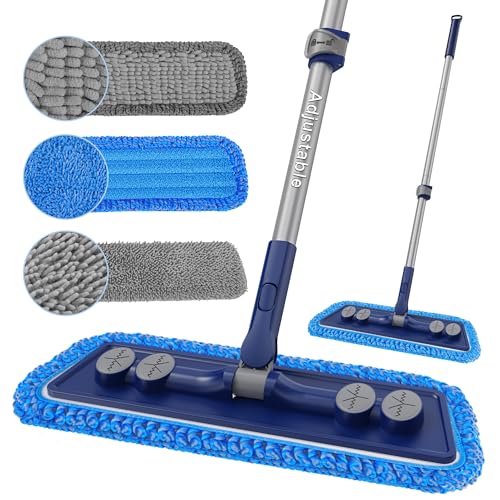
- Microfiber dust mop for bare wood floors
- Soft, lint-free cloths
- Wide, closed-mouth bucket or spray bottle
- Quiet vacuum with a soft brush attachment (optional)


Before You Start
Before beginning, identify areas with deep dirt or sticky residues and plan to address them separately. Keep surface moisture very low to prevent wood warping. Test any cleaner in an inconspicuous corner to ensure it doesn’t darken or streak the wood. Protect pets and children from fumes and slips by opening windows and using minimal liquid.
Estimated prep and cleaning time: 20–40 minutes for a standard room, depending on soil level.
Step-By-Step: How To Clean Unfinished Wood Floors
- Remove loose debris with a dry microfiber dust mop, moving in the direction of the grain.
- Vacuum with a soft attachment to pick up dust that the mop can’t reach, especially along baseboards.
- Lightly dampen a microfiber cloth or mop head with neutral pH wood floor cleaner for unsealed floors; wring well to avoid excess moisture.
- Gently wipe small sections at a time, following the grain, and avoid soaking the wood.
- For stubborn spots, apply a tiny amount of mineral spirits cleaner for unfinished wood floors to a cloth and rub in a circular motion; wipe away residue with a clean cloth.
- Rinse the cloth often to prevent re-depositing dirt and repeat until all areas are clean.
- Allow areas to air-dry completely before walking on them, then return furniture to its place slowly to avoid scuffing.
- Apply a brief, periodic dusting routine to prevent buildup and keep the surface looking natural.
Troubleshooting
| Symptom | Likely Cause | Fix | Prevention |
|---|---|---|---|
| Sticky residue after cleaning | Overuse of cleaner or insufficient wiping | Wipe with a clean, barely damp cloth until residue is removed | Use only small amounts and wring thoroughly |
| Discoloration or darkening | Moisture exposure or harsh cleaner | Switch to neutral pH cleaner and ensure surfaces are nearly dry | Avoid soaking; wipe dry promptly |
| Rings or watermark marks | Subsurface moisture intrusion | Dry thoroughly and use minimal moisture in future | Ventilate and control humidity |
| Streaks after cleaning | Uneven application | Re-apply cleaner evenly in small sections | Keep a consistent technique |
Common Mistakes To Avoid
- Using water-heavy mopping on unfinished wood floors
- Applying harsh detergents, ammonia, or vinegar-based cleaners
- Letting moisture pool near edges or seams
- Skipping a test patch before whole-room cleaning
- Forgetting to dry the surface after cleaning, leading to warping
Keeping the wood dry and clean helps maintain its natural look and structural integrity over time.
Tips For Best Results
- Dust daily with a microfiber mop to reduce cleaning frequency and moisture exposure.
- Use clean, lint-free cloths to avoid introducing fibers into the wood.
- Schedule periodic, light cleanses rather than heavy, frequent scrubs.
- Store cleaning solutions in labeled containers and keep them out of reach of children and pets.
Call A Professional
Consult a flooring professional if unfinished wood floors show signs of severe staining, deep cracking, cupping, warping, or if spills have penetrated long enough to affect the wood’s underside. Seek immediate help for large water leaks, persistent odors, or significant structural damage.
FAQ
Can I use water to clean unfinished wood floors?
Rely on minimal moisture with neutral pH cleaners and avoid soaking the floor. Water can cause swelling and warping of unfinished wood.
Is mineral spirits safe on all unfinished floors?
Test a small area first; mineral spirits can help with tough spots, but improper use may darken or dry out wood.
How often should I clean unfinished wood floors?
Light dusting or dry mopping daily, with a damp wipe as needed—typically weekly for moderate traffic.
What should I avoid applying to bare wood floors?
Avoid wax-based sealants, oil soaps, or high-acid cleaners, which can alter the wood’s texture and appearance.
Buying Guide
When choosing products for unfinished wood floors, consider size and coverage, scent and fumes, and the wood’s porosity. Look for cleaners labeled for unsealed or unfinished surfaces, and confirm compatibility with your floor type. A microfiber dust mop is essential for daily dust control, while a neutral pH cleaner protects the wood without harsh chemicals. For spot treatment, choose a mild solvent like mineral spirits cleaner for unfinished wood floors and test first. Placement matters: keep cleaning supplies away from heat sources and out of reach of children. Finally, consider energy efficiency in how you approach routine cleaning—short, targeted sessions are typically more effective and gentler on wood than long, frequent washings.
Leave a Reply