How to Clean Umbrella Fabric Effectively
Cleaning umbrella fabric keeps outdoor spaces looking fresh and extends the life of your patio setup. The process is simple when you have the right tools and steps. This guide outlines practical methods to remove stains, dirt, and mildew while protecting fabric integrity.
Quick Answer
Use a soft-bristled brush, a mild outdoor fabric cleaner spray, and microfiber cloths to scrub and blot stains. Rinse thoroughly and air dry away from direct heat. For stubborn spots, repeat with a gentle spray, then blot to lift residue.
What You’ll Need
- Patio umbrella cleaning brush nylon bristle scrub brush
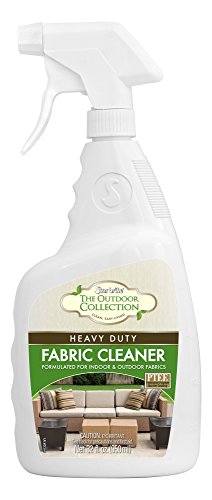
- Outdoor fabric cleaner spray for umbrellas stain remover 12oz
- Microfiber cleaning cloth for outdoor umbrella fabric


Before You Start
Before you begin, check the care label on the umbrella fabric for any manufacturer-specific instructions. Move the umbrella to a shaded area and protect surrounding surfaces from cleaner runoff. Test a hidden spot first to ensure the cleaner does not cause discoloration. Plan for 20–40 minutes for a typical clean, depending on the fabric condition. Avoid using bleach or solvents that can degrade the fabric. If mildew is present, consider a targeted spray and a longer soak time for tough spots, but always rinse thoroughly to prevent residue buildup.
Step-By-Step: How To Clean Umbrella Fabric
- Dry brush the surface — Use the patio umbrella cleaning brush nylon bristle scrub brush to remove loose dirt and dust from the fabric.
- Prepare a cleaning solution — Lightly spray the outdoor fabric cleaner spray for umbrellas stain remover 12oz on a small area or mix according to label directions in a spray bottle for broader coverage.
- Spot treat stains — Apply cleaner to stubborn spots and let it sit for 3–5 minutes before scrubbing to loosen grime.
- Scrub in gentle motions — Work in sections, using circular motions with the nylon brush. Avoid harsh scrubbing that could wear threads.
- Rinse thoroughly — Use a low-pressure hose or a damp microfiber cleaning cloth to rinse away soap and residue. Ensure all cleaner is removed to prevent streaks.
- Blot and dry — Use microfiber cleaning cloth for outdoor umbrella fabric to blot excess moisture, then air dry in a shaded area with good ventilation. Do not machine-dry or use heat.
- Repeat if necessary — For persistent marks, repeat the spot treatment and gentle scrubbing, followed by a thorough rinse.
- Final check — Inspect the fabric for any remaining staining and ensure it is completely dry before closing or storing the umbrella.
- Maintenance tips — Periodic light cleaning can prevent buildup and mildew; consider a routine spray and quick wipe after heavy use or after rain exposure.
- Storage note — Ensure the fabric is completely dry before storage to prevent mold growth.
- Safety reminder — Wear gloves if you have sensitive skin and work in a well-ventilated area when applying cleaners.
Troubleshooting
| Symptom | Likely Cause | Fix | Prevention |
|---|---|---|---|
| Stains persist after cleaning | Stubborn residue or deep-set stains | Reapply cleaner and scrub with microfiber cloth; rinse thoroughly | Address stains early; treat spots promptly |
| Fabric appears stiff after drying | Residual cleaner or mineral deposits | Rinse more thoroughly; wipe with damp cloth and air dry fully | Rinse until no suds remain |
| Discoloration after cleaning | Bleach or harsh chemicals used, or dye bleeding | Stop using offending product and test future cleaners on hidden area | Use only recommended outdoor fabric cleaners |
| Mildew forms after storage | Fabric wasn’t completely dry before storing | Re-clean, ensure complete dry before storage | Dry thoroughly in shade, store with good airflow |
Common Mistakes
- Using bleach or solvent-based cleaners on synthetic fabrics
- Scrubbing too aggressively with hard brushes that fray threads
- Rinsing with high-pressure water that drives cleaner into seams
- Ignoring hidden stains that set into the fabric
Sticking to gentle techniques and proper rinsing helps preserve color and fabric integrity over time.
Tips For Best Results
- Test cleaners on a hidden area first to confirm colorfastness
- Work in shade to prevent rapid drying that can leave streaks
- Follow the product label for dilution and contact time
- Use microfiber cloths for efficient blotting and lint-free drying
- Consider routine light cleanings after heavy use or storms
Call A Professional
Consider professional help if the fabric shows extensive fading, fiber damage, or mildew that returns after cleaning. If the umbrella fabric is old or delicate, or if you notice color bleed after cleaning, consult a fabric care specialist or the manufacturer’s service line for guidance.
FAQ
Can I use bleach on outdoor umbrella fabric?
Avoid bleach, as it can damage the fabric and fade colors. Use a mild outdoor fabric cleaner instead.
How long does it take to dry after cleaning?
Drying usually takes several hours in moderate weather. Avoid direct sun to prevent fading.
Should I clean the fabric while it’s still attached to the frame?
Yes, but keep water away from the frame joints to prevent rust or damage. Clean in sections if needed.
Can mildew be removed completely?
Many mildew stains can be removed with repeated gentle cleaning and thorough drying. If mildew persists, professional treatment may be required.
How often should I clean the umbrella fabric?
Clean at least once per season, or more often if the umbrella is used in dusty or humid environments.
Is it safe to spray cleaners directly on fabric?
Yes, when using a dedicated outdoor fabric cleaner and following the label directions. Test first on a small area.
Buying Guide
When choosing products for umbrella fabric cleaning, consider size and accessibility of spray bottles, the fabric type, and your cleaning goals. Look for products that are specifically formulated for outdoor fabrics and safe for dyed materials. A dedicated nylon-bristle brush helps lift dirt without abrasion, while microfiber cloths efficiently lift moisture and residue without leaving lint. For best results, select a mild, ready-to-use outdoor fabric cleaner that targets stains without harsh chemicals. Consider the frequency of use and climate in your area to determine how strong a cleaner should be and how often you’ll clean. Finally, ensure the cleaning tools are easy to store with your outdoor gear and weather-resistant for long-term use.
Leave a Reply