How to Clean Tumbled Marble Safely and Effectively
Cleaning tumbled marble requires a careful approach to preserve its natural beauty and finish. This guide outlines practical steps, suitable products, and common pitfalls to avoid so you can keep surfaces looking pristine without etching or dulling the stone.
Quick Answer
Use a pH-neutral cleaner designed for marble, rinse thoroughly, and seal after cleaning. For tough spots, employ a marble polishing pad kit 3 inch to restore shine, then re-seal with a penetrating marble sealer for natural stone for ongoing protection.
What You’ll Need
- tumbled marble cleaner spray
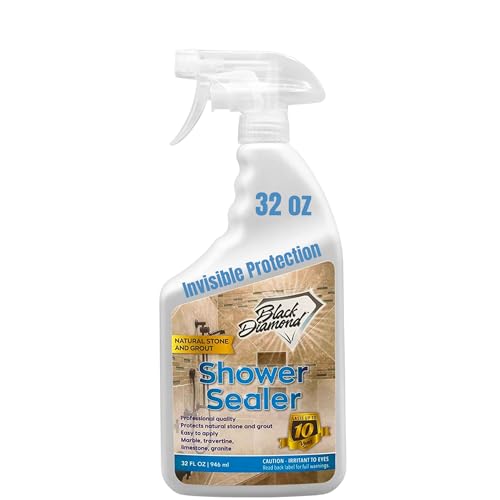
- marble sealer penetrating sealer for natural stone
- marble polishing pad kit 3 inch
- soft microfiber cloths
- spray bottle
- lukewarm water


Before You Start
Ensure the area is clear of loose objects and that the marble surface is free from standing water. Work in a well-ventilated space and wear protective gloves to minimize skin contact. Photo or surface tests in an inconspicuous area are recommended to confirm colorfastness. Typical cleaning time ranges from 15 to 30 minutes for a standard countertop or floor section, depending on the area size and stain intensity. Important cautions: avoid acidic or abrasive cleaners, and never use vinegar, lemon juice, or bleach on marble as these can etch the surface.
Step-By-Step: How To Clean Tumbled Marble
- Remove loose debris using a dry microfiber cloth to prevent scratching during cleaning.
- Mix a small amount of tumbled marble cleaner spray in a spray bottle with lukewarm water per label directions.
- Lightly mist the surface and let the cleaner sit for 1–2 minutes to loosen grime, then wipe with a clean microfiber cloth.
- For stubborn spots, apply a bit more cleaner directly and gently scrub with a marble polishing pad kit 3 inch using circular motions.
- Rinse the area with clean water and wipe dry with a fresh microfiber cloth to remove any residue.
- Inspect for dull patches; if needed, repeat the cleaning step once more on the affected area.
- Allow the surface to air-dry completely before applying a penetrating marble sealer for natural stone.
- Apply the sealer evenly according to the product instructions, usually a thin, uniform coat, and let cure as directed.
- Wipe away any excess sealer, then buff with a soft cloth to restore shine.
- Place protective mats or coasters in high-traffic areas to reduce future stains and wear.
- Schedule routine maintenance cleaning every few months and reseal when the surface begins to absorb water more quickly.
- Document the cleaning routine in your maintenance notebook to track when resealing is due.
Troubleshooting
| Symptom | Likely Cause | Fix | Prevention |
|---|---|---|---|
| Streaks or uneven sheen | Residue from cleaner or sealer | Wipe with a clean damp cloth, then buff with microfiber | Rinse thoroughly; use minimal cleaner |
| Dull patches after cleaning | Improper rinsing or buildup | Rinse and dry; reapply polishing pad if needed | Follow label directions precisely |
| Stains that won’t lift | Oil or organic stain penetrate | Apply a marble-safe poultice or repeat gentle cleaning | Address spills promptly |
| Color change after sealing | Over-application or incompatible sealer | Wipe off excess with a clean cloth and re-evaluate sealer choice | Test on inconspicuous area first |
Common Mistakes
- Using acidic cleaners like vinegar or lemon juice on marble.
- Over-wetting the surface, which can cause water spots and seepage.
- Skipping a sealer or using an inappropriate sealer for natural stone.
- Aggressive scrubbing that can scratch the marble’s surface.
Be mindful of these missteps to preserve the marble’s natural finish and longevity.
Tips For Best Results
- Always test cleaners and sealers in a small, inconspicuous area before full application.
- Use a dedicated, soft microfiber cloth for marble cleaning to avoid scratching.
- Seal high-traffic or stone-rich areas more frequently, typically every 6–12 months depending on use.
- Wipe spills immediately, especially oil-based stains, to reduce absorption.
- Maintain a gentle cleaning schedule to prevent the buildup of grime and etching risk.
When To Call A Professional
Seek professional help if marble shows deep etching, persistent stains that resist standard cleaning, large damaged areas, or if you are unsure about the correct sealer choice. Also consult a professional for intricate repairs such as crack repair or significant color alteration.
FAQ
Is a marble cleaner spray safe for tumbled marble?
Yes, a pH-neutral marble cleaner spray is typically safe for tumbled marble and helps prevent etching when used as directed.
How often should I seal tumbled marble?
Sealing frequency depends on traffic and use, but most surfaces benefit from resealing every 6–12 months after cleaning and polishing.
Can I use a scrub brush on marble?
Avoid stiff brushes; use soft pads and gentle motions to prevent scratching.
What should I do about water rings or dull patches?
Rinse thoroughly, dry completely, and consider reapplying a marble polishing pad or sealer if the finish remains dull.
Are there any surfaces to avoid when cleaning marble?
Avoid acidic, abrasive, or solvent-based cleaners that can damage the surface.
Can I polish dull spots myself?
Yes, a marble polishing pad kit 3 inch can help restore shine on small dull patches when used according to instructions.
What maintenance steps help prolong marble life?
Regular cleaning with a marble-safe product, prompt spill cleanup, and periodic sealing are key practices.
Buying Guide
Choosing products for cleaning and protecting tumbled marble involves evaluating several factors. First, consider the surface type and sealer compatibility with natural stone. The primary buying factors include the availability of a pH-neutral marble cleaner spray, a penetrating marble sealer for natural stone, and a marble polishing pad kit 3 inch for maintenance. Pay attention to the size of the area to determine how much product is needed and whether a multi-pack of pads or cleaners offers better value. Noise level and energy efficiency are less relevant for cleaning products but may matter for powered polishing equipment used occasionally.
When comparing products, look for clear labeling that indicates marble-safe formulations, ease of use, and curing times. A penetrating sealer should provide water-repellent, breathable protection without altering the marble’s appearance. For pads, choose microfiber-backed kits that provide consistent polishing without leaving scratches. Consider storage space, setup time, and whether the products come with usage instructions or warranty coverage. Finally, assess the availability of replacement parts and whether the brand provides guidance on maintenance intervals and re-sealing schedules.
Leave a Reply