How to Clean Tilt-in Windows Efficiently
Cleaning tilt-in windows can be safer and easier with the right approach. This guide covers practical steps to remove dust, grime, and fingerprints from tilt-in sash windows commonly found in homes across the United States. By using purpose-built tools and a simple technique, homeowners can achieve sparkling glass without struggling with heavy ladders or awkward scrubbing.
With the right tools and a steady routine, you can cut cleaning time and reduce streaks. The following sections break down the process from preparation to finishing touches, including safety tips and common issues to avoid.
Quick Answer
Best approach: Use a tilt-in window cleaning kit with a microfiber cloth and a squeegee on an extension pole to reach both sides of the glass without removing the sash. Clean in a top-to-bottom, straight-line pattern, then dry with a clean cloth to prevent streaks.
What You’ll Need
- Tilt-in window cleaning kit squeegee
- Microfiber cloths or towels
- Extension pole window squeegee for tilt-in windows
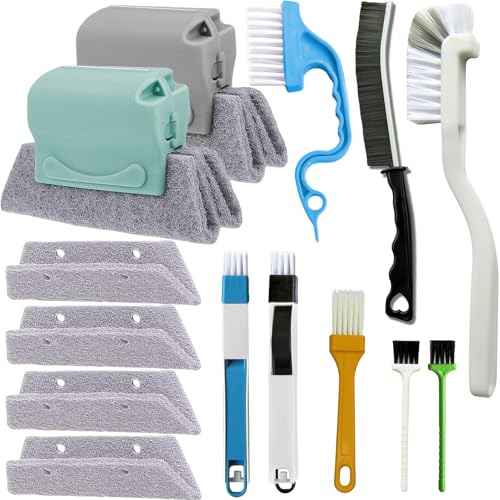
- Vinyl tilt sash window cleaning tool kit


Before You Start
Before beginning, ensure the window is fully closed and the sash is operable. Remove any heavy screens if they obstruct access. Protect flooring with a drop cloth or old towels. Prepare a spray bottle with a mild cleaning solution (e.g., water with a small amount of dish soap). Never spray cleaning solutions directly onto the hardware or rollers. Allow the windows to dry completely to prevent new streaks. Time estimate: 20–40 minutes per room, depending on window size and number of panes.
Step-By-Step: How To Clean Tilt-In Windows
- Open the tilt-in sash completely and tilt it inward to access both sides of the glass.
- Mist a microfiber cloth or a damp sponge with the cleaning solution, then wipe the interior surface in a top-to-bottom motion.
- Use the extension pole squeegee to pull a thin, even stroke from top to bottom, removing soap and dirty water.
- Wipe the edge and corners with a clean, dry microfiber cloth to absorb remaining moisture.
- Repeat the process on the exterior side if accessible, using the same technique.
- Switch to a dry microfiber cloth to buff the glass and remove any remaining streaks.
- Clean the sash tracks with a microfiber cloth or a small brush to remove dust, then wipe clean with a damp cloth.
- Rinse the cloth frequently and replace the cleaning solution if it becomes heavily soiled.
- Close the sash and test the operation to ensure smooth movement after cleaning.
Troubleshooting
| Symptom | Likely Cause | Fix | Prevention |
|---|---|---|---|
| Streaks on glass | Soap residue or dry cloth | Buff with a dry microfiber cloth | Rinse cloth frequently; wipe in consistent motions |
| Water dripping after cleaning | Excess solution | Use a lighter spray and squeeze squeegee firmly | Work in sections, dry each section promptly |
| Stuck tilt sash | Foreign debris in tracks | Clean tracks with a dry brush or cloth | Regular maintenance to prevent buildup |
| Poor reach on tall windows | Lack of extension length | Attach a longer extension pole | Choose tools designed for tilt-in windows |
Common Mistakes
- Using abrasive cleaners or scrubbers that scratch glass
- Not drying promptly, leading to mineral streaks
- Spraying directly onto hardware or frame components
- Forgetting to clean the sash tracks, causing buildup and sticking
Tips For Best Results
- Work in daylight or under bright lighting to better spot streaks.
- Use a two-cloth method: one for cleaning solution, one for drying/buffing.
- Invest in a quality extension pole to reach high or wide panes without leaning ladders.
- Keep corners and edges clean by using a corner-shaped microfiber tool or a small brush.
Call A Professional
Consider calling a professional if a sash is painted shut, the frame is damaged, or glass panes are cracked. Also seek help if the tilt mechanism is misaligned or if extensive mold or grime has built up along the tracks. If safety is a concern due to ladder use or height, a pro is the safer option.
FAQ
Can I use any window cleaning solution on tilt-in windows?
Use a mild solution or water with a small amount of dish soap; avoid harsh chemicals that can damage seals or frames.
Do I need special tools for vinyl tilt sash windows?
Yes, a vinyl tilt sash window cleaning tool kit and a compatible extension pole make it easier to reach and clean without removing the sash.
How often should tilt-in windows be cleaned?
Clean interior surfaces every 2–4 weeks, and exterior surfaces as weather and access allow, typically every 1–3 months.
What if the sash won’t tilt or unlocks during cleaning?
Do not force the mechanism. Stop cleaning, consult manufacturer instructions, or contact a professional if the sash shows signs of damage.
Is it safe to use paper towels on glass?
Paper towels can leave lint; microfiber cloths are preferred for streak-free results.
Should I clean windows on cloudy days?
Cloudy days reduce glare and help you see streaks, making it easier to achieve a clean finish.
Can I clean windows with the glass still in the frame?
Yes. Tilt-in windows are designed for cleaning without removing the sash, using the right tools to reach both sides.
Buying Guide
Choosing the right tilt-in window cleaning setup involves considering size, noise, energy efficiency, controls, and placement. The following factors help buyers compare products and select a kit that fits their needs.
- <bSize and reach: For large or multi-story homes, an extension pole with a long reach helps minimize ladders and reduces risk.
- <bNoise level: Some sash cleaning tools operate quietly; look for ergonomic, low-vibration designs to avoid fatigue during longer sessions.
- <bEnergy efficiency: While not a direct factor, well-maintained glass panes benefit from clear cleaning, which reduces glare and improves overall comfort.
- <bControls and ergonomics: Choose kits with comfortable handles, easy-squeeze triggers, and compatible squeegees for tilt-in designs.
- <bPlacement and versatility: A kit that covers interior and exterior cleaning, plus track maintenance, offers better value and fewer purchases.
- <bMaterial quality: Microfiber cloths, stainless-steel extensions, and sturdy squeegees resist wear and deliver longer service life.
- <bMaintenance requirements: Look for washable cloths and readily replaceable blades or rubbers; check for included cleaning solutions or compatibility.
- <bBudget and longevity: Invest in a complete kit if it includes a microfiber cloth set and an extension pole; this reduces additional purchases over time.
Readers may ask which combination best suits tilt-in windows: a tilt-in window cleaning kit squeegee paired with a extension pole window squeegee for tilt-in windows and a vinyl tilt sash window cleaning tool kit. This trio covers interior, exterior, and track cleaning, with minimal strain and optimal results. Ready to upgrade your window cleaning routine?
Leave a Reply