How to Clean Throw Pillows No Zipper
Throw pillows without zippers can be refreshed effectively with common household methods and a few targeted tools. This guide explains practical steps to remove stains, odors, and everyday grime while preserving fabric quality and color. By following a safe, repeatable routine, you can extend the life of cushions and keep living spaces inviting.
Quick Answer
Start with a light surface clean using a handheld upholstery cleaner with nozzle for throw pillows to lift debris. For deeper refreshment, use a portable fabric steamer for cushions and throw pillows to relax fibers and remove wrinkles. Finish with a stain remover spray for fabric cushions and pillow covers for spot treatment, then air dry completely before use.
What You’ll Need
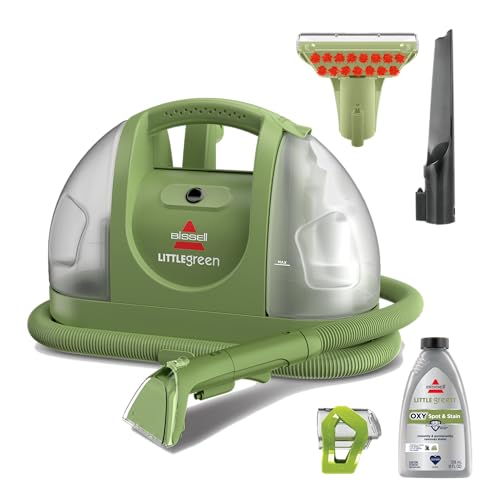
- Handheld upholstery cleaner with nozzle for throw pillows
- Portable fabric steamer for cushions and throw pillows
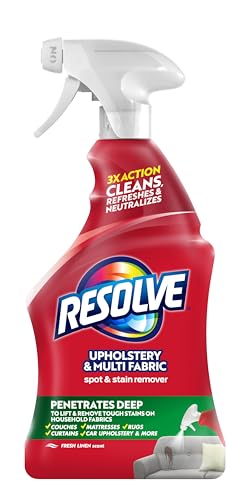
- Stain remover spray for fabric cushions and pillow covers
- Clean white towels or microfiber cloths
- Water source and a shallow basin or spray bottle

Before You Start
Check fabric care labels on the throw pillows, if present, to avoid heat or moisture beyond recommended limits. Protect surrounding surfaces with a drop cloth or old towels. Work in a well-ventilated area and allow plenty of drying time. Important: do not over-wet fabrics; excess moisture can lead to mold or unpleasant odors.
Estimate total time: 30–90 minutes depending on pillow size and soil level. For delicate fabrics, test cleaning products on a hidden edge first to ensure colorfastness.
Step-By-Step: How To Clean Throw Pillows No Zipper
- Prep the pillows: Remove loose dust with a dry brush or vacuum using a brush attachment. This prevents embedding dirt deeper into the fabric.
- Spot test: Apply a small amount of stain remover spray for fabric cushions and pillow covers to a hidden seam or corner. Wait 5–10 minutes and blot with a clean cloth to check for color change.
- Surface cleaning: Use a handheld upholstery cleaner with nozzle for throw pillows. Work in gentle, even strokes, focusing on stained areas and edges. Avoid saturating the fabric; aim for damp, not soaked.
- Steaming: Hold a portable fabric steamer for cushions and throw pillows a few inches away from the surface. Move slowly to relax fibers and remove surface wrinkles without over-wetting. Let treated areas air dry briefly between passes.
- Stain treatment: For persistent spots, re-apply stain remover spray to the affected area. Gently blot with a clean cloth, working from the outside in to prevent spreading the stain.
- Rinse and blot: If the cleaner leaves residue, lightly mist a small amount of clean water and blot with a fresh cloth to remove suds. Avoid leaving pools of moisture on the pillow.
- Drying: Place pillows on a flat surface or hang to air dry completely. If possible, position a fan to improve airflow. Do not reuse pillows until fully dry to prevent mildew.
- Deodorizing (optional): Lightly mist with a fabric-safe deodorizer or spraying solution and allow to dry to refresh the scent.
- Storage and return: Once completely dry, re-fluff the pillows and place back on the furniture or couch to regain their shape.
Troubleshooting
| Symptom | Likely Cause | Fix | Prevention |
|---|---|---|---|
| Stains reappearing after drying | Residual moisture or improper rinsing | Rinse lightly with clean water and blot thoroughly before air drying | Do not saturate; blot until fabric is just damp |
| Fabric shrinks or stiffness after cleaning | Excessive heat or over-wetting | Use lower heat if steaming; avoid direct high heat | Test first; use minimal moisture |
| Color fading or spots | Harsh chemicals or improper dye compatibility | Switch to color-safe stain remover and test | Always spot-test on inconspicuous area |
| Odor persists | Inadequate drying or trapped moisture | Increase airflow; extend drying time | Ensure pillows are completely dry before use |
Common Mistakes
- Over-wetting the fabric, which can lead to mold or smells
- Using heat on delicate materials that can shrink or damage fibers
- Skipping a spot test, risking color bleed or damage
- Neglecting thorough drying, which invites mildew
Tips For Best Results
- Regular light cleaning prevents heavy staining and maintains fabric brightness.
- Use the stain remover spray promptly on new spills to improve removal chances.
- Keep a small cleaning kit handy for quick refreshes between deep cleans.
- Rotate pillows seasonally to even wear and maintain shape.
Call A Professional
Seek professional cleaning if pillows have delicate fabrics (such as silk blends), embedded odors that persist after cleaning, or if the fabric is peeling or fraying. Do not attempt aggressive solvent-based cleaners without guidance, as these can damage materials and void care labels.
FAQ
Can I clean throw pillows without a zipper at home?
Yes. Use a handheld upholstery cleaner, a portable fabric steamer, and a stain remover spray to refresh fabrics without removing covers.
Is it safe to steam clean cushions and pillow covers?
Yes, when used at a gentle distance and with a low-heat setting, steaming can relax fibers without soaking the fabric.
How long does it take for cleaned pillows to dry?
Drying times vary by fabric and environment but typically range from 2 to 6 hours; ensure complete dryness before use.
What if stains return after washing?
Respot with stain remover and refresh with a light steaming pass after drying to release any set-in residues.
Should I wash the inserts and covers separately?
If care labels permit, wash covers separately and air dry; inserts may require spot cleaning or dry cleaning depending on material.
Are there fabrics that cannot be cleaned safely?
Yes. Delicate silk, suede, or specialty fabrics may require professional cleaning or specific care methods per label instructions.
Buying Guide
When choosing cleaning tools for throw pillows no zipper, consider size, noise level, energy efficiency, controls, and placement. A compact handheld upholstery cleaner is ideal for light to moderate soils and tight spaces, while a portable fabric steamer provides gentle refreshment without soaking. Look for models with adjustable steam or suction settings to tailor to fabric types, and ensure compatibility with common pillow fabrics like cotton, polyester, and microfiber. For spot treatment, a dedicated stain remover spray designed for upholstery helps tackle spills without staining surrounding areas. Place cleaning gear where you commonly lounge to encourage routine maintenance, and store tools in a dry area to prevent mold growth. Balancing power, portability, and fabric safety will yield the best long-term results for maintaining clean, inviting throw pillows.
Leave a Reply