How to Clean the Air in Your Home
Cleaner indoor air supports healthier breathing, reduces irritants, and improves overall comfort. This guide explains practical steps to improve air quality in typical American homes using common devices and best practices. By combining targeted filtration with smart habits, you can reduce dust, odors, smoke, and allergens effectively.
Readers will find a clear plan that covers selecting the right equipment, safe setup, step-by-step actions, troubleshooting, and maintenance routines. The focus is on actionable methods that work in rooms of varying sizes and layouts.
Quick Answer
- Choose a room-appropriate purifier to capture dust, pollen, and smoke particles
- Use a device with true HEPA filtration and optional activated carbon for odors
- Consider UV-C or multi-stage filtration for extra protection in areas with allergies or pets
- Position the purifier away from walls and doors for optimal airflow
- Run the purifier continuously, with regular filter checks and replacements
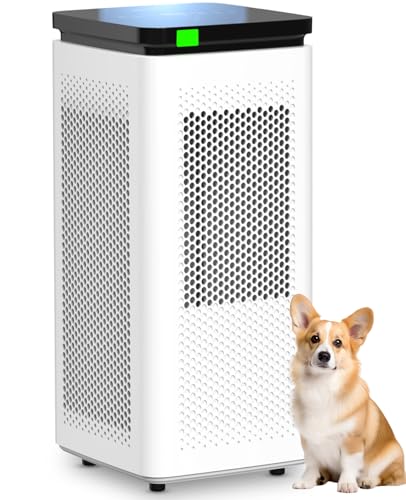


What You’ll Need
- True HEPA air purifier for large room with activated carbon filter 400 sq ft
- HEPA H13 air purifier for smoke and odors with carbon filter 200 sq ft
- Room air purifier with UV-C light and 3-stage filtration for allergies 250-300 sq ft
Before You Start
Before operating any air purifier, verify manufacturer guidelines for electrical use and maintenance. Never block inlet or outlet grills and keep units on stable surfaces away from water sources. If there are strong odors or smoke, ventilate by opening windows briefly and using exhaust fans. Estimate setup time at about 15–30 minutes for initial placement and setup.
Surface preparation matters: dust and wipe nearby surfaces to prevent immediate recontamination. Consider measuring room dimensions to match the purifier’s effective coverage, ensuring the chosen model can handle the space.
Step-By-Step: How To Clean The Air In Your Home
- Assess room size and choose a purifier that matches the square footage and typical air changes per hour (ACH).
- Place the unit in a central location with at least 1–2 feet of clearance on all sides for proper airflow.
- Set the purifier to a high or auto mode during periods of heavy activity, such as cooking or cleaning.
- Run the purifier continuously for steady air filtration, then adjust to lower settings when needed to save energy.
- Check and replace pre-filters and main filters according to the manufacturer’s schedule; replace filters when the indicator shows.
- Combine filtration with ventilation: open windows briefly to exchange air on milder days and use exhaust fans while cooking.
- Keep humidity in a comfortable range (roughly 30–50%) to reduce mold and dust mite growth.
- Clean the purifier’s exterior monthly and remove dust from intake grilles with a soft cloth.
- If using models with UV-C, monitor for any unusual warm surfaces and follow safety guidelines provided by the manufacturer.
- Test the air with simple indicators like odor reduction and visible dust levels to gauge effectiveness over time.
- Document maintenance dates and plan regular reviews of room performance and purifier placement.
- Replace carbon filters periodically if you notice persistent odors or reduced effectiveness.
Troubleshooting
| Symptom | Likely Cause | Fix | Prevention |
|---|---|---|---|
| purifier not turning on | Power supply issue or blown fuse | Check outlet, try another device, inspect power cord | Use a surge-protected outlet |
| Weak airflow or noise | Clogged filter or blocked intake | Replace filters and clear surrounding items | Schedule regular filter changes |
| Persistent odors | Insufficient carbon filtration or hidden source | Replace carbon filter; identify odor source and clean | Maintain carbon filters and ventilate rooms |
| Alarm or indicator flashes | Filter life exhausted or sensor issue | Replace filter or consult manufacturer | Follow maintenance calendar |
| Humidity spikes or mold signs | Inadequate ventilation | Increase ventilation and use dehumidifier if needed | Monitor humidity levels |
Common Mistakes
- Running a purifier in a closed closet or blocked corner
- Forgetting to replace carbon filters when odors persist
- Choosing an undersized unit for the room
- Neglecting regular exterior cleaning, allowing dust to recirculate
- Relying on a single purifier when multiple rooms are affected
Regular maintenance and correct placement are essential for sustained performance. Clear airflow and timely filter changes prevent buildup and keep air clean.
Tips For Best Results
- Match purifier capacity to room size: larger rooms benefit from higher CADR ratings and multi-stage filtration.
- Use a model with activated carbon for odors and smoke alongside true HEPA filtration.
- Rotate purifiers between high-traffic areas to optimize whole-home air quality.
- Pair filtration with routine cleaning, such as dusting surfaces and washing textiles.
- Keep doors closed to prevent air from bypassing the purifier and reduce leakage.
Call A Professional
Consider a professional if you notice persistent indoor air concerns despite using purifiers, or if you suspect structural issues like mold growth behind walls. Seek help for electrical safety checks or if you plan to install built-in air purification systems.
FAQ
What size room should I use for each purifier?
Choose a purifier matched to the room’s square footage and target air changes per hour to maintain clean air efficiently.
How often should filters be replaced?
Follow the manufacturer’s schedule; indicators and usage patterns influence replacement timing.
Can purifiers remove all odors?
Purifiers with activated carbon filters can reduce many odors, but sources should also be addressed directly for best results.
Is UV-C filtration safe?
UV-C filtration is generally safe when used as designed; follow product guidelines and avoid direct exposure to skin or eyes.
Buying Guide
When selecting a purifier, consider size, noise level, energy efficiency, controls, and placement. A larger room benefits from a purifier rated for 400 sq ft or more with a high CADR. Noise levels matter for bedrooms and offices; look for models with a sleep or quiet mode. Energy efficiency reduces running costs for continuous use. Simple controls and clear indicators help track filter life and operation. Placement should maximize airflow and minimize obstructions, ideally in a central location away from walls and furniture. Compare models by CADR for smoke, dust, and pollen, and ensure the unit supports your needs, such as odor reduction or allergy relief. If you share living spaces, consider purifiers with multiple room coverage or portable options for flexibility.
Leave a Reply