How to Clean a Tea Kettle Safely and Effectively
Keeping a tea kettle clean ensures the best flavor in every brew and extends the life of the appliance. Buildup from minerals in water, especially in hard-water areas, can affect heat distribution and performance. This guide outlines practical steps for cleaning a kettle, including descaling with safe products and maintaining the exterior finish. The methods below apply to most electric and stovetop kettles commonly used in American homes.
Readers will find a straightforward approach that emphasizes safety, efficiency, and results. The tips balance simple household remedies with commercially available descalers designed for stainless steel and other kettle materials.
Quick Answer
Descale your kettle every 1–3 months depending on usage and water hardness. For light deposits, use a lemon-cleaning method or a descaler tablet. For heavy scale, repeat once or twice and rinse thoroughly. Always unplug an electric kettle and let it cool before cleaning the base and cord.
What You’ll Need
- Stainless steel kettle descaler lemon cleaner tablet or other approved descaling tablet
- Kettle descaler tablets stainless steel 12 pack for regular maintenance
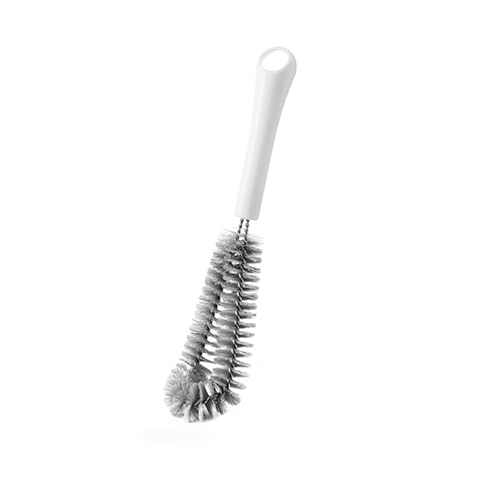
- Electric kettle cleaning brush nylon bristle for interior brushing
<li Soft cloth or sponge for exterior polishing
<li White vinegar or citric acid (optional, for alternative descaling)
<li Water (fresh), clean towels

Before You Start
Safety first: always unplug electric kettles and remove any cords from the unit before cleaning. Allow the kettle to cool completely to avoid burns. For safety around hot steam, keep hands away from the spout while rinsing. If your surface is delicate, test a small inconspicuous area before applying cleaners. Time estimates vary: plan about 15–30 minutes for routine cleaning and up to an hour for heavy descaling.
Important cautions: never immerse an electric kettle in water or put the base in a sink full of water. Use non-abrasive tools to protect the coating, especially on stainless steel finishes.
Step-By-Step: How To Clean A Tea Kettle
- unplug the kettle and let it cool, then remove the lid and any removable filters or screens if applicable
- Pour out any remaining water and rinse the interior with warm water to loosen loose deposits
- Fill with a cleaning solution: either a commercial stainless steel kettle descaler lemon cleaner tablet dissolved in water or a mixture of equal parts white vinegar or lemon juice and water
- Bring the solution to a gentle simmer or boil for a few minutes, then turn off heat and let it sit for 15–20 minutes to allow scale to loosen
- Use the electric kettle cleaning brush nylon bristle to gently scrub the interior walls where mineral buildup is most visible
- Pour out the solution and rinse the kettle thoroughly with fresh water several times to remove all residue
- Boil clean water once or twice and discard to ensure any remaining cleaning agents are flushed out
- Wipe the exterior with a damp cloth and dry with a soft towel to prevent water spots
- Reassemble, fill with fresh water, and heat briefly to verify that there are no lingering odors or deposits
- Store and use your kettle as normal, keeping the interior dry when not in use to deter new buildup
Troubleshooting
| Symptom | Likely Cause | Fix | Prevention |
|---|---|---|---|
| Kettle shows rapid mineral buildup after cleaning | High mineral content in water | Descale more frequently; consider using filtered water | Regular maintenance schedule |
| Uneven heating or hot spots | Residual deposits blocking heating element | Repeat descaling cycle; ensure thorough rinse | Clean every 1–3 months based on usage |
| Foul odor after cleaning | Chemical residue | Rinse thoroughly with multiple water changes | Rinse and boil fresh water before first use |
| Exterior peeling or discoloration | Harsh cleaners or abrasive brushing | Switch to non-abrasive cloth and milder cleaners | Avoid steel wool; use microfiber |
Common Mistakes
- Using abrasive scrubbers that scratch the interior or exterior finish
- Overfilling the kettle with cleaning solution, causing overflow
- Leaving cleaning agents inside for too long, which can leave taste residues
- Neglecting to rinse thoroughly, leading to aftertastes
Keeping a consistent routine helps prevent buildup and maintains kettle performance. Adjust the frequency to your water hardness and usage patterns.
Tips For Best Results
- Use citric acid or lemon-based descalers for a natural option that also refreshes aroma
- Opt for a stainless steel kettle descaler lemon cleaner tablet for compatibility with most metal finishes
- Rinse with hot water several times after descaling to ensure complete removal of residues
- Schedule a monthly quick rinse with hot water to keep mineral levels in check
- Store the kettle in a dry place between uses to minimize spotting and corrosion
Call A Professional
Consider professional help if you notice persistent leaks, unusual noises during heating, or if the exterior finish is significantly damaged. If the kettle fails to heat even after multiple descaling attempts, contact the manufacturer or a qualified technician for assessment. Do not attempt interior repairs beyond cleaning.
FAQ
How often should I descale my kettle?
Descale every 1–3 months based on water hardness and usage. Heavier mineral content may require more frequent cleaning.
Can I use vinegar to descale my kettle?
Yes, a diluted vinegar solution is effective, but rinse thoroughly to remove any odor or taste.
Is it safe to put cleaning tablets directly in an electric kettle?
Yes, but follow the tablet instructions and rinse thoroughly after the cycle.
What if I still have mineral deposits after descaling?
Repeat the descaling process and consider using filtered water to reduce future buildup.
Buying Guide
When selecting cleaning products for a tea kettle, consider factors like compatibility with stainless steel or nonstick interiors, fragrance-free formulas, and ease of use. A stainless steel kettle descaler lemon cleaner tablet is a popular choice for regular maintenance, while a bulk option like kettle descaler tablets stainless steel 12 pack supports ongoing care. For inside cleaning, a electric kettle cleaning brush nylon bristle helps reach crevices and spouts. Always ensure products are labeled safe for kettles and do not leave harsh residues. In addition to cleaners, using filtered water minimizes mineral buildup over time.
Key buying factors include:
- Size and capacity: Choose a cleaner that works effectively for the kettle’s interior volume
- Effectiveness: Look for proven descalers compatible with stainless steel
- Ease of use: Tablets or liquids that require minimal steps
- Odor control: Fragrance-free options may be preferred for kitchens
- Placement: Store cleaners in a dry cabinet away from heat sources
Leave a Reply