How to Clean Tarnished Silver Plate
Tarnish on silver plate can dull the shine of decorative pieces and flatware alike. This guide provides practical, step-by-step methods using common tools and specialized silver care products to restore luster without damaging the surface. Readers will learn safe preparation, effective cleaning techniques, and tips to prevent future tarnish.
Quick Answer
Gently remove tarnish with a silver plate tarnish remover kit or a silver polish cream, then buff with a silver polishing cloth for a bright, even finish. For light tarnish, a soft cloth and mild polish may suffice; for heavy tarnish, follow the kit instructions and test on a concealed area first.
What You’ll Need
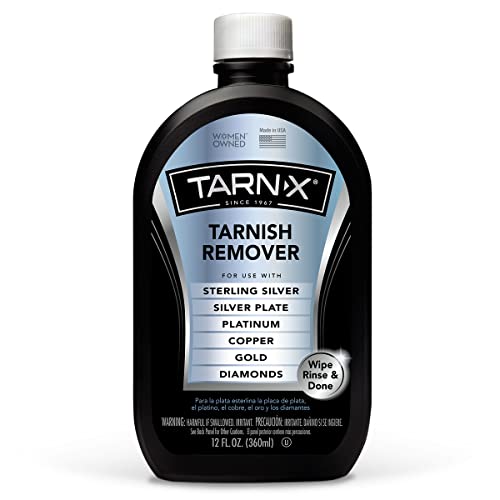
- Silver plate tarnish remover kit
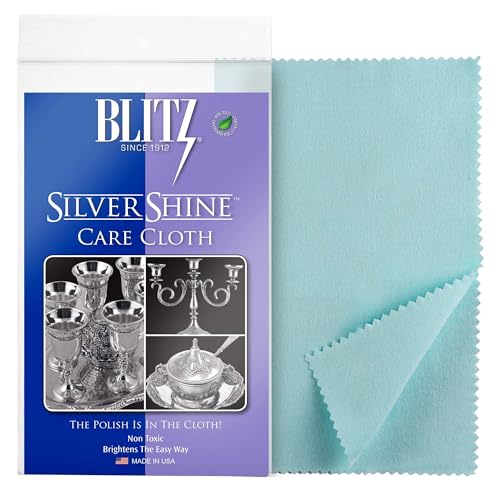
- Silver polishing cloth for flatware and plates
- Silver polish cream 8 oz for jewelry and silverware
- Soft lint-free cloths
- Soft-bristle brush or cotton swabs for intricate details
- Optional: warm, mild dish soap for initial cleaning

Before You Start
Prepare a clean workspace free of clutter. Place the silver items on a soft towel to prevent scratching. If items are heavily tarnished, consider soaking as directed by the tarnish remover kit. Wear gloves if you have sensitive skin to avoid oils from hands transferring to the surface. Test a small, inconspicuous area before full application to confirm compatibility and avoid dulling or scratching. Allow ample time for each step, especially during the soaking phase, to avoid rushed movements that can scratch delicate plate finishes.
Step-By-Step: How To Clean Tarnished Silver Plate
- Inspect the piece for any loose parts, coatings, or patina that may react differently to cleaners.
- If using soap, wash the item gently with warm water and a drop of mild dish soap; rinse thoroughly and dry with a soft cloth.
- Apply a small amount of the silver plate tarnish remover kit according to the package directions. Use a soft cloth or brush to work the product into tarnished areas, following the grain or contours of the piece.
- For heavy tarnish, reapply in thin layers rather than a single heavy application. Allow the product to dwell as specified by the kit, then rinse well with lukewarm water.
- Dry the piece completely with a clean, lint-free cloth to prevent water spots and further oxidation.
- Polish with a silver polishing cloth for flatware and plates to achieve a uniform sheen. Use gentle, circular motions and avoid pressing hard on delicate surfaces.
- If using silver polish cream 8 oz for jewelry and silverware, apply a pea-sized amount to a microfiber cloth and rub lightly across the surface. Wipe away residue with a fresh cloth and buff to a high shine.
- For intricate details, use a soft-bristle brush or cotton swabs to remove tarnish from crevices, then rinse and dry thoroughly.
- Rinse any residue from the item after polishing, especially if you used a chemical remover, to prevent film buildup.
- Finally, store the silver plate in a dry, low-humidity area, ideally in anti-tarnish bags or wrapped in acid-free tissue.
- Regular maintenance: gently wipe after use and perform light polishing every few months to minimize heavy restoration needs.
Troubleshooting
| Symptom | Likely Cause | Fix | Prevention |
|---|---|---|---|
| Streaks or uneven shine | Residual cleanser or improper buffing | Rewipe with a clean cloth using light, even strokes | Ensure complete rinse and use fresh cloths |
| Black residue after cleaning | Reaction with certain coatings or alloys | Rinse thoroughly; test on hidden area; repeat with milder cleaner | Avoid harsh cleaners on delicate finishes |
| Surface scratches | Aggressive scrubbing or abrasive products | Switch to soft cloths and non-abrasive polish | Limit pressure and use proper tools |
| Re-tarnishing within weeks | Exposure to air, humidity, or acids | Store in a dry, sealed environment; apply light protective coating if recommended | Regular dusting and gentle mineral oil-free cleaning |
Common Mistakes
- Overusing harsh chemical cleaners that gouge or dull the surface
- Using abrasive brushes or pads on flat surfaces
- Skipping a test patch on a hidden area before full application
- Not drying items completely before storage, promoting new tarnish
By avoiding these missteps, the restoration process remains safe for both heirloom pieces and everyday silver plate.
Tips For Best Results
- Work in a well-ventilated area when using chemical cleaners and wear protective gloves if needed.
- Apply cleaners in the direction of the finish to minimize micro-scratches.
- Use the polishing cloth in a consistent motion to build a uniform sheen rather than spot-buffing.
- For items with plated finishes, avoid soaking for extended periods as it can loosen the plating.
- Consider applying a thin protective wax or oil recommended for silver after cleaning, if appropriate for the piece.
Call A Professional
Seek professional help if the piece shows signs of genuine silverware wear, severe pitting, loose plating, or if it is a rare antique with significant value. Immediate professional consultation is advised for items with delicate engravings, family crests, or suspected historical finishes. Stop attempting self-cleaning if you notice discoloration spreading or if the base metal becomes exposed.
FAQ
How often should I clean silver plate?
Light cleaning after use and periodic polishing every few months is typically sufficient to prevent heavy tarnish buildup.
Can I use silver polish on all silver-plated items?
Most silver plate responds well, but test first on a hidden area to confirm compatibility with the finish.
Is it safe to soak tarnished silver plate?
Some kits allow soaking; follow the product instructions and avoid long soaks on delicate or antique pieces.
What’s the best storage to prevent tarnish?
Store in a dry, low-humidity environment or anti-tarnish packaging when not in use.
Buying Guide
Choosing the right approach to cleaning tarnished silver plate involves evaluating several factors. Size and complexity of the piece determine whether a simple cloth-and-paste method suffices or if a full tarnish remover kit is necessary. Noise level is rarely a concern with these cleaning products, but it matters for those who prefer quiet, hand-applied polishing. Consider energy efficiency in the context of any powered tools or warm water usage, though most steps rely on manual work. Controls on cleaning products should be simple and labeled, with clear dwell times and safety guidelines. Placement—store pieces in a dry, low-humidity area away from direct sunlight to slow tarnish progression. When comparing kits and polishes, look for endorsements on gentle formulations suitable for plated finishes, and verify compatibility with your specific silver items. If unsure, start with a light, non-invasive approach using a polishing cloth and observe the results before moving to stronger products. Do you want a bright, uniform finish without risking surface damage? A carefully chosen tarnish remover kit paired with proper polishing cloth and polish cream can balance effectiveness and safety. For multi-piece sets or intricate designs, consider a kit that includes applicators and soft brushes to reach crevices. Always check that the product packaging indicates safe use on silver plate and provides clear instructions. Finally, assess the price range, availability, and customer reviews to gauge long-term value and reliability.
Leave a Reply