How to Clean Tan Leather Car Seats
Tan leather car seats add a warm, upscale look to a vehicle interior. Regular cleaning helps preserve color, prevent cracking, and extend the life of the leather. This guide provides a practical, step-by-step approach using common leather cleaning tools and best practices for American cars.
Quick Answer
Use a dedicated tan leather car seat cleaner kit with brushes, apply a leather conditioner designed for cars, and finish with microfiber cloths to buff and protect the surface. Clean gently, condition after cleaning, and avoid excessive moisture that can seep into seams.
What You’ll Need
Gather these tools and products to safely clean tan leather car seats:
- tan leather car seat cleaner kit with brushes
- leather conditioner for cars tan seats 12 oz
- car interior detailing leather cleaning brush kit microfiber cloths
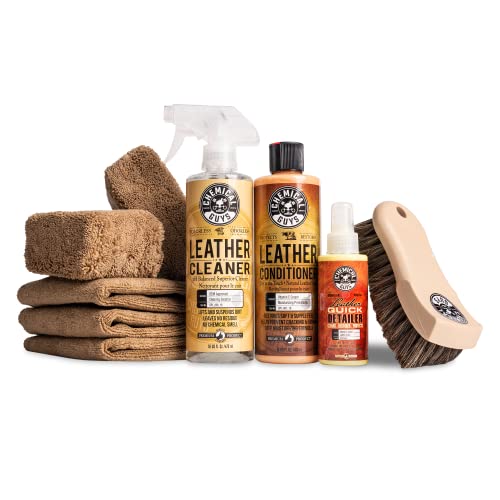
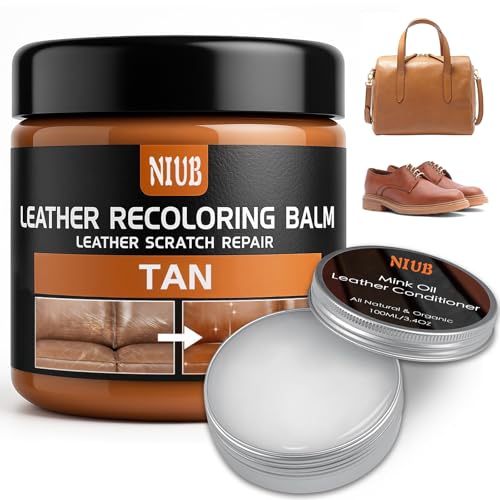
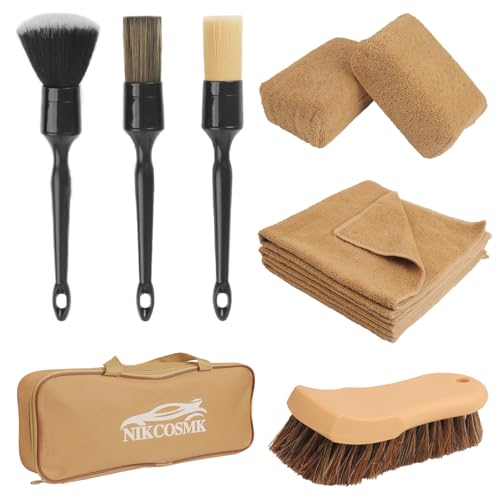
Before You Start
Prepare the area and protect surrounding surfaces. Vacuum the seats first to remove loose debris, then wipe with a dry microfiber cloth to lift surface dust. Test any cleaner in an inconspicuous area and follow the product directions. Avoid soaking the leather, which can cause swelling or mold. Work in a shaded, well-ventilated area and allow time for the seats to dry completely before use.
Step-By-Step: How To Clean Tan Leather Car Seats
- Remove loose dirt with a vacuum, using the soft brush attachment to reach seams and folds.
- Prepare the cleaner by following the kit instructions. Lightly dampen a microfiber cloth or the included brush with the cleaner—never spray directly onto the leather.
- Gently scrub the surface in small, circular motions to lift oils and grime without abrading the finish.
- Use a clean microfiber cloth to wipe away loosened dirt and cleaner residue. Flip the cloth frequently for a fresh surface.
- For stubborn spots, apply a small amount of cleaner with the brush and work the area using light pressure, then remove with a cloth.
- Apply the leather conditioner in a thin, even layer on the tan seats. Allow it to penetrate for the time specified by the product.
- Buff the seats with a dry microfiber cloth until the surface shines evenly and feels supple.
- Clean any chrome or plastic trim around the seats with a separate cloth to avoid transfer of conditioner or cleaner.
- Condition all leather surfaces, including bolsters and edges, to maintain flexibility and prevent cracking.
- Let the seats air-dry fully before using the vehicle. Open doors briefly to speed up evaporation if needed.
- Inspect for missed spots and repeat a light cleaning if necessary, particularly on high-traffic areas.
- Store remaining kit components out of direct sunlight to preserve cleaner and conditioner.
Troubleshooting
| Symptom | Likely Cause | Fix | Prevention |
|---|---|---|---|
| Sticky or tacky feel after cleaning | Excess cleaner or conditioner residue | Wipe with a clean, dry microfiber cloth; apply a light buff | Use small amounts; test in a hidden area first |
| Discoloration after cleaning | Harsh cleaner or color bleed from dye | Use a product specifically formulated for tan leather; avoid color-transfer products | Always test first; work in color-true products |
| Dry, cracked appearance | Leather is dry or over-cleaned | Apply conditioner evenly; let absorb fully | Schedule regular conditioning |
| Streaks after conditioning | Uneven application | Buff with a clean dry cloth in circular motions | Apply thinner coats |
Common Mistakes
- Using household soaps or ammonia-based cleaners on leather
- Soaking leather with excessive liquid during cleaning
- Skipping conditioning after cleaning, leading to stiffness
- Not testing cleaners on a hidden area before full application
Avoid these missteps to maintain color, texture, and longevity of tan leather seats.
Tips For Best Results
- Work in small sections to ensure even cleaning and conditioning
- Use a two-step approach: clean first, condition second, then buff for shine
- Choose pH-balanced cleaners designed for automotive leather
- Keep cleaners in their original containers and away from direct sunlight
- Consider conditioning every 3–6 months, depending on use and climate
Call A Professional
Consider a professional detail if leather shows deep staining, extensive cracking, or color fading that does not respond to routine cleaning and conditioning. Stop and seek expert help if any cleaner causes color transfer, a strong odor, or surface damage. Professionals can assess dye stability and apply targeted color-matching treatments when needed.
FAQ
Is it safe to use regular household cleaners on tan leather seats?
No. Household cleaners can strip natural oils and damage the leather finish. Use products specifically designed for automotive leather care.
How often should I clean and condition tan leather car seats?
Clean as needed to remove dirt, then condition every 3–6 months or as recommended by the product manufacturer, depending on climate and usage.
What if a stain persists after cleaning?
Spot-clean with a stain-specific product or seek professional help if stains linger beyond standard treatment.
Can I use a conditioner on all leather surfaces in the car?
Yes, apply to all leather areas, including seats, door panels, and trims, following product directions to avoid over-conditioning.
Buying Guide
Key factors influence results when cleaning tan leather car seats. Consider size, durability, and compatibility with your leather type. Look for products labeled safe for automotive leather, especially tan or light-colored finishes that show stains easily.
- Size and coverage: Choose a bottle size that matches your cleaning frequency and the vehicle’s seat area.
- Noise level and contact ease: Some cleaning brushes are motorized; select a quiet model if you share space with others during cleaning.
- Energy efficiency: Manual brushes consume no power; battery-powered tools should offer good battery life.
- Controls: Simple, tactile controls help reduce over-application and speed up cleaning sessions.
- Placement: Store kit components in a compact bag to keep the car tidy when not in use.
- Color compatibility: Ensure cleaners and conditioners are designed for tan leather to prevent dye bleed.
- Finish protection: Look for conditioners that also provide UV protection to guard against sun exposure in vehicles.
Thinking about a kit versus individual products? A complete tan leather car seat cleaner kit with brushes often simplifies workflow, while a dedicated conditioner ensures ongoing protection. Compare the included microfiber cloths and brushes for gentle yet effective cleaning on delicate leather surfaces.
Leave a Reply