How to Clean a Takeya Water Bottle
Takeya water bottles are designed for daily use and durable performance. Regular cleaning ensures you enjoy fresh-t tasting water and extended bottle life. This guide outlines practical steps, safe tools, and common-sense tips to keep your Takeya bottle sparkling and ready for your next drink.
With the right approach, cleaning a Takeya bottle becomes a quick routine. The methods here cover wide-mouth and straw-access bottles, and they use accessible tools to reach every corner and stubborn spot. Follow these steps to prevent odors, mildew, and mineral buildup that can occur with frequent use.
Quick Answer
For most Takeya bottles, rinse after use, wash with warm soapy water, use a bottle brush for the interior, and allow to air dry with the cap off. For narrow mouths or straw components, use specialized brushes to reach small crevices and straw tubes for thorough cleaning.
What You’ll Need
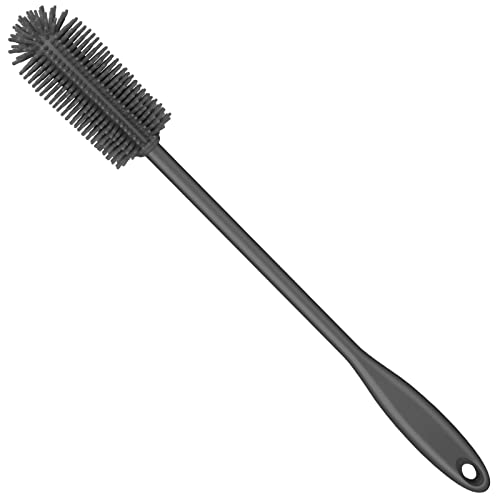
- Takeya water bottle cleaning brush wide mouth silicone bristles
- Takeya bottle straw cleaning brush
- wide mouth water bottle brush nylon bristles 12 inch


Before You Start
Prepare a clean workspace and gather tools. Disassemble the bottle as fully as the design allows: remove the cap, seals, and any straw components if present. Rinse with warm water to loosen residue. Do not use abrasive scrubbers on plastic finishes as they can scratch or dull surfaces. If your bottle has stubborn stains or odor, consider a brief soak in a mild vinegar solution (1:10 vinegar to water) before scrubbing, then rinse thoroughly.
Time estimate: 5–10 minutes for routine cleaning; 15–20 minutes for deep cleaning with a soak. Practice good hygiene by washing hands before handling the bottle components. Ensure the bottle is completely dry before reassembly to prevent mold growth.
Step-By-Step: How To Clean A Takeya Water Bottle
- Rinse the bottle with warm water immediately after use to prevent buildup on the interior walls.
- Fill the bottle with warm soapy water and add a few drops of mild dish soap.
- Insert the wide mouth brush into the bottle and scrub the interior in a circular motion to reach the base and sides.
- For narrow mouths or tight corners, use the wide mouth brush with nylon bristles to dislodge stuck particles.
- Gently scrub the cap, gasket, and any external threads with a small brush or the straw cleaning brush if applicable.
- Disassemble any straw components and use the Takeya bottle straw cleaning brush to scrub the straw interior thoroughly.
- Rinse all parts under clean running water until no soap residue remains.
- Air-dry all components on a rack or clean towel, with the cap left open to ensure complete drying.
- Reset the bottle by reassembling the cap and straw components only after all parts are fully dry.
- For persistent odors, soak the bottle in a dilute vinegar solution for 10–15 minutes, then scrub and rinse well.
- Occasionally, replace the cap seal or gasket if it shows signs of wear to maintain a proper seal.
- Store the bottle with the cap off or loosened to promote airflow and prevent mildew.
Troubleshooting
| Symptom | Likely Cause | Fix | Prevention |
|---|---|---|---|
| Persistent odor after cleaning | Residual odor in bottle or straw | Soak in diluted vinegar or baking soda solution, then scrub and rinse | Clean promptly after use; dry completely |
| Stains that won’t come out | Tea or coffee tannins | Soak with warm water and mild detergent; use nylon brush for tough spots | Rinse soon after consuming staining beverages |
| Gasket won’t seal | Worn or misaligned gasket | Inspect and replace gasket; reseat correctly | Regularly inspect seals during cleaning |
| Cracked bottle surface | Impact damage | Replace bottle if structural cracks appear | Handle gently, avoid drops |
Common Mistakes
- Using harsh scrubbers that scratch plastic surfaces
- Leaving parts wet inside the bottle, which may invite mold
- Ignoring small straw pieces that trap debris
- Overlooking gasket wear, which can compromise cleanliness and seal
Tips For Best Results
Establish a regular cleaning schedule that fits your usage. For daily use, a quick rinse and soap wash after each day is effective. For beverages with strong colors or smells, a weekly deeper clean is helpful. If your Takeya bottle has a wide mouth, use the nylon-bristle brush to reach the base and corners, ensuring a thorough clean. Dry thoroughly to prevent mildew. Consider labeling inner components to avoid confusing parts during reassembly.
Call A Professional
If you notice persistent leaks, cracking in the bottle walls, or damage to the gasket that affects performance, stop using the bottle and contact the manufacturer or a qualified repair service. Do not attempt to modify the cap or seal system, which could compromise safety and hydration.
FAQ
Can I put my Takeya bottle in the dishwasher?
Check the manufacturer’s guidance for your model. Some Takeya bottles are dishwasher-safe on top racks, but others may require hand washing to preserve seals and colors.
Are there specific cleaners to avoid?
Avoid abrasive cleaners or solvents that can degrade plastic and seals. Mild dish soap is typically sufficient.
How often should I replace components like gaskets?
Inspect seals regularly and replace them when you notice wear, cracking, or reduced sealing performance.
What if I have a stubborn odor that won’t go away?
Try a baking soda solution (1–2 tablespoons per cup water) or a vinegar soak, followed by thorough rinsing and drying.
Buying Guide
When choosing a Takeya bottle and accessories, consider size, ease of cleaning, and compatibility with cleaning tools. Filters and straw components require extra attention to reach internal corners. Below are key buying factors to help you compare options effectively.
- Size and capacity: Choose a bottle that fits your daily water intake and carrying needs, whether for gym use, commuting, or outdoor activities.
- Cleaning accessibility: Wide mouths are easier to scrub; ensure the bottle design supports thorough cleaning with the included brushes.
- Straw compatibility: If you prefer straw drinking, verify straw components and brushes are included or easily sourced.
- Durability and materials: Look for BPA-free plastics or stainless steel, and ensure gaskets are durable for a good seal.
- Ease of drying: A bottle designed to dry quickly helps prevent odors; consider vented caps and narrow neck design.
- Cleaning tools availability: Stock up on compatible brushes to extend cleaning efficiency; verify the brush sizes fit your bottle mouth.
- Maintenance cost: Plan for periodic gasket replacements and accessory upgrades to maintain performance.
Would you like recommendations tailored to your daily routine, such as a compact bottle for travel or a larger model for workouts? Evaluating your typical beverage choices and cleaning frequency can guide the best fit. A well-maintained Takeya bottle supports hydration with minimal effort, making daily cleaning a simple habit rather than a chore.
Leave a Reply