How to Clean Storm Windows Without Removing Them
Storm windows add extra insulation and protection, but cleaning them can be tricky without removing the panes. This guide shows a practical, step-by-step method to refresh storm windows from the outside or inside using common tools and careful technique. The approach minimizes effort while maintaining window integrity and cleanliness.
Quick Answer
Use a long-handled cleaning tool, a gentle squeegee, and a microfiber cloth to scrub, rinse, and dry storm windows in place. Start with dry brushing to remove loose debris, then lightly wash with a mild detergent solution, wipe with a microfiber towel, and finish with a streak-free dry.
What You’ll Need
- Extendable window cleaning pole kit 24ft for storm windows
- Squeegee window cleaning kit microfiber cloth 12 inch for storm windows
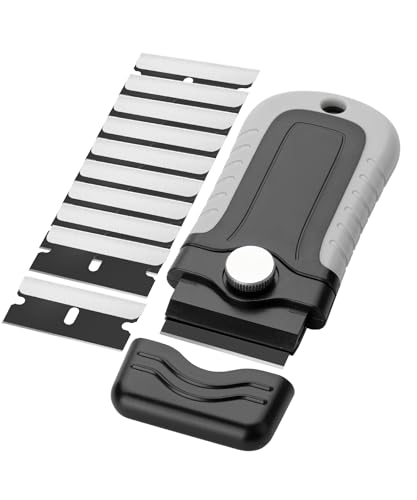
- Non-scratch window scraper blade and microfiber towel set for storm windows


Before You Start
Prep the area: remove heavy screens if possible or push them aside to avoid splashes on interior finishes. Protect nearby plants and furniture with a drop cloth. Check weather conditions; a cool, overcast day prevents rapid drying that can leave streaks. Safety notes: always secure the pole and avoid leaning out too far from a stable surface. Do not attempt to clean storm windows that appear damaged or loose.
Surface considerations: storm windows are often aluminum or vinyl frames with glass or acrylic panes. Use non-abrasive cleaners to prevent scratches. Time estimate: a typical two-story home may take 1–3 hours depending on window count and accessibility.
Step-By-Step: How To Clean Storm Windows Without Removing Them
- Assemble the extendable pole kit and attach the squeegee head. Ensure the attachment is secure and the pole is balanced to prevent slips during cleaning.
- Begin with a dry brushing pass using a soft brush or microfiber cloth on the exterior to dislodge cobwebs, dust, and pollen from the frame and glass surface.
- Mix a mild cleaning solution: a few drops of dish soap in a bucket of warm water works well. Submerge a microfiber cloth and wring until damp but not soaked.
- Wipe the glass in a top-to-bottom, left-to-right pattern. For stubborn spots, use a gentle circular motion with the non-scratch scraper blade to lift grime without scratching the surface.
- Rinse the area by wiping with a clean, damp microfiber cloth. Replace the cloth frequently to avoid spreading dirt. For large panes, use the extension pole to reach the upper corners.
- Use the squeegee to remove excess moisture, starting at the top and pulling down in a straight stroke. Wipe the blade frequently with a microfiber towel to prevent streaks.
- Inspect for streaks: if any remain, buff them with a dry microfiber cloth using light pressure in a vertical motion.
- Return any screens or hardware to their original position. If possible, dry the surrounding frame to prevent water pooling in tracks.
- Close the window to test seals and ensure the pane sits correctly in the frame after cleaning. Repeat on all reachable sections.
- For heavily soiled frames, repeat the wash-and-dry cycle on the frame edges while taking care not to oversaturate the seal areas.
- Document any issues such as loose glazing or damaged seals for repair consideration, and plan a maintenance schedule to keep storm windows looking clear year-round.
Troubleshooting
| Symptom | Likely Cause | Fix | Prevention |
|---|---|---|---|
| Streaks visible after drying | Improper drying technique or dirty cloth | Use a clean microfiber cloth and correct top-to-bottom strokes | Spot-clean with a fresh cloth during cleaning sessions |
| Water spots on glass | Hard water minerals | Wipe with a damp cloth and finish with a dry microfiber towel | Rinse with distilled water if necessary |
| Scratches on frame or glass | Using the scraper too aggressively | Light, controlled motions; avoid metal scraping on sensitive edges | Test on a hidden edge first |
| Stuck or loose frame after cleaning | Excess moisture in tracks | Dry frames thoroughly; inspect during cleaning | Clean during dry weather to reduce moisture |
Common Mistakes
- Using harsh chemicals that can degrade seals or finishes
- Cleaning in direct sun or heat, which causes rapid drying and streaks
- Overwashing panes to the point of dripping into frames
- Using metal scrapers on delicate edges or coatings
Sticking to mild cleaners and gentle tools minimizes risk and improves results over repeated cleanings.
Tips For Best Results
- Work from the top down to prevent dirty runoff onto cleaned areas.
- Keep a dedicated microfiber cloth for each stage: washing, rinsing, and drying to avoid cross-contamination.
- Warm, not hot, water helps dissolve grime without stressing seals.
- Pre-wet the frame edges before wiping to reduce friction and prevent scratches.
- Schedule seasonal cleanings to maintain clarity and extend window life.
Call A Professional
If storm windows are warped, the seals are damaged, or you notice persistent leaking, cracking glass, or persistent condensation between panes, contact a professional glazier or window service. Seek immediate help if there are broken seals, extensive moisture intrusion, or structural concern with the frame.
FAQ
Can storm windows be cleaned from the inside?
Yes, many storm windows can be cleaned from inside the home, especially if exterior access is limited. Use extendable tools to reach exterior panes from within.
What should I avoid when cleaning storm windows?
Avoid abrasive cleaners, metal scrapers on fragile surfaces, and high-pressure sprays that can loosen seals or damage coatings.
How often should storm windows be cleaned?
Typically twice a year is sufficient, with additional washes in dusty or coastal environments where salt and sand can accumulate.
Do cleaning products affect energy efficiency?
Proper cleaning improves visibility and insulation performance by preserving clear glass and smooth seals, but the cleaning products themselves have no lasting effect on energy efficiency when used correctly.
Should I remove storm windows for a deep clean?
Deep cleaning may require removal only if dirt has built up in tracks or frames in a way that cannot be reached with extendable tools. If in doubt, consult a professional.
Buying Guide
When choosing tools for cleaning storm windows without removal, consider factors like length, reach, and tool compatibility. A long extendable pole helps access upper panes from ground level, while a gentle squeegee and microfiber cloth combination reduces streaks. Look for non-scratch scrapers designed for aluminum or vinyl frames to protect delicate edges. For households with many storm windows, pairing a 24ft extendable pole kit with a dedicated squeegee kit and a microfiber towel set provides a complete solution. Consider how often cleaning will occur and whether you need extra components for multi-story homes.
Key buying factors include size and reach to accommodate multi-story homes, noise levels during cleaning, energy efficiency through clear panes, and user-friendly controls for quick setups. Placement considerations involve storage space for poles and cloths, as well as ease of access to exterior windows from inside the home. It’s helpful to compare bundles that include a combination of extendable poles, squeegees, and non-scratch scrapers for a balanced kit. Finally, ensure compatibility with storm window materials and frames to prevent any accidental damage during cleaning.
Leave a Reply