How to Clean a Stinky Washing Machine Effectively
A foul odor coming from a washing machine is a common problem for many households. Residue, mold, and hard water deposits can build up in the drum, seals, and hoses, leading to unpleasant smells and even residue on laundry. This guide explains practical steps to identify the source, clean thoroughly, and prevent future odors with readily available supplies.
Following a routine cleaning plan can restore freshness and extend the life of the appliance. The methods below are designed for standard residential washers and focus on safe, effective cleaning without harsh or invasive procedures.
Quick Answer
Quick steps: start with a hot wash hot water cycle using a washer cleaner tablet or two, run an empty cycle, and wipe seals. If odors persist, use a long-handle tub cleaning brush to scrub the drum and gasket, then air-dry with the door open after each load.
What You’ll Need
- washing machine cleaner tablets
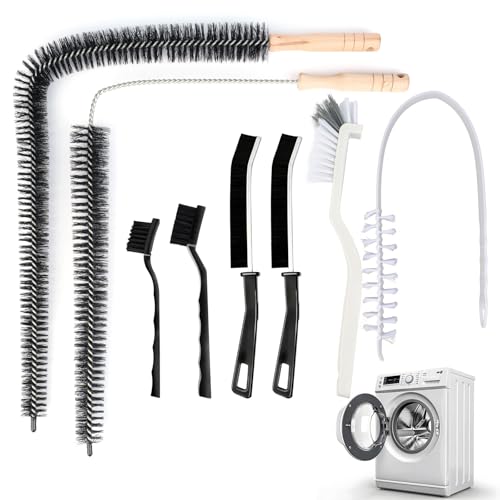
- washing machine tub cleaning brush long handle
- washing machine odor eliminator spray
- microfiber cloths
- white vinegar (optional)
- baking soda (optional)


Before You Start
Clear the washer of any loose items and run a quick diagnostic: some odors come from moldy seals or stagnant water in the drum. Remove the dispensary tray if possible and check for trapped residue. Safety note: unplug the machine before inspecting hoses or cleaning components to avoid electric shock. Plan for about 60–90 minutes for the full cleaning, including drying time.
Step-By-Step: How To Clean A Stinky Washing Machine
- Run a hot water wash on the empty machine to loosen buildup. If your washer has a self-clean cycle, select it.
- Place washing machine cleaner tablets into the detergent compartment or drum, following the product instructions for dosage.
- Choose the hottest available water temperature and run a full cycle. This helps dissolve oils, soap scum, and mineral deposits.
- While the cycle runs, use the washing machine tub cleaning brush long handle to scrub the drum walls, agitator area, and the rubber door seal. Focus on creases where moisture collects.
- Mix a small amount of white vinegar with water and spray the gasket and drum edges with the washing machine odor eliminator spray for odor neutralization. Wipe with a clean cloth after spraying.
- When the cycle finishes, wipe down the door seal and the outside of the drum with a microfiber cloth. Leave the door ajar to promote airflow and complete drying.
- Run a second, shorter hot cycle with the detergent drawer empty to rinse away any remaining cleaner residue.
- If odors linger, sprinkle baking soda inside the drum and run another hot cycle. This helps absorb lingering smells and moisture.
- Inspect hoses for signs of mold or slime. If found, wipe them with a damp cloth and run a rinse cycle. Avoid pulling or forcing hoses open unless you are confident in safe handling.
- After cleaning, keep the door open between uses and wipe the gasket monthly to prevent residue buildup.
- Schedule a monthly maintenance cycle using either cleaner tablets or a vinegar-soda routine to maintain freshness.
Troubleshooting
| Symptom | Likely Cause | Fix | Prevention |
|---|---|---|---|
| Persistent odor after cleaning | Residual residue in gasket or drum | Re-clean with a tub brush and run an extra hot cycle with cleaner | Regular monthly cleanings |
| Musty smell only when door is opened | Heat and moisture trapped in seal | Wipe seal, leave door ajar to dry | Dry after each load; occasional seal inspection |
| Clothes smell worse after washing | Detergent buildup or mold in dispenser | Clean detergent drawer with warm water; run empty hot cycle | Use the right amount of detergent and clean dispenser monthly |
| Dispenser tray contains visible mold | Sticky soap scum and moisture | Remove tray, soak in warm water, scrub, and dry | Rinse after each heavy use; air-dry tray |
Common Mistakes
- Using cold water for odor problems that require heat to dissolve oils
- Overloading the drum during cleaning cycles
- Neglecting the door seal and dispenser compartments
- Relying on a single cleaning cycle for persistent odors
Keeping these points in mind helps ensure cleaner results and reduces the chance of returning odors.
Tips For Best Results
- Perform a cleaning cycle every 1–3 months depending on usage and hardness of water.
- Place a small amount of white vinegar in the drum during cleaning for an extra deodorizing boost.
- Avoid using excessive detergent; high soap residue can contribute to buildup and odor.
- Use odor eliminator sprays to target the door seal and gasket edges after cycles.
- Keep the laundry area ventilated to reduce humidity around the washer.
Call A Professional
If odors persist after multiple deep cleanings or you notice unusual noises, leaks, or electrical issues, contact a professional appliance technician. Stop using the machine when you notice mold growth that spreads beyond the gasket or signs of water damage. A pro can safely inspect hoses, seals, and internal components that are not user-serviceable.
FAQ
Can I use bleach to clean a stinky washing machine?
Bleach can be effective for some mold issues but may damage seals or void warranties. Follow product instructions and consider non-chlorine options first.
How often should I clean my washing machine?
For typical use, clean every 1–3 months. High-efficiency models or hard water areas may require more frequent cleaning.
Is it okay to leave the door closed after a wash?
No. Leaving the door closed traps moisture and fosters mold growth. Keep the door ajar to dry the drum.
What if my washer has a self-clean cycle?
Use the self-clean cycle as directed, but still perform occasional manual inspection and gasket cleaning for best results.
Buying Guide
Buying considerations for keeping a washer smelling fresh include size and capacity, noise, energy efficiency, and control options. When selecting treatments, think about compatibility with your machine’s type (top-load vs front-load) and the hardness of your water. Reading product labels helps ensure the cleaning agents won’t interact with detergents or fabric softeners.
Size and Placement
Choose products and tools that fit your washer dimensions and the space around the unit. A long-handle tub brush is beneficial for reaching tight areas, while compact sprays work well for tight lids and seals. Ensure you have a clear, dry area to store cleaning supplies and products within easy reach of the laundry room.
Noise and Energy Considerations
While cleaning, run cycles on the energy-saving settings when possible. If the machine becomes noisier during cleaning, schedule cycles during daytime hours to minimize disruption and monitor for unusual vibrations, which could indicate internal issues.
Controls and Ease Of Use
Opt for products that are simple to apply and provide clear instructions. Tablets are convenient for regular use, while a spray can be handy for spot treatment on seals and gaskets. Accessibility and ease of use can improve adherence to a cleaning routine.
Placement And Maintenance
Position the washer in a dry, well-ventilated area away from heat sources. Regularly wipe down the door seal, dispenser drawer, and drum after cycles to minimize recurring odors. A consistent routine plus proper storage of cleaning supplies makes ongoing maintenance straightforward.
Leave a Reply