How to Clean a Sticky Range Hood
Sticky residue on a range hood can attract more dust and grime, making the kitchen look dull and the hood less effective. This step-by-step guide offers a practical, consumer-friendly approach for American homes to restore a stainless steel range hood to a clean, streak-free finish using common tools and products.
Quick Answer
For quick results, spray a dedicated stainless steel degreaser on a microfiber cloth, wipe in the direction of the metal grain, then rinse with a damp cloth. Use a stainless steel brush for stubborn grime, and finish with a microfiber dry wipe to prevent streaks.
What You’ll Need
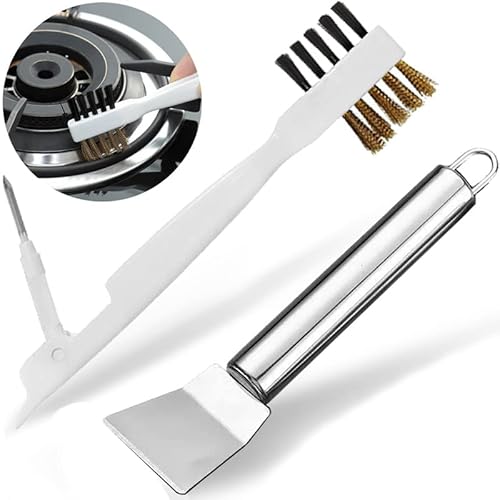
- Stainless steel range hood cleaning brush
- Kitchen degreaser spray for stainless steel range hood
- Microfiber cloths for stainless steel appliances cleaning
- Warm water, spray bottle
- Optional: non-abrasive sponge, soft lint-free towel


Before You Start
Prepare the area by clearing the cooktop, removing filters, and protecting counters with a soft mat. Ventilate the kitchen well to avoid inhaling fumes from degreasers. Test the degreaser on a small, inconspicuous area of the hood first to ensure no discoloration. Plan for about 20–40 minutes for a thorough cleaning, depending on grime level. Always read product labels for usage instructions and safety warnings.
Step-By-Step: How To Clean A Sticky Range Hood
- Disconnect or switch off the range hood’s power if accessible, then remove any filters and let them soak in warm, soapy water.
- Dust the exterior with a dry microfiber cloth to remove loose particles before applying moisture.
- Lightly spray the stainless steel degreaser onto a microfiber cloth or directly onto the hood in a controlled, small area.
- Wipe in the direction of the metal grain to lift grease without scratching the surface.
- For sticky spots, apply a second pass with a slightly damp cloth and a touch more degreaser, using gentle pressure.
- Use a stainless steel range hood cleaning brush on tough grime around edges and corners, moving with the grain.
- Rinse the cloth in clean water and wipe away any residue, then dry thoroughly with a clean microfiber cloth or soft towel.
- Refresh the filters by rinsing or washing them as per manufacturer instructions, then reinstall once completely dry.
- Inspect for streaks and buff with a dry cloth to achieve a polished finish.
- Dispose of used cleaning solutions per label directions and store tools in a dry, safe place.
- Optional: apply a light, protective wipe with a dedicated stainless steel conditioner to maintain shine.
Troubleshooting
| Symptom | Likely Cause | Fix | Prevention |
|---|---|---|---|
| Streaks after cleaning | Residue left from degreaser | Wipe with a clean damp cloth, then dry thoroughly | Wipe in the grain and use a dry microfiber for final buff |
| Grease still present in crevices | Grime in hard-to-reach areas | Use a stainless steel cleaning brush gently along edges | Clean regularly to prevent buildup |
| Surface appears dull | Overly harsh cleaner or abrasive motion | Switch to gentle degreaser and soft cloth | Avoid abrasive pads; test first |
| Discoloration after cleaning | Strong chemical interaction | Rinse with plain water and dry; discontinue product | Choose a pH-balanced degreaser |
Common Mistakes
- Using abrasive pads or steel wool on stainless steel surfaces
- Applying degreaser directly on hot surfaces
- Ignoring directions to wipe in a single direction, causing streaks
- Letting moisture linger around electrical components or filters
Tips For Best Results
- Work in small sections to prevent cleaner from drying before you wipe.
- Keep a dedicated microfiber cloth for stainless steel to avoid transferring oils from other surfaces.
- Regular preventive cleaning makes future sessions shorter and easier.
- For heavy grease, use a two-step approach: degrease first, then polish with a dry cloth to restore shine.
- Warm is preferable to hot: use warm water for rinsing to avoid thermal shock on seals.
Call A Professional
Contact a professional if the range hood shows deep discoloration, corrosion, or if cleaning reveals wiring or structural issues. Stop and call a pro if you notice:
- Electrical smells or unusual heat from the hood
- Persistent staining after multiple cleanings
- Unusual noises or malfunctioning fan during operation
- Damaged or corroded panels or mounting hardware
FAQ
Can I use vinegar on a stainless steel range hood?
Vinegar can be used in small amounts for mineral residue, but test on a hidden area first, as it may affect some finishes.
How often should I clean a sticky range hood?
Clean every 1–2 weeks during heavy cooking seasons; deeper cleaning every 1–3 months helps prevent buildup.
Is it safe to clean the hood while the stove is on?
No. Always ensure the hood is off and unplugged when performing cleaning or maintenance.
What if the grime won’t come off despite cleaning?
Reassess the cleaning agent and consider a professional service if grime resists standard methods.
Should I remove the filters before cleaning?
Yes. Remove filters and clean them separately to prevent grease from dripping onto the hood.
Do you need special tools for corners?
A microfiber cloth with a small stainless steel brush works well for tight spots along edges.
Can I use baby oil or oil-based products on stainless steel?
Oil-based products can attract more dust; prefer dedicated stainless steel cleaners.
Buying Guide
When choosing cleaning products for a stainless steel range hood, consider size, grime level, and user safety. Look for a spray-on degreaser formulated for stainless steel, and choose a microfiber cloth set designed for appliances. A dedicated stainless steel brush can help with stubborn grime around seams. Consider a product line that includes both a cleaner and a conditioner to maintain shine. Is the product labeled as safe for consumer use and kitchen surfaces? Always follow label directions and perform a patch test first.
Buying Guide: Key Factors To Compare
Size and configuration of the hood affect how much product you need; larger hoods require more thorough cleaning and possibly more time. Noise level and energy efficiency are not directly impacted by cleaning products but are relevant when selecting an overall hood model for ongoing maintenance. Look for easy-to-use controls for manual cleaning and a nozzle design that helps reach corners. Placement matters for ventilation efficiency and ease of access to surfaces during cleaning. Compare degreasers by grease-cutting power, residue-free formulas, and material compatibility with stainless steel.
Leave a Reply