How to Clean a Steering Wheel
Cleaning a steering wheel is an essential part of keeping a car interior fresh and hygienic. This guide provides a practical, step-by-step approach using common detailing tools and safe cleaning methods suitable for American vehicles. Readers will learn how to remove grime, oils, and fingerprints while protecting leather and plastic surfaces.
Whether the goal is a quick wipe-down or a thorough interior refresh, following best practices helps extend the life of interior materials and improves overall driving comfort. The instructions below emphasize safety, effective products, and efficient techniques that work for most car models.
Quick Answer
Best practice: use a leather steering wheel cleaner kit for leather surfaces or a gentle multi-surface cleaner for plastics, followed by a microfiber cloth for a flawless finish. For textured grips, a soft detailing brush can lift embedded dirt without scratching.
What You’ll Need
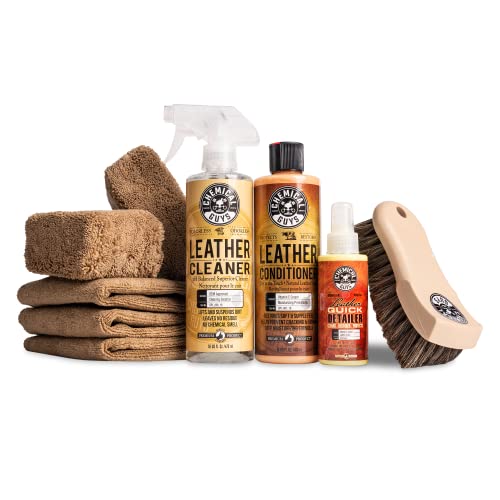
- Leather steering wheel cleaner kit car detailing set
- Car interior detailing brush set for steering wheel
- Microfiber cleaning cloth kit for steering wheel and dashboard


Before You Start
Prepare a clean, well-lit workspace and ensure the vehicle is parked in a shaded area to prevent cleaning products from drying too quickly. Remove loose items from the cockpit and roll down windows for ventilation. Test a small hidden area first to check for color fastness or material reactions. Time estimate: 15–30 minutes for a thorough cleaning, shorter for quick wipe-downs.
Step-By-Step: How To Clean A Steering Wheel
- Put on clean microfiber cloths and, if leather, ensure the material is compatible with the cleaner you plan to use.
- Apply a small amount of cleaner to a corner of the microfiber cloth rather than directly on the surface to avoid oversaturation.
- Gently wipe the steering wheel’s surface in a consistent, circular motion to remove oils, fingerprints, and light grime.
- For textured grips or patterns, use the car interior detailing brush set for steering wheel to lift dirt from crevices, then wipe with a cloth.
- If you have a leather steering wheel, follow the cleaner’s directions and apply a leather conditioner after cleaning to maintain suppleness.
- Wipe down the entire wheel, including the outer rim, spokes, and any grooves near audio controls or airbags, using a fresh cloth to avoid redistributing grime.
- Dry the surface with a clean, dry microfiber cloth to prevent streaks and water spots.
- Optionally, use a light protective spray or conditioner on leather surfaces, again testing first in a hidden area.
- Inspect the wheel for any remaining spots; repeat the appropriate step as needed, focusing on stubborn residues with a gentle brush.
- Finish with a final wipe to remove any product residue and leave a uniform, clean appearance.
- Store cleaning supplies in a cool, dry place after use and dispose of used cloths properly to prevent odors.
Troubleshooting
| Symptom | Likely Cause | Fix | Prevention |
|---|---|---|---|
| Streaks after cleaning | Excess cleaner or uneven wipe | Use a lighter mist and a fresh cloth; wipe in consistent motions | Test products on a hidden area first |
| Leather feels sticky | Product residue | Wipe with a clean, damp cloth and dry thoroughly | Apply conditioner sparingly |
| Color transfer to cloth | Color-fast issue or over-wetting | Use minimal product and a dry cloth | Always spot-test |
| Dust returns quickly | Inadequate cleaning of crevices | Use the detailing brush to lift dirt from grooves | Regular maintenance |
Common Mistakes
- Over-wetting leather or plastics, which can cause swelling or damage
- Using harsh cleaners that degrade coatings or dye
- Skipping test spots, leading to discoloration
- Neglecting crevices where dust collects
Avoid these missteps by selecting appropriate cleaners, applying sparingly, and performing spot tests before full-scale use.
Tips For Best Results
- Work in sections to ensure even cleaning and drying.
- Use a dedicated microfiber cloth for the final wipe to minimize lint.
- Consider a two-step approach: light cleaning followed by conditioning on leather surfaces.
- Keep a small brush handy to reach hard-to-clean areas around buttons and seams.
- Store cleaning products away from kids and pets to prevent accidental exposure.
Call A Professional
Seek professional help if the steering wheel shows deep cracking, significant dye loss, or if the airbag area appears damaged. Stop cleaning and contact a certified technician if there is any sign of steering wheel material failure, unusual odor, or sticky residues that persist after multiple attempts.
FAQ
Can I use dish soap to clean my steering wheel?
Dish soap is not recommended for vehicles because it can strip protective coatings. Use products designed for car interiors or leather-safe cleaners.
Is it okay to use a microfiber cloth on leather?
Yes, microfiber is ideal for leather as it minimizes scratches and absorbs oils effectively.
How often should I clean my steering wheel?
Clean monthly or more often if the vehicle is shared or exposed to heavy traffic environments.
Will cleaning damage sensitive controls on the wheel?
Use gentle, surface-safe cleaners and avoid saturating any electronic components.
Should I condition leather every time I clean?
Conditional treatment is recommended after cleaning to maintain suppleness, but follow product directions and test first.
What if the wheel is very dirty with built-up grime?
Consider a thorough wipe-down, a light brushing of crevices, and repeating the cleaning process as needed.
Buying Guide
When choosing products for steering wheel care, consider size and material compatibility, noise level, energy efficiency, controls, and placement within the vehicle. For leather wheels, a dedicated leather cleaning kit paired with a conditioner provides reliable protection. For plastic or vinyl wheels, select a gentle multi-surface cleaner and a soft brush to reach textured areas.
Key buying factors:
- <bSize and compatibility: Ensure products fit your wheel type and surface finishes.
- <bNoise level: Choose tools and brushes that operate quietly to avoid distractions.
- <bEnergy efficiency: Manual brushing and microfiber methods are low-energy options.
- <bControls and placement: Prefer products that won’t interfere with airbags or steering controls.
- <bSurface protection: Leather-safe cleaners and conditioners help preserve softness and color.
Comparing kits, brushes, and cloth sets helps tailor choices to but not confuse with the vehicle’s interior needs. Ask yourself: Do I clean leather or plastic more often? How much time do I want to invest in routine maintenance? A balanced approach usually combines a leather cleaning kit for leather wheels and a microfiber cloth kit for plastics.
Leave a Reply