How to Clean Stains With Baking Soda
Baking soda is a versatile, affordable cleaner that works on a wide range of household stains. Used alone or with gentle scrubbing, it can lift discoloration from fabrics, carpets, countertops, and clothing without harsh chemicals. This guide shows practical, step-by-step methods to harness baking soda for stain removal across common surfaces.
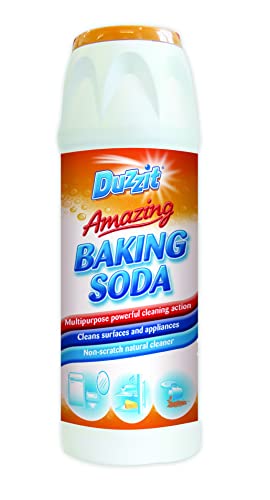
Readers will find quick-action tips, safety notes, and product-friendly options such as a baking soda stain remover kit with a scrub brush and a baking soda paste stain remover scrub brush to simplify the process. The goal is to help American households achieve cleaner results with minimal effort and materials.
Quick Answer
Best first approach: sprinkle baking soda on the stain, add a small amount of water to form a paste, let sit briefly, then scrub with a soft brush or sponge and rinse. For tougher stains, use a dedicated baking soda stain remover kit with scrub brush or a baking soda stain removal sponge for targeted action.
What You’ll Need
- Baking soda stain remover kit with scrub brush
- Baking soda paste stain remover scrub brush
- Baking soda stain removal sponge
- Water (tap water is fine)
- Soft cloths or microfiber towels
- Optional: mild dish soap


Before You Start
Before treating a stain, test a small, hidden area for colorfastness, especially on fabrics and carpets. Avoid using bleach or hot water on protein-based stains; hot water can set them. Time estimates vary: light stains may require 5–15 minutes, while stubborn marks may need 30–60 minutes of pre-treatment. Work on a clean, dry surface to prevent spreading the stain.
Safety note: use gloves if you have sensitive skin, and ensure good ventilation when using any cleaning products. If you’re cleaning delicate fabrics or antique textiles, consider professional cleaning for best results.
Step-By-Step: How To Clean Stains With Baking Soda
- Identify the stain type and surface. Baking soda works on many organic, greasy, and mineral stains, but avoid porous stone surfaces that can be scratched or etched.
- Mix a paste. Combine baking soda with a small amount of water to form a thick paste. For some materials, a drop of mild dish soap can enhance cleaning power.
- Apply the paste. Spread a generous layer over the stained area, ensuring full coverage. For fabrics, test first in a hidden seam.
- Let it sit. Allow the paste to sit for 10–15 minutes on light stains or up to 30–60 minutes on tougher marks. Do not let the paste dry completely on delicate fabrics.
- Scrub gently. Use the baking soda paste stain remover scrub brush or a soft sponge to scrub in circular motions. Focus on the stain’s edges to prevent spreading.
- Rinse or blot. Rinse with clean water or blot with a damp cloth to remove residue. For fabrics, rinse through the back to avoid embedding the stain further.
- Repeat if necessary. For persistent stains, reapply the paste and scrub again. Avoid over-wetting fabrics to prevent water stains.
- Dry and inspect. Allow the area to air dry. Check for any remaining stain and repeat the process if needed.
- Finish with a compatible treatment. If the stain remains, consider a specialized stain remover or sponge designed for the surface you’re cleaning.
- Careful final wipe. Wipe the treated area with a clean, damp cloth to remove any remaining powder before use.
Troubleshooting
| Symptom | Likely Cause | Fix | Prevention |
|---|---|---|---|
| Stain reappears after drying | Residue left behind | Rinse thoroughly and repeat with a fresh paste | Rinse until no powder remains |
| Color fading on fabric | Over-wetting or harsh scrubbing | Use lighter pressure; test first | Always test in hidden area |
| Stiff fabric after treatment | Residue from baking soda | Wash or rinse with clean water | Use minimal powder and complete rinse |
| Prowning or etching on stone countertops | Acidic spills mixed with baking soda | Avoid on natural stone; use approved cleaners | Seal stone surfaces and clean spills promptly |
Common Mistakes
- Using hot water on protein stains, which can set the stain
- Letting paste dry completely on delicate fabrics
- Over-wetting surfaces, especially wood or certain plastics
- Ignoring test patches on colors or textures
Tips For Best Results
For surface versatility, pair baking soda with a gentle scrub brush and a soft sponge. When dealing with greasy stains, consider applying a little dish soap first, then baking soda paste for extra lift. For persistent carpet stains, blot rather than rub to avoid fiber distortion. Always finish by drying with a clean towel to prevent moisture-related odors.
Call A Professional
Stop and consider professional cleaning if stains are deeply ingrained, set for a long time, or involve delicate fabrics, antique textiles, or valuable materials. If colors run or fabrics show wear after two attempts, consult a cleaner to avoid damage.
FAQ
Can baking soda remove coffee stains?
Yes, baking soda can lift coffee stains on fabrics and carpets when used as a gentle paste and scrubbed with a soft brush.
Is baking soda safe on all fabrics?
Most fabrics are compatible, but always test a hidden area first and avoid delicate fabrics or strong, abrasive scrubbing.
How long should I leave the paste on a stain?
Light stains 10–15 minutes; tougher stains up to 30–60 minutes, especially on fabrics. Do not let it dry completely on delicate materials.
What surfaces should I avoid using baking soda on?
Avoid natural stone surfaces like marble or certain countertops that can be etched by alkaline cleaners or mixed with acidic residues.
Can I use baking soda paste on carpets?
Yes, apply sparingly, scrub gently, and rinse with a damp cloth. For stubborn carpet stains, consider a stain removal sponge designed for carpets.
Will baking soda remove rust stains?
Baking soda has limited effectiveness on metal rust; specialized rust removers or a professional service may be required.
Buying Guide
Choosing the right baking soda cleaning options involves considering size, ease of use, and surface compatibility. For stain removal, a complete kit with a scrub brush can streamline the process, while a dedicated paste or sponge can suit quick touch-ups. When shopping, look for products labeled as safe for the intended surface, and verify that tools are soft-bristled to prevent scratching.
Key buying factors include:
- Size and packaging: larger kits reduce re-orders for households with frequent stains
- Ease of use: pre-mixed pastes or combined kits simplify steps
- Surface compatibility: fabrics, carpets, countertops, and tiles
- Control and ergonomics: handles on brushes for comfort and control
- Storage and disposal: compact, resealable packaging helps maintain powder freshness
Is a bundled kit worth it? For most households, yes, because it bundles a scrub brush and sponge with baking soda, offering a complete solution. If you primarily deal with fabric or carpet stains, a paste-based option with a soft brush may be sufficient. Consider your typical stain types and surfaces to pick the best combination.
Leave a Reply