How to Clean Stains on Casper Mattress
The Casper mattress can provide years of restful sleep, but stains happen. This guide offers practical, step-by-step methods to remove spills and spots from memory foam mattresses like Casper, using common tools and a few specialty products. Readers will find safe techniques that preserve comfort and extend the mattress’s life.
By following structured cleaning steps, homeowners can address fresh accidents quickly and tackle set-in marks with proven methods. The focus is on non-abrasive cleaners, controlled moisture, and thorough drying to prevent mold and odors while maintaining fabric integrity.
Quick Answer
Target the stain promptly, blot rather than rub, and use a light cleaner designed for memory foam. For tough spots, a mattress stain remover spray for memory foam can break down soils without soaking the core. Always test on a small area first and allow thorough drying before reusing the bed.
What You’ll Need
- Mattress stain remover spray for memory foam
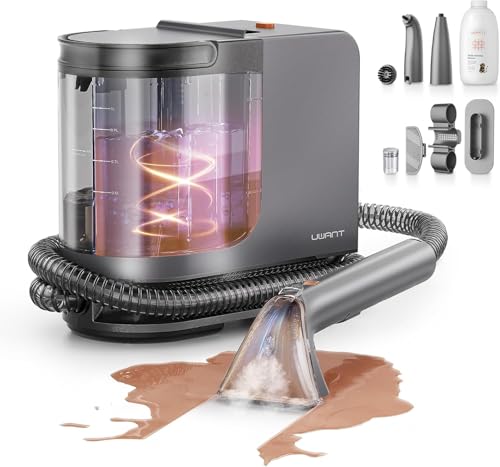
- Portable fabric steam cleaner for mattresses
- Microfiber cleaning cloths for mattress stain removal


Before You Start
Prepare the cleaning area to avoid spreading stains: remove all bedding, vacuum the surface gently, and have clean towels on hand. Work in a well-ventilated space and allow the mattress to dry completely before putting sheets back on. Do not oversaturate the mattress; excessive moisture can penetrate the comfort layers and promote mildew.
Time estimates vary by stain and drying conditions, but plan for at least 2–6 hours of total work including setup and drying time. If the stain is old, repeat steps and consider additional treatments. Always follow product labels for safety instructions.
Step-By-Step: How To Clean Stains On Casper Mattress
- Remove all bedding and place the mattress in a clean, open area with good airflow.
- Blot the stain with a dry microfiber cloth to absorb as much liquid as possible without rubbing it deeper.
- Apply a light layer of mattress stain remover spray for memory foam directly to the stain, following the product’s instructions.
- Gently blot the treated area with a fresh microfiber cloth, working from the outside edges toward the center to prevent spreading.
- If using a portable fabric steam cleaner for mattresses, use the lowest heat and minimal moisture setting to dampen only the surface; avoid pressing too hard.
- Allow the fabric to air dry, turning the mattress slightly if needed to ensure even drying. Do not cover until fully dry.
- For stubborn spots, repeat the spray and blotting steps, then finish with a light mist of clean water and blot again to remove any residue.
- Once dry, vacuum the area lightly to lift any remaining fibers and restore texture.
- Reassemble bedding and monitor the area for any signs of odor or reappearing stain over subsequent days.
Troubleshooting
| Symptom | Likely Cause | Fix | Prevention |
|---|---|---|---|
| Stain reappears after drying | Residual soil or moisture | Re-treat with stain remover spray and blot thoroughly; ensure complete drying | Act quickly; blot spills promptly |
| Odor persists | Moisture trapped in foam | Extend drying time; use fans or dehumidifier | Ventilate during and after cleaning |
| Discoloration around stain | Over-saturation or fabric staining | Limit moisture; blot rather than rub | Test cleaners on inconspicuous area first |
| Stain removal damages foam texture | Harsh cleaner or scrubbing | Switch to milder spray and gentle blotting | Follow label directions exactly |
Common Mistakes
- Using hot water or high heat on memory foam, which can set stains and weaken the foam.
- Over-wetting the mattress, leading to mold growth or slow drying.
- Rubbing aggressively, which drives stains deeper into the fabric core.
- Skipping a test patch on a hidden area before full application.
Tips For Best Results
- Always blot, never scrub, when dealing with memory foam surfaces.
- Test any cleaner on a small, hidden area before broader use to confirm compatibility.
- Use a fan or dehumidifier to speed up drying and reduce odor risk.
- Keep a regular schedule of mattress care to prevent stains from setting in.
- Rotate or flip your mattress as recommended by the manufacturer to even wear and easier cleaning.
Call A Professional
Seek professional help if stains are extensive, if odor persists after cleaning, or if the mattress has sustained water damage that caused visible swelling or mold. Immediate professional intervention may be necessary for persistent mold or structural concerns. Do not delay if you notice a musty smell or any signs of mildew.
FAQ
Can I use household cleaning products on memory foam mattresses?
Yes, but choose gentle cleaners designed for memory foam and avoid bleach or abrasive chemicals. Always test first on a small area.
Is steam cleaning safe for Casper mattresses?
Steam cleaners can be used with care on memory foam, but ensure the surface is not oversaturated and avoid high heat settings.
How long should a mattress air dry after cleaning?
A full drying period of 2–6 hours is typical, depending on humidity and airflow. Ensure it is completely dry before reusing.
Can I prevent stains from setting in?
Blot spills quickly, address stains promptly, and use a mattress protector to reduce future staining and improve longevity.
What if the stain is old and set-in?
Repeated treatment with a memory foam-safe stain remover spray may gradually lift the stain. Consider a professional cleaning if stubborn marks persist.
Buying Guide
When evaluating cleaners or tools for cleaning a Casper mattress, consider size and performance factors that affect effectiveness and ease of use. Below are key buying considerations to help readers select appropriate products and plan maintenance.
Size And Compatibility
Choose products that are suitable for full-size or queen mattresses, matching your bed dimensions. Portable tools should be easy to maneuver around the mattress surface without tipping or leaking.
Noise Level And Comfort
Quiet operation is beneficial during cleaning sessions to minimize disruption. Look for compact steam cleaners with low-noise operation and a comfortable grip for steady handling.
Energy Efficiency
Opt for devices with energy-saving settings and short operation cycles. Efficient products reduce heat buildup and shorten drying times, which is helpful for memory foam care.
Controls And Usability
Product labels should be clear, with simple spray, blot, and steam settings. A detachable nozzle and easy-to-clean components simplify maintenance.
Placement And Storage
Consider the storage space in your bedroom and whether your cleaning tools fit in a closet or cabinet. Foldable or compact designs improve accessibility and reduce clutter.
Performance Versus Price
Balance the need for a dedicated mattress stain remover spray for memory foam, a portable fabric steam cleaner for mattresses, and microfiber cloths against budget. Similar products with proven results may offer better long-term value.
Leave a Reply