How to Clean Stainless Steel Silverware Effectively
Stainless steel silverware combines durability with a sleek, polished look, but daily use can dull its shine and leave fingerprint smudges. This guide explains a practical, safe approach to cleaning and restoring luster without scratching or damaging the finish. It covers common household methods and specifically incorporates recommended tools to help American readers achieve professional-like results at home.
Quick Answer
For a quick clean, rinse silverware under warm water, apply a small amount of mild dish soap, then buff with a microfiber polishing cloth until dry and gleaming. For tougher spots, use a non-scratch nylon scrub brush, followed by a rinse and a final buff with a microfiber cloth. If stains persist, try a dedicated stainless steel cleaner polish spray with a microfiber cloth, then rinse and dry thoroughly.
What You’ll Need
- Microfiber polishing cloth stainless steel flatware
- Non-scratch nylon scrub brush for flatware cleaning
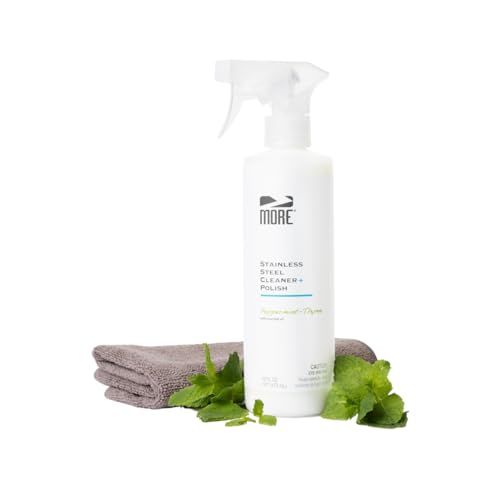
- Stainless steel cleaner polish spray with microfiber cloth


Before You Start
Prepare a clean workspace and gather all items before beginning. Always rinse silverware thoroughly after cleaning products to avoid residue. If your set has gold-tone or brushed finishes, use gentler methods to prevent color loss. Time estimates vary: a quick clean may take 5–10 minutes per drawer, while a deep refresh could take 20–30 minutes for a full set. Surface safety is essential: avoid abrasive pads on high-polish surfaces and never use bleach, ammonia, or chlorine on stainless steel as these can damage the finish.
Step-By-Step: How To Clean Stainless Steel Silverware
- Rinse each piece under warm water to remove loose debris and food particles.
- Apply a small amount of mild dish soap to a soft cloth or sponge and wipe all surfaces of the silverware.
- For stubborn spots, lightly scrub with a non-scratch nylon scrub brush, paying attention to crevices and the base of bowls.
- Rinse thoroughly with clean warm water to remove soap residue.
- Dry each piece immediately with a microfiber polishing cloth to prevent water spots and streaks.
- If spots remain, spray a stainless steel cleaner polish onto a microfiber cloth and buff in the direction of the grain until bright.
- Inspect for any dull areas; repeat the cleaning or buffing as needed for a uniform shine.
- Store dry, separated by design to avoid scratches from other pieces or metal items.
- Optionally, give the entire set a final wipe with a dry microfiber cloth for a showroom finish.
- For routine maintenance, perform a quick wipe-down after meals to maintain luster and reduce buildup.
- Consider periodic deep cleaning if the set is heavily used or has latte-colored stains.
Troubleshooting
| Symptom | Likely Cause | Fix | Prevention |
|---|---|---|---|
| Dull finish after cleaning | Residual soap or water spots | Buff with microfiber cloth until dry | Rinse thoroughly, dry immediately |
| Stubborn stains or fingerprints | Oil-based residues or mineral deposits | Use stainless steel cleaner and buff thoroughly | Clean promptly after use and avoid oily residues |
| Scratches or micro-scratches showing | Abrasive cleaners or pads | Switch to non-scratch nylon brush and soft cloth | Store separately and avoid rubbing against other metal items |
| Discoloration on older sets | Overly aggressive cleaning or chemical exposure | Cease harsh cleaners, switch to milder regimen | Regular, gentle cleaning to prevent buildup |
Common Mistakes
- Using abrasive pads or steel wool on stainless steel silverware
- Leaving soap residues that cause streaks
- Mixing different brands of cleaners that may react with finishes
- Storing damp silverware, which promotes water spots and corrosion over time
Tips For Best Results
- Buff in the direction of the grain when possible to reduce visible scratches.
- Wipe promptly after meals to minimize staining and odor transfer.
- Use a dedicated microfiber cloth for polishing to avoid transferring oils from other fabrics.
- Rotate cleaning between a quick daily wipe and a deeper weekly clean for optimal shine.
Call A Professional
Consult a professional if silverware shows deep pitting, persistent discoloration after multiple cleanings, or if the set includes ornate details that appear damaged. Seek help if metals show unusual corrosion patterns or if you’re unsure about the best cleaning method for antique or special finishes.
FAQ
Can I use vinegar to clean stainless steel silverware?
Vinegar can be effective for mineral deposits, but use it sparingly and dilute properly; rinse well to prevent any residue that might dull the finish.
Is it safe to put stainless steel silverware in the dishwasher?
Most stainless steel flatware is dishwasher-safe, but check manufacturer guidelines to avoid harsh cycles or loaded incorrect items that can cause scratches.
How do I remove hard water stains from stainless steel?
Soak in warm water with a small amount of dish soap, then buff with a microfiber cloth. For stronger stains, use a stainless steel cleaner following label directions.
What should I do if silverware starts to streak after cleaning?
Dry immediately with a clean microfiber cloth and buff to a shine; ensure you rinse away all soap residues before drying.
Buying Guide
When selecting tools and products for cleaning stainless steel silverware, consider these factors to optimize performance and ease of maintenance.
Size and Set Type
Choose tools that accommodate both full service sets and individual utensils. A compact nylon scrub brush is useful for tight spaces, while larger microfiber cloths cover more surface area during polishing.
Noise Level
Manual cleaning options are quiet, but electric or spray-based cleaners may produce light Noise. For frequent use, prefer low-noise, easy-to-dispense cleaners that won’t disturb daily routines.
Energy Efficiency
Manual methods require no electricity, while spray cleaners and polishers use minimal energy. Opt for refillable spray bottles and concentrates to reduce waste and environmental impact.
Controls and Ease Of Use
Look for simple spray triggers, comfortable handles on brushes, and lint-free microfiber cloths that resist shedding.
Placement and Storage
Store silverware dry and separated from other metal items to prevent scratches. Use lined drawers or dedicated organizers to maintain the finish and prolong shine between cleanings.
Multi-Purpose Use
Prefer tools that can handle other stainless steel surfaces such as cookware or appliances to maximize value.
Leave a Reply