How to Clean a Stainless Steel Hob
Cleaning a stainless steel hob can restore its shine and extend its life. With the right approach, routine maintenance becomes quick and simple, preventing stubborn residue and rust spots. This guide walks American homeowners through practical steps, using common household tools and a few specifically chosen products designed for stainless steel surfaces.
Below you will find a practical, step-by-step method to remove grime, fingerprints, and burnt-on food without scratching the surface. The focus is on safe, non-abrasive techniques that preserve the hob’s finish while delivering a streak-free look.
Quick Answer
Quick Method: Remove loose debris, apply a non-abrasive cleaner, scrub with microfiber pads or a soft cloth, wipe with a damp microfiber cloth, then buff with a polishing cream for the best shine. Rinse and dry to prevent water spots.
What You’ll Need
- Stainless steel hob cleaner spray 500ml non-abrasive
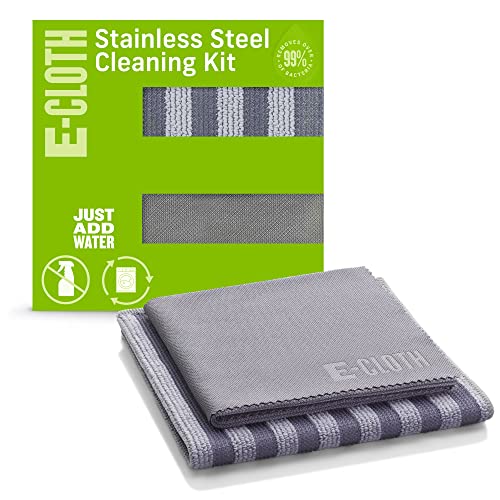
- Stove top stainless steel scrub pads microfiber cloth set
- Stainless steel appliance polish cream for hob

Before You Start
Prepare a clear workspace and ensure the hob is cool to touch before cleaning. Remove any detachable grates or filters and set them aside for separate cleaning. Safety first: wear gloves if you have sensitive skin and avoid inhaling cleaning spray. For best results, perform routine cleanings weekly and address spills promptly to prevent baked-on stains.
Critical cautions: Do not use abrasive scrubbers on a polished stainless surface, and never apply cleaners directly onto electrical components or controls. Always test a small inconspicuous area first to confirm no discoloration occurs.
Step-By-Step: How To Clean A Stainless Steel Hob
- Remove loose debris: Lift off grates and wipe away crumbs or spilled liquids with a dry microfiber cloth.
- Apply cleaner: Spray a gentle, non-abrasive cleaner evenly across the surface. Let it sit for 30–60 seconds to loosen oils and residue.
- Scrub gently: Use the stove top stainless steel scrub pads microfiber cloth set to lift grime. Apply light pressure in the direction of the grain to avoid scratches.
- Wipe moisture away: Wipe with a damp microfiber cloth, thoroughly removing cleaner and loosened residue.
- Rinse and dry: Use a fresh damp cloth to remove any remaining cleaner, then dry with a clean microfiber towel to prevent water spots.
- Polish for shine: Apply a small amount of stainless steel appliance polish cream for hob to a soft cloth and buff in the direction of the grain until reflective.
- Inspect and repeat: Check for streaks or remaining grime. Repeat the cleaning steps on any stubborn areas as needed.
- Reassemble: Return grates and filters once the hob and surrounds are completely dry.
- Optional maintenance: Light daily wipes with a dry microfiber cloth help prevent fingerprint buildup between deeper cleanings.
- Address burnt-on residue: For tougher spots, reapply cleaner and let sit longer before scrubbing with the microfiber pad, then buff again with polish.
- Final check: Look for uniform shine and no residual cleaner or streaks. A quick pass with a dry towel ensures a spotless finish.
Troubleshooting
| Symptom | Likely Cause | Fix | Prevention |
|---|---|---|---|
| Streaks after cleaning | Residue left from cleaner | Wipe with a damp cloth and buff dry | Use a small amount of cleaner and rinse thoroughly |
| Scratches visible | Using abrasive pads | Switch to non-abrasive pads and apply gentle pressure | Avoid metal scouring pads |
| Discoloration or dull finish | Over-foaming cleaners or heat exposure | Rinse well, dry, and polish with a dedicated cream | Test cleaner on a hidden spot first |
| Oil smudges reappearing | Frequent contact with cooking oils | Clean regularly with non-abrasive spray | Wipe after cooking with a soft cloth |
Common Mistakes
- Using abrasive scrub pads or steel wool on the stainless surface
- Letting cleaner sit too long or applying too much cleaner at once
- Working against the grain, which can cause micro-scratches
- Skipping drying steps, leading to water spots or mineral deposits
Tips For Best Results
- Clean spills immediately to prevent staining and baked-on residue.
- Choose a dedicated stainless steel hob cleaner for best results on finish and protection.
- Wipe with microfiber only to avoid lint and streaks.
- Polish periodically to maintain the glow and provide a protective barrier.
- Maintain a routine: quick daily wipe, deeper clean weekly, and polish monthly.
Call A Professional
Consider a professional if you notice persistent rust spots, deep pitting, or if the finish shows signs of extensive damage that basic cleaning cannot restore. Additionally, call a pro if the hob has electrical or gas components that appear compromised or damaged during cleaning.
FAQ
Can I use regular kitchen cleaners on a stainless steel hob?
Yes, but choose a non-abrasive cleaner specifically formulated for stainless steel to prevent scratches and residue buildup.
Is it safe to polish a stainless steel hob?
Yes, using a dedicated stainless steel appliance polish cream can enhance shine and provide a protective layer.
How often should I clean a stainless steel hob?
Wipe daily to remove fingerprints and spills, with a deeper clean weekly or as needed for stubborn residue.
What should I do if there are stubborn burnt-on spots?
Apply cleaner, let it sit longer, and scrub with a non-abrasive pad. Repeat as necessary and finish with polishing cream.
Buying Guide
When choosing products for cleaning a stainless steel hob, consider size, compatibility with your surface, and ease of use. Look for a stainless steel hob cleaner spray 500ml non-abrasive that is gentle yet effective, and pair it with a stove top stainless steel scrub pads microfiber cloth set for versatile cleaning. A stainless steel appliance polish cream for hob is valuable for restoring shine after cleansing.
Size and noise level are less critical for cleaners, but ensure spray bottles are easy to handle and won’t leave residue. For larger kitchens, a refillable bottle can be more economical. Consider cleaning routines that minimize odor and avoid harsh chemicals in spaces where food is prepared.
Energy efficiency is not typically impacted by cleaning products, but a clean surface reflects heat more evenly and may improve perceived efficiency. Controls and placement aren’t affected by cleaners, but proper storage of these tools ensures accessibility and reduces clutter.
In practice, a simple kit often yields the best results: a non-abrasive cleaner, microfiber pads and cloths, and a polishing cream. This combo provides reliable performance for most households, keeping stainless steel hob surfaces bright and maintenance-friendly.
Leave a Reply