How to Clean a Stainless Steel Grill
Cleaning a stainless steel grill keeps flavors pure, extends the grill’s life, and preserves the appliance’s finish. This guide provides practical steps and safety notes to help American outdoor cooks maintain a pristine grill, whether it’s a compact model for apartment patios or a full-size backyard powerhouse.
Quick Answer
To restore shine and prevent staining, routinely scrape grates, apply a stainless steel grill cleaner spray, and scrub with a dedicated grill brush with scraper. For heavily soiled grills, use a complete grill cleaning kit stainless steel scrubber and scraper to remove burnt-on residue, then rinse and wipe dry before heating to re-season the grates.
What You’ll Need
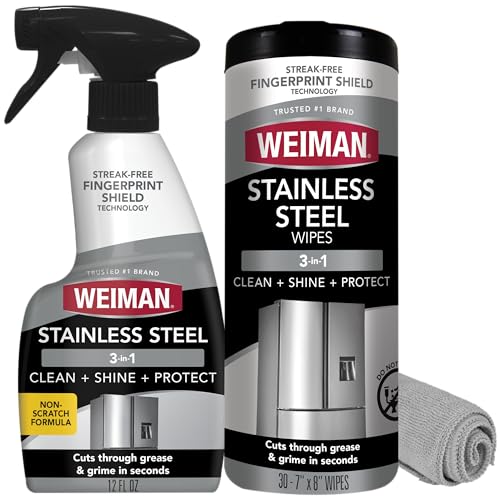
- Stainless steel grill cleaner spray or a non-abrasive cleaner formulated for stainless
- Stainless steel grill brush with scraper for scrubbing and loosening debris
- Grill cleaning kit stainless steel scrubber and scraper for tough spots and edges
- Non-scratch sponges or rags
- Bucket of warm, soapy water (dish soap works well)


Before You Start
Before cleaning, ensure the grill is completely cool and disconnected from any power source if equipped with electrical components. Remove grill grates and burners if possible, and place a protective mat or newspaper beneath the grill to catch drips. Protective gloves help prevent cuts and splashes. Plan a cleaning session that fits your schedule; a quick wipe after each use takes less time than a deep clean after months of cooking.
Step-By-Step: How To Clean A Stainless Steel Grill
- Remove all food debris from the grates using a grill brush with scraper while the grill is slightly warm; this loosens residue without excessive scrubbing.
- Discard any liquid or grease from the bottom tray or grease cup and wipe it clean with a rag.
- Soak the grates in warm, soapy water for 10–15 minutes to loosen stubborn residues.
- Scrub the grates with a stainless steel grill cleaner spray and a non-abrasive pad, rinsing frequently to avoid redepositing grime.
- Inspect burner covers and flavorizers; remove and clean or replace as needed to maintain even heat and flavor.
- Clean the interior walls with a damp cloth or sponge; wipe away any charred buildup and wipe down the exterior with a soft cloth to avoid streaks.
- Rinse the grates thoroughly and dry them completely to prevent water spots; reassemble the grill and preheat on high for 5–10 minutes to burn off any cleaning residue.
- Season the grates lightly with a thin coating of cooking oil to protect the surface and help prevent sticking during future cooks.
- Check vent settings and ensure there are no obstructions that could affect airflow or temperature control.
- Do a quick test burn with a small amount of oil on a paper towel-wiped grate, then wipe clean before cooking again.
Troubleshooting
| Symptom | Likely Cause | Fix | Prevention |
|---|---|---|---|
| Streaks on stainless steel | Residue residue or improper drying | Wipe with a clean, dry microfiber cloth; dry thoroughly | Dry after cleaning; use polishing cloth for final wipe |
| Grates still sticky after cleaning | Oil or sauce buildup | Re-clean with grill cleaner spray and scrubber | Brush grates while warm and wipe between uses |
| Uneven heat distribution | Dirty burner caps or clogged vents | Clean burner caps and vent openings | Regular maintenance of flame zones |
| Rust spots on stainless steel | Surface scratches or prolonged moisture | Lightly sand with fine steel wool, treat, and repaint with grill-safe coating | Keep grates dry and apply oil after cleaning |
Common Mistakes
- Using abrasive pads that scratch stainless steel surfaces
- Letting cleaning products sit too long on metal, causing staining
- Ignoring the grease tray, which can lead to flare-ups and buildup
- Using steel wool on etched surfaces, which can leave micro-scratches
Attention to method and tools helps maintain a pristine finish and prolongs grill life.
Tips For Best Results
- Clean grates after each use, even if only a quick wipe, to prevent stubborn buildup.
- Keep a dedicated stainless steel grill brush with scraper on hand for fast maintenance during grilling sessions.
- Schedule a deeper clean at least once per season, especially after heavy grilling or high-fat foods.
- Always rinse and dry surfaces before reassembling to avoid water spots and corrosion risk.
- Use a grill cover when not in use to protect the finish from dust and humidity.
Call A Professional
Consider professional service if the grill shows severe corrosion, persistent rust despite cleaning, gas line issues, or malfunctioning burners that require parts replacement. If you notice gas leaks, odor irritants, or irregular fuel consumption, stop using the grill and contact a qualified technician.
FAQ
How often should I clean stainless steel grill grates?
Wipe and scrub after every use and perform a deeper clean monthly during heavy grilling seasons.
Can I use household cleaners on stainless steel grill surfaces?
Use cleaners formulated for stainless steel or mild dish soap; avoid chlorine-based products that can damage finishes.
Is it safe to use a wire brush on stainless steel?
Yes, but choose a non-abrasive brush or one designed for stainless steel to minimize scratches.
What should I do if there are rust spots?
Remove rust with a fine scrub and apply a grill-safe sealant or polish; ensure surfaces are dry and protected afterward.
Should I season my grill after cleaning?
Yes, lightly oil the grates to prevent sticking and maintain a protective coating.
Buying Guide
When selecting cleaning tools for a stainless steel grill, buyers should consider size, durability, and compatibility with existing grill models. Look for tools that provide a gentle yet effective clean and resist heat exposure. Pay attention to ergonomics, handle grip, and ease of storage. A dedicated cleaning kit that includes a stainless steel scrubber and scraper, plus a compatible spray cleaner, offers a complete solution for most American grills. Noise level is typically low for brush-based kits, and results improve with regular use and proper technique. Evaluate whether to prioritize a compact kit for portable grills or a full cleaning set for larger backyard models. Consider how the tools will fit into your routine—quick post-cay use versus seasonal deep cleans. Finally, confirm that cleaners and brushes are designed for stainless steel to avoid dulling or staining the surface.
Leave a Reply