How to Clean Stainless Steel Countertops Effectively
Stainless steel countertops add a sleek, modern look to kitchens and workspaces, but keeping them pristine requires a simple, regular routine. The key is to remove smudges, fingerprints, and water spots without scratching or dulling the surface. This guide walks through a practical method using common items and the specified stainless steel products to maintain a bright, reflective finish.
With the right approach, you can minimize streaks and keep your counters looking new. The steps below emphasize gentle cleaning, quick touch-ups, and periodic polishing to preserve the protective shine that stainless steel offers.
Quick Answer
For fast results, spray a light mist of your stainless steel countertop cleaner onto the surface, wipe with a microfiber cloth in the direction of the grain, and buff to a shine. Finish with a small amount of polishing cream on a clean cloth for stubborn marks, then wipe clean. Use a non-scratch scrub pad only for hard, stuck-on debris, and clean in the same directional strokes to avoid streaks.
What You’ll Need
- Stainless steel countertop cleaner spray 32 oz with microfiber cloth — a ready-to-use spray plus a soft cloth for quick cleaning
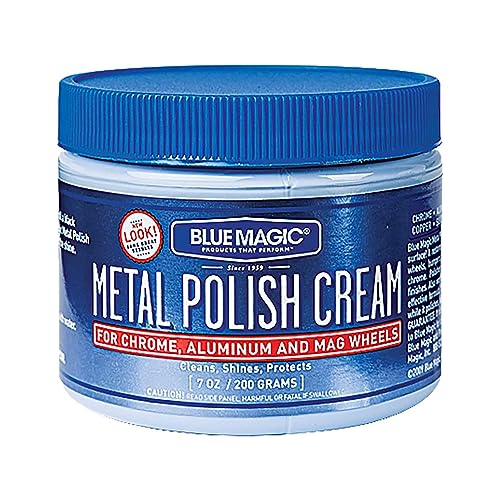
- Stainless steel countertop polishing cream 8 oz — to restore luster and minimize fine scratches
- Non-scratch scrub pad for stainless steel countertops 3×4 inches — for gentle removal of stubborn residues


Before You Start
Prepare the work area by clearing the counter and laying down a clean towel for any drips. Work in a well-ventilated space and avoid harsh chemicals that can irritate skin or surfaces. Protect adjacent surfaces that may come into contact with cleaners. Typical cleaning sessions take about 5–10 minutes, with deeper polishing needing a few extra minutes. Important: never use abrasive steel wool or caustic cleaners on a stainless steel surface, as these can scratch and dull the finish.
Step-By-Step: How To Clean Stainless Steel Countertops
- Remove loose debris and wipe the surface with a dry microfiber cloth to prevent scratching during cleaning.
- Lightly mist the countertop cleaner spray across the area you are cleaning, avoiding pooling in any crevices.
- Wipe in the direction of the grain using a microfiber cloth, applying gentle, even pressure.
- For stubborn spots or fingerprints, apply a small amount of cleaner and let it sit for a few seconds before wiping again.
- Rinse or wipe away any residue with a clean, damp cloth if the cleaner instructions require it.
- Apply a thin layer of the stainless steel polishing cream to a clean cloth and buff the surface in the direction of the grain until a soft shine returns.
- Focus on high-traffic areas and edges where smudges tend to accumulate, reapplying cream as needed in small amounts.
- Use the non-scratch scrub pad only on any persistent marks, moving gently and then wiping away with a clean cloth.
- Finish with a final pass using a fresh microfiber cloth to remove any streaks and to even out the polish.
- Inspect the countertop for uniform shine and residue; re-wipe any glow areas if necessary.
- Store cleaners and pads in a designated cabinet to keep the work area organized and ready for next use.
Troubleshooting
| Symptom | Likely Cause | Fix | Prevention |
|---|---|---|---|
| Streaks after cleaning | Residue left from cleaner or uneven buff | Wipe with a clean, dry microfiber cloth in the grain direction | Use a light, even touch and avoid over-wetting |
| Fingerprints reappear quickly | Oily residue from hands or kitchen products | Wipe with cleaner, then buff with polishing cream | Wipe down after heavy kitchen tasks (cooking oils, sauces) |
| Scratches visible | Using abrasive pads or cleaners | Switch to non-scratch scrub pad and gentle cleaners | Avoid metal tools and abrasive materials |
| Discolored or dull areas | Build-up on surface or mineral residues | Deep clean with cleaner spray, followed by polishing cream | Regular maintenance to prevent buildup |
Common Mistakes
- Using abrasive pads or steel wool on stainless steel countertops
- Applying too much cleaner leading to streaks
- Cleaning in circular motions that create swirl marks instead of grain-direction strokes
- Skipping polishing, which can dull the finish over time
Sticking to a simple routine helps maintain a pristine appearance. Regular light cleaning with the stated products reduces the effort needed for deeper refreshes.
Tips For Best Results
- Always wipe in the direction of the grain to minimize visible traces.
- Use microfiber cloths exclusively for cleaning to avoid lint and micro-scratches.
- Apply polishing cream sparingly; a little goes a long way for a lasting shine.
- Keep a dedicated non-scratch pad handily stored near the countertops for quick spot cleaning.
- Clean spills promptly to prevent staining or mineral buildup, especially from acidic foods.
Call A Professional
Consider a professional if the countertop shows deep scratches, heavy staining, or persistent dulling that does not respond to routine cleaning and polishing. Signs to seek help include loss of shine across large areas, patches that resist buffing, or changes in the surface texture. If you’re unsure about the right product compatibility with your specific stainless steel grade, a pro can assess and advise on appropriate refinishing options.
FAQ
Can I use any stainless steel cleaning spray on countertops?
Yes, provided the spray is formulated for stainless steel and safe for food-contact surfaces. Always follow the product directions and test on a small area first.
How often should I polish stainless steel countertops?
Polish every 1–2 weeks for high-traffic areas or as needed to maintain a bright finish and minimize micro-scratches.
Is it okay to use household vinegar on stainless steel countertops?
Vinegar can be used in small amounts for light cleaning, but avoid prolonged exposure or using it on matte finishes, as it may dull the sheen over time.
What should I do if cleaning residues appear after using the spray?
Wipe again with a clean microfiber cloth dampened with water, then buff dry to remove any residue and restore clarity.
Buying Guide
When choosing stainless steel countertop products, consider the following factors to ensure compatibility and results that suit American kitchens:
- <bSize and coverage: Ensure the cleaner spray bottle and polishing cream are sized for your counter area and intended use, especially for larger countertops.
- <bNoise and ease of use: Look for user-friendly spray bottles and non-scratch pads that glide smoothly without leaving particles behind.
- <bEnergy efficiency and eco-friendly options: Opt for water-based cleaners with minimal volatile organic compounds (VOCs) and refillable packaging where possible.
- <bControls and application: Choose products with clear instructions, simple spray distribution, and buffing guidance to reduce guesswork.
- <bPlacement: Consider whether you need countertop products suitable for food-prep areas, ensuring they are safe for contact with utensils and hands.
Compared perspectives help: routine maintenance vs. deep polishing, spray-based cleaners vs. creams, and quick touch-ups vs. seasonal refinishing. For best results, align your choice with your kitchen workflow, cleaning frequency, and desired shine level. If you prefer a minimal kit, the combination of cleaner spray, polishing cream, and a non-scratch pad provides a balanced approach. Ready to refresh your stainless steel counters with confidence? The right products and method make the shine pop while preserving durability.
Leave a Reply