How to Clean a Stained Phone Case
Phone cases endure daily wear, spills, and fingerprints, often accumulating unsightly stains. Proper cleaning helps restore appearance and prolongs case life. This guide provides a practical, step-by-step method using common tools to safely remove stains from a variety of phone case materials.
Quick Answer
For most stains, start with a gentle wipe using a microfiber cleaning cloth for phone case stain removal and warm, soapy water. Lightly scrub with a soft bristle cleaning brush for phone case if needed. If stains persist, consider an ultrasonic cleaner small appliance for phone case cleaning for deeper cleaning, following device-specific instructions.
What You’ll Need
- Microfiber cleaning cloth for phone case stain removal
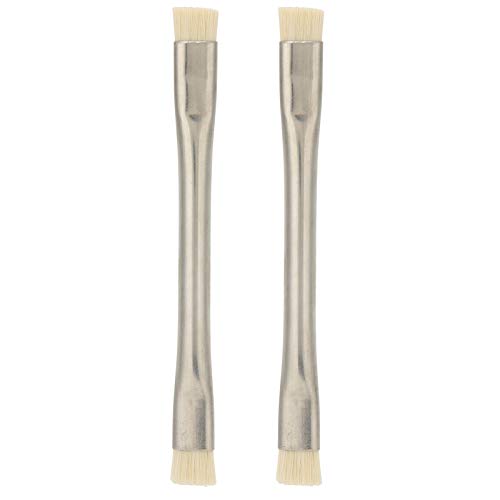
- Soft bristle cleaning brush for phone case
- Warm water
- Mild dish soap or gentle cleaning solution
- Toothpick or cotton swab for detailing
- Ultrasonic cleaner small appliance for phone case cleaning (optional for tougher grime)


Before You Start
Assess your phone case material: silicone, TPU, hard polycarbonate, or silicone hybrids respond differently to cleaners. Use a gentle solution and avoid harsh chemicals that can degrade materials or remove coatings. Clear cases may show color transfers more easily, so test a small area first. Allow the case to dry completely before reattaching it to the phone to prevent moisture damage.
Time estimate: 10–20 minutes for light cleaning; 20–40 minutes for stubborn stains or using an ultrasonic cleaner. Safety note: unplug electrical devices before using an ultrasonic cleaner and never submerge the phone itself.
Step-By-Step: How To Clean A Stained Phone Case
- Remove the case from the phone and inspect for any damage like cracks or tears. If the case is compromised, replacement is safer than cleaning.
- Rinse the case under lukewarm water to loosen surface grime. This initial rinse helps prevent scratching during scrubbing.
- Prepare a cleaning solution: a few drops of mild dish soap in warm water. Dip the microfiber cleaning cloth for phone case stain removal into the solution and wring out excess liquid.
- Wipe the case thoroughly with the damp microfiber cloth, focusing on stained areas. For translucent or light-colored cases, avoid over-wetting to prevent moisture trapped inside seams.
- If stains persist, use the soft bristle cleaning brush for phone case to gently scrub the affected areas. Use small circular motions and minimal pressure to avoid scratching.
- For stubborn or embedded stains, apply a slightly more concentrated solution to the brush or use a cotton swab to target corners and ridges. Rinse the case with clean water and wipe again with the microfiber cloth.
- If the stain remains, an ultrasonic cleaner small appliance for phone case cleaning can be used. Place the case (not the phone) in the cleaner with a mild cleaning solution and follow the device’s manual. Run a short cycle and remove promptly to air dry.
- Dry the case completely with a fresh microfiber cloth. Leave it in a well-ventilated area for several hours to ensure all moisture has evaporated before reinstalling on the device.
- Reinspect the case for remaining stains. Repeat only if necessary, using the gentlest method that yields results to avoid material wear.
- Reattach the case to the phone and test the fit. If the color transfer reappears, consider alternate cleaning methods or a different case material in the future.
- Document any recurrent stains to adjust cleaning frequency or consider a protective coating if compatible with your case material.
Troubleshooting
| Symptom | Likely Cause | Fix | Prevention |
|---|---|---|---|
| Stains persist after cleaning | Deep-set pigment or dye transfer | Try ultrasonic cleaning per manufacturer instructions | Choose stain-resistant materials; wipe spills promptly |
| Case becomes tacky after cleaning | Residue from cleaning solution | Rinse thoroughly and dry completely | Use milder solutions; avoid leaving soapy film |
| Case shows discoloration after drying | Color bleed from dark dyes | Stop using that case for similar stains; consider lighter colors | Test spot before full cleaning |
| Scratches appear after brushing | Excessive pressure or abrasive materials | Lighten pressure; switch to softer bristles | Always use non-abrasive tools |
Common Mistakes
- Using strong solvents on silicone or TPU cases
- Submerging the phone in water or liquids while the case is on the device
- Rubbing vigorously with rough brushes that can scratch the surface
- Not drying the case completely before reusing it
Tips For Best Results
- Establish a regular cleaning routine to prevent heavy staining.
- Use a dedicated microfiber cloth for cleaning to avoid cross-contamination from other surfaces.
- For opaque or dark cases, try a gentle stain booster like a small amount of baking soda paste on a cloth, then rinse thoroughly.
- If using an ultrasonic cleaner, follow the manufacturer’s guidance to avoid overheating or material damage.
- Keep cases away from high heat and direct sunlight while drying to preserve color and elasticity.
Call A Professional
Seek professional help if the case has significant structural damage, if stains involve unknown chemical exposure, or if cleaning attempts could compromise water resistance features. Stop cleaning and consult a technician if you notice warping, cracking, or if the case no longer fits securely.
FAQ
Can I clean a phone case with dish soap and water?
Yes, a mild dish soap solution with a microfiber cloth is effective for most cases and stains.
Is an ultrasonic cleaner safe for all phone cases?
Ultrasonic cleaners are generally safe for hard plastic and silicone cases, but avoid using on textured or delicate materials without checking the manufacturer’s guidance.
How often should I clean my phone case?
Clean your case weekly if it sees heavy use; otherwise, a quick wipe every few days helps maintain cleanliness.
What should I do about color transfer from dyes?
Color transfer can be stubborn; use a gentle cleaning approach first and consider lighter color cases to reduce visibility of future transfers.
Can I use bleach or alcohol on a phone case?
Bleach and alcohol can damage certain plastics and coatings; avoid unless the case manufacturer explicitly approves.
What if the stain reappears after cleaning?
Stains may reappear due to dye migration from the case or underlying materials. Consider replacing the case with a colorfast option.
Buying Guide
When choosing a new phone case, consider size, material, and maintenance needs. Factors like colorfastness, ease of cleaning, and compatibility with wireless charging can influence long-term satisfaction. Think about how often you expect to clean the case and whether a stain-prone environment (coffee shops, gyms, kids’ spaces) warrants a more stain-resistant material. For those who frequently deal with spills, a case made from durable silicone or polycarbonate blends can simplify maintenance.
Key buying factors include:
- Size and fit — ensure precise compatibility with your phone model to maintain protection and access to ports.
- Material — silicone, TPU, and polycarbonate each have different cleaning tolerances and staining tendencies.
- Noise and feel — consider whether you prefer a sleek, minimal feel or a grippier surface that resists slipping.
- Energy efficiency — not directly applicable to cases, but consider low-impact manufacturing or recycled materials if you prioritize sustainability.
- Controls and accessibility — verify that all buttons and ports are easy to use with the case on.
- Placement — for desk setup, choose a low-profile case that won’t interfere with charging pads or stands.
If you evaluate these factors and align them with your cleaning needs—especially stain resistance and ease of restoration—you’ll select a case that stays looking good longer and is easier to care for over time.
Leave a Reply