How to Clean Stained Laminate Countertops
Laminate countertops are a popular, affordable choice for many American kitchens. Proper cleaning and stain removal can restore their appearance without damaging the surface. This guide provides practical steps, recommended tools, and best practices to keep laminate looking like new.
Quick Answer
Act quickly on spills to prevent staining. For most stains, use a gentle cleaner and a non-scratch scrubber, then wipe dry. For tougher marks, apply a dedicated laminate stain remover and buff with a soft pad. Always test cleaners in a small, inconspicuous area first.
What You’ll Need
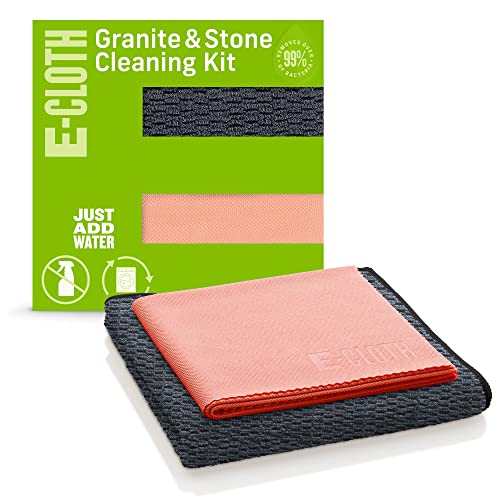
- Laminate countertop cleaner kit with microfiber cloths and non-scratch pad
- Non-scratch sponge scrubber 4 inch for laminate countertops
- Laminate countertop stain remover kit with buffing pad


Before You Start
Clear the counter and remove any items that could snag or scratch the surface. Work in a well-lit area to spot marks clearly. Read product labels and avoid abrasive tools unless they are explicitly safe for laminate. Test cleaners in a small corner to ensure no discoloration occurs. Expect a 20–40 minute process for a thorough cleaning, depending on stain severity.
Step-By-Step: How To Clean Stained Laminate Countertops
- Fill a spray bottle with a mild laminate-safe cleaner or a 1:1 mixture of warm water and gentle dish soap.
- Apply cleaner to the stained area and let it sit for 1–2 minutes to loosen grime.
- Gently scrub with a non-scratch sponge scrubber, using circular motions to lift particles.
- Wipe away residue with a microfiber cloth, then dry the surface to prevent streaks.
- If stains persist, apply a laminate-specific stain remover kit with buffing pad according to the package directions.
- Buff the treated area with the included buffing pad until the stain fades and the surface shines.
- Rinse the area with a clean cloth dampened with water to remove any cleaner residue.
- Dry and inspect. Repeat only if necessary, avoiding excessive scrubbing that could dull the finish.
Troubleshooting
| Symptom | Likely Cause | Fix | Prevention |
|---|---|---|---|
| Stain remains after cleaning | Deep-set stain or oily residue | Use laminate stain remover kit with buffing pad following directions | Wipe spills promptly; use a protective mat for heavy use areas |
| Scratch marks appear | Coarse scrubber used | Switch to non-scratch sponge and soft cloth | Avoid abrasive tools; test cleaners first |
| Cloudy or dull finish | Residue left on surface | Rinse thoroughly and buff with microfiber cloth | Rinse after cleaning and dry completely |
| Color transfer from dyes | Strong pigment from foods or cleaners | Use proven laminate-safe products and avoid harsh solvents | Seal with a routine cleaning regimen |
Common Mistakes To Avoid
- Using abrasive pads or cleaners that scratch the laminate surface
- Leaving cleaner residue, which dulls the finish
- Over-wetting the counter, which can seep into seams
- Trying to scrub tough stains with force instead of proper products
Sticking to recommended tools, like a non-scratch sponge scrubber and the laminate stain remover kit, helps prevent these issues and preserves the countertop’s appearance.
Tips For Best Results
- Always test cleaners on a hidden corner first to avoid discoloration.
- Use microfiber cloths to lift grime without leaving lint or streaks.
- Work in small sections to ensure even cleaning and quick drying.
- Keep a dedicated laminate-safe kit handy for quick touch-ups.
- Seal high-use areas with a light protective pass each month to maintain luster.
Call A Professional
Seek professional help if there is extensive damage, lifting edges, warping, or persistent stains that do not respond to recommended products. Also contact a pro if you notice recurring moisture intrusion around seams or cracks that could compromise the laminate’s integrity.
FAQ
Can I use vinegar on laminate countertops?
Vinegar can be used in small amounts with water, but avoid repeatedly applying acidic solutions in concentrated form as they may dull the finish over time.
Are there safer alternatives to bleach for stains?
Yes, use laminate-safe stain removers or mild cleaners specifically designed for laminated surfaces to prevent damage.
How do I prevent stains after cleaning?
Rinse and dry thoroughly, wipe up spills promptly, and use coasters or mats under containers to minimize staining opportunities.
What routine maintenance helps laminate countertops last longer?
Regular light cleaning, avoiding abrasive tools, and occasional buffing with a microfiber cloth keeps the surface looking fresh.
Is it okay to use hot pans on laminate counters?
Direct heat can cause damage; always use trivets or heat mats to protect the surface.
Buying Guide
When choosing products to clean and restore stained laminate countertops, consider the following factors:
- Size and scope: For small kitchens, a compact laminate cleaner kit may suffice; larger areas may benefit from a multi-pack kit with buffing pads.
- Noise level: Some polishing pads and buffers operate quietly, which is convenient in open-plan spaces or during early morning cleaning.
- Energy efficiency: While cleaning tools don’t draw much power, choose battery-powered buffers or low-energy options if you prefer cordless tools.
- Controls and usability: Look for simple spray applicators, clear instructions, and pads that are easy to replace or wash.
- Placement and storage: Opt for compact kits that store neatly under the sink without crowding counter space.
- Compatibility: Ensure cleaners and pads are labeled safe for laminate countertops to prevent dulling or discoloration.
- Maintenance supplies: Keep microfiber cloths and non-scratch pads ready for quick touch-ups between deep cleans.
With the right kit and a sensible maintenance routine, stained laminate countertops can look near-new and continue to serve reliably in busy American kitchens.
Leave a Reply