How to Clean Squishy Toys Safely and Effectively
Squishy toys are popular for stress relief and sensory play, but keeping them clean requires care to avoid damage. This guide provides a practical, step-by-step approach for American households, using common tools to refresh and sanitize squishy toys without compromising their texture or color.
Quick Answer
To clean squishy toys quickly, rinse with warm water, gently scrub with a soft-bristle cleaning brush, wipe with a microfiber cloth, rinse again, and air-dry completely. For stubborn grime, soak briefly in a mild soap solution before scrubbing.
What You’ll Need
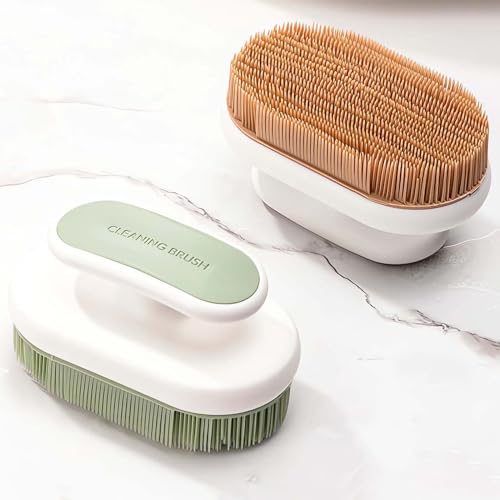
- Soft-bristle silicone cleaning brush for toys
- Microfiber cloth for delicate toy cleaning
- Baby bottle brush set for squishy toy cleaning


Before You Start
Prepare a clean workspace and gather the tools listed above. Inspect toys for tears or loose seams before cleaning; water can seep into damaged areas and worsen the material. Use lukewarm water and a mild soap if needed, avoiding harsh detergents or bleach that can degrade texture or color. Allow ample time for the toys to dry completely to prevent mold growth.
Step-By-Step: How To Clean Squishy Toys
- Rinse the toy under lukewarm running water to remove surface dust and grime.
- Dip the toy into a shallow bowl of warm water mixed with a small amount of mild soap if needed.
- Use the soft-bristle silicone cleaning brush for toys to gently scrub all surfaces, paying attention to textured areas.
- For tight spots, switch to the baby bottle brush set for squishy toy cleaning to reach crevices without applying excessive pressure.
- Rinse thoroughly with clean water to remove soap residue.
- Gently blot excess moisture with a microfiber cloth for delicate toy cleaning, then air-dry on a clean surface away from direct heat.
- Check for remaining grime; repeat steps if necessary, ensuring the toy is fully dry before storage.
- Store in a cool, dry place once completely dry to prevent mildew and odors.
Troubleshooting
| Symptom | Likely Cause | Fix | Prevention |
|---|---|---|---|
| Residual soap smell | Insufficient rinsing | Rinse again with clean water until scent disappears | Rinse thoroughly after cleaning |
| Color fading or bleeding | Harsh cleaners or overexposure to sun | Use mild soap and shadow-dry away from sunlight | Avoid strong chemicals; store away from sunlight |
| Texture feels tacky | Soap residue or incomplete drying | Extra rinse and thorough air-dry | Ensure complete drying before storage |
| Mold or odors after storage | Moisture trapped during cleaning | Dry completely; consider a brief sun-free air-out | Dry thoroughly and store ventilated |
Common Mistakes
- Using harsh detergents or bleach on squishy toys, which can damage the material
- Over soaking toys, especially if seams are weak
- Rushing drying and storing while still damp
- Using stiff brushes that scar or tear the surface
Sticking to gentle tools and proper drying helps extend the life of squishy toys and keeps them safe for play.
Tips For Best Results
- Test a small, inconspicuous area first if the toy has unique paints or finishes
- Clean regularly to prevent buildup of oils from hands and skin
- Wash with warm water rather than hot to protect elasticity
- Replace worn brushes if the bristles become stiff or frayed
- Store toys in a dry, well-ventilated area to maintain texture and hygiene
Call A Professional
Seek professional help if a squishy toy has visible tears, lost elasticity, or persistent mold that cannot be cleaned safely at home. Signs space where liquid seeps through, or if cleaning worsens a blemish, stop and consult a toy care expert or manufacturer guidance.
FAQ
Can I use dish soap to clean squishy toys?
Yes, a mild dish soap diluted in warm water is typically safe, but avoid strong or scented cleaners that may irritate sensitive materials.
How long should a squishy toy dry after cleaning?
Allow at least 4–6 hours, or overnight if possible, to ensure all moisture evaporates completely.
Is it safe to soak squishy toys?
Light soaking for a brief period is usually fine for non-porous toys, but avoid long soaks if seams are loose or material looks fragile.
What if a toy changes color after cleaning?
Discontinue use and contact the manufacturer for guidance; some pigments may be sensitive to cleaners.
Are squishy toys dishwasher-safe?
Most squishy toys should not go through a dishwasher due to high heat and strong detergents; hand cleaning is recommended.
Buying Guide
When selecting tools for cleaning squishy toys, consider size, material, and ease of use. For most households, a dedicated soft-bristle silicone cleaning brush for toys, a microfiber cloth for delicate cleaning, and a baby bottle brush set for tight spots cover common needs effectively. Look for brushes with gentle, non-abrasive bristles and a comfortable grip. Durability matters, as these tools will contact various textures and paints. A compact, multi-brush kit can simplify routine cleanups.
Choosing the right tools also depends on the toy material and sensitivity. If a toy has delicate finishes, prioritize microfiber cloths and softer brushes to minimize wear. For larger squishy items, select longer brushes to reach deeper areas without excessive scrubbing. Consider storage solutions that keep tools organized and ready for quick cleaning sessions.
Size and placement matter for storage: a ventilated bin or basket in a closet or playroom keeps toys dry and prevents musty odors. Noise level is less critical for these tools, but ergonomics and grip comfort improve cleaning efficiency. Energy efficiency is not a major factor here, but choosing reusable microfiber cloths reduces waste and environmental impact.
Leave a Reply