How to Clean Spray Foam Off Hands
Spray polyurethane foam (SPF) can cling to skin during projects, especially when mixing or handling cans. Cleaning it promptly helps prevent skin irritation and makes cleanup easier. This guide provides practical steps, tools, and tips to safely remove SPF from hands using common household cleaners and the right protective gear.
Quick Answer
Act quickly to wipe away excess foam, then use a solvent-safe method for complete removal. Rinse with soap and water, and moisturize afterward to protect skin. For stubborn residue, repeat or use a specialty cleaner designed for polyurethane foam.
What You’ll Need
- Chemical resistant nitrile gloves for protection
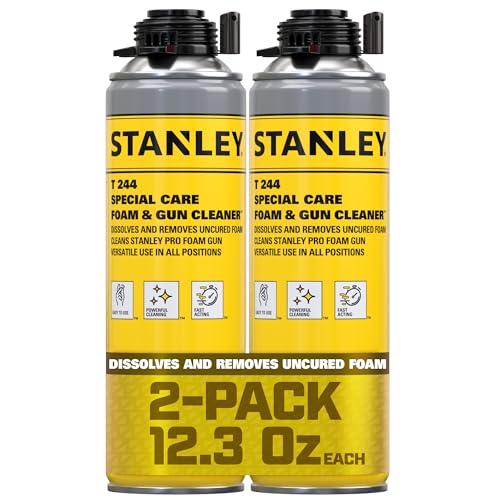
- Heavy duty hand cleaner solvent suitable for polyurethane foam cleanup
- Polyurethane foam cleanup wipes or isopropyl alcohol hand cleaner
- Warm water and mild soap
- Moisturizing lotion or barrier cream
- Optional: acetone-free nail polish remover (only if skin tolerates it)


Before You Start
Prepare a clean work area and have your cleaning supplies within reach. Ventilate the area to avoid fumes. If skin is irritated or has open wounds, avoid direct contact with solvents and seek medical advice. Time estimates vary: initial cleanup takes 5–15 minutes, full residue removal may take 15–30 minutes. Wear protective gloves during all cleanup steps to prevent further contact.
Step-By-Step: How To Clean Spray Foam Off Hands
- Gently peel away any large, fresh foam with gloved hands; avoid pulling to prevent skin damage.
- Wipe the hands with a heavy duty hand cleaner solvent or polyurethane foam cleanup wipes to dissolve surface residue.
- Rinse hands under warm water and work a mild soap into a lather, focusing on foam-covered areas.
- If foam remains, apply a second round of solvent cleaner and rub until visibly reduced.
- Rinse again and blot dry with a clean towel; do not scrub aggressively, which can irritate skin.
- Apply a fragrance-free moisturizer or barrier cream to restore skin oils after cleaning.
- For stubborn spots, repeat the solvent-and-soap cycle once more, using the least aggressive option that works.
- Dispose of used wipes and soiled towels properly; wash gloves if reusing or replace if contaminated.
- Inspect nails and cuticles; trim any rough edges if needed and reapply lotion.
- Clean the workspace to prevent recontamination and wipe down tools used for cleanup.
- Store cleaners and gloves in a cool, dry place away from heat or open flames.
Troubleshooting
| Symptom | Likely Cause | Fix | Prevention |
|---|---|---|---|
| Foam remains after first cleanup | Residue on skin | Repeat solvent clean and soap wash | Clean promptly during application |
| Stinging or redness | Chemical sensitivity | Rinse with water, stop using solvent, seek guidance | Wear protective gloves; test cleaners on small area first |
| Dry, irritated skin | Repeated cleaning dries skin | Apply fragrance-free moisturizer | Limit exposure; wear gloves consistently |
| Foam smeared under nails | Foam reached under fingertips | Use a soft brush with soap and water | Short nails or manicure before work |
Common Mistakes
- Trying to peel off cured foam, which can injure skin
- Using aggressive solvents without gloves
- Rushing cleanup and skipping soap after solvent use
- Ignoring skin irritation; continuing with work
Proper technique and protection reduce cleanup time and skin irritation. Always follow product safety data sheets for cleaners used on SPF residue.
Tips For Best Results
- Have a dedicated cleanup kit with gloves, wipes, and cleaners ready before starting an SPF project.
- Test cleaners on a small skin patch first to gauge sensitivity.
- Keep acetone-free products handy; some solvents can be harsh on skin.
- Moisturize immediately after cleaning to restore skin barrier function.
- Work in a well-ventilated area to minimize inhalation exposure to fumes.
Call A Professional
Seek professional help if there is extensive skin exposure, persistent irritation, or allergic reactions. If exposure involves large areas or open wounds, contact a healthcare provider promptly. Do not rely on general remedies for severe reactions.
FAQ
Can I use regular hand soap to remove spray foam?
Regular soap helps remove surface oils, but solvent-based cleaners are often more effective for SPF residue.
Is isopropyl alcohol safe for skin cleanup?
Isopropyl alcohol can be effective but may be drying; use in moderation and moisturize after use.
Should I remove foam before it cures?
Yes; removing foam while it is still pliable reduces risk of stubborn residue and skin irritation.
What if foam cures on my skin?
Do not pull; soak with a gentle solvent cleaner and soap, then rinse. If irritation occurs, seek medical advice.
Are there safer alternatives for sensitive skin?
Look for low-toxicity, skin-friendly cleaners and ensure proper PPE to minimize skin contact.
Can I reuse gloves after cleaning?
Gloves used for cleanup should be inspected and replaced if contaminated or compromised.
Is cured foam harder to remove?
Yes; cured foam requires more aggressive cleaning or professional removal methods if it contacts skin unexpectedly.
Buying Guide
When choosing products for spray foam cleanup, consider size, noise level, and efficiency of the cleaners. The right tools help reduce skin exposure and improve cleanup speed without damaging skin or surfaces. For gloves, select chemical resistant options and ensure a proper fit to maintain dexterity. For solvents, check compatibility with skin and materials, and prefer products labeled for polyurethane foam cleanup. Consider placement—keep cleaners near the workbench for quick access while using SPF products to minimize skin contact.
Leave a Reply