How to Clean Spots on Carpet
Spot cleaning on carpet can be quick and effective when you use the right tools and a methodical approach. This guide walks through practical steps to lift stains, freshen fibers, and prevent future spots from setting. It focuses on common residential spots and uses accessible equipment you might already own or can easily rent or buy.
Whether you’re dealing with coffee spills, pet accidents, or everyday grime, understanding the right technique helps protect carpet fibers and extend carpet life. The following sections provide a clear, actionable plan backed by practical tips that work in real homes.
Quick Answer
For fast spot removal, blot up excess liquid, apply a small amount of cleaner, work from the outside in, and rinse with a clean damp cloth. If the stain persists, repeat and consider using a portable carpet stain extractor machine for deeper extraction.
What You’ll Need
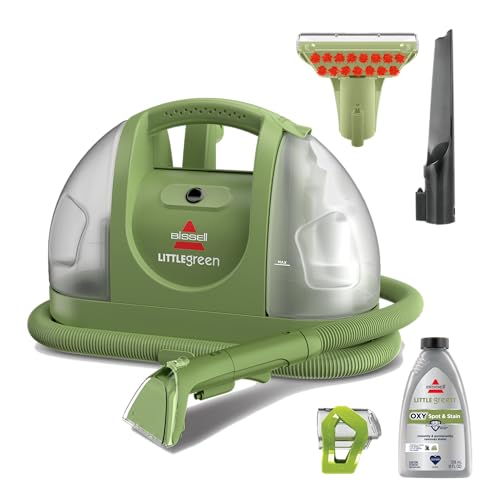
- Portable carpet stain extractor machine
- Handheld carpet cleaning brush and stain remover
- Carpet spot cleaner handheld extractor
- Clean white cloths or paper towels
- Spray bottle with clean water
- Mild carpet cleaning solution or recommended stain remover
- Microfiber towels for final drying


Before You Start
Identify the stain type and test any cleaner in an inconspicuous area to check for colorfastness. Work on a small, contained area to avoid spreading. Avoid rubbing aggressively, which can embed the stain deeper into fibers. Plan for 10–30 minutes of active cleaning plus drying time, depending on stain size.
Step-By-Step: How To Clean Spots On Carpet
- Blot the spill with a clean cloth to remove as much liquid as possible. Avoid scrubbing, which can push stain deeper.
- Apply cleaner lightly to the stain, following label instructions. Use the cleaner that matches the stain type (protein-based, oil-based, etc.).
- Agitate gently with a handheld carpet cleaning brush and stain remover to lift soil from fibers, working from the outside toward the center.
- Rinse the area with a small amount of clean water to neutralize cleaner residue. Blot with a dry cloth to remove moisture.
- Extract moisture with a portable carpet stain extractor machine or carpet spot cleaner handheld extractor to remove embedded liquid and soil.
- Repeat as needed for stubborn stains, applying cleaner and extracting moisture until the cloth stays clean.
- Dry the spot by pressing microfiber towels onto the area or using a fan to accelerate drying. Avoid walking on the damp spot until fully dry.
- Check for residue once dry. If a stain remains, repeat steps with a slightly stronger cleaner or switch products designed for the stain type.
- Brush the fibers lightly with a clean brush once dry to restore carpet texture and lift any compacted fibers.
- Prevent future spots by applying a carpet protector spray after cleaning if desired, and treat spills promptly in the future.
- Evaluate after cleaning look at the area in different lighting to ensure uniform appearance and color match with surrounding carpet.
Troubleshooting
| Symptom | Likely Cause | Fix | Prevention |
|---|---|---|---|
| Stain reappears after drying | Stain wasn’t fully removed or stain set | Repeat cleaning steps; consider a stronger stain remover or professional extraction | Treat spills promptly; use protective barriers for high-risk areas |
| Residue left after cleaning | Too much cleaner or improper rinsing | Rinse area thoroughly with clean water and blot | Follow product instructions; use minimal solution per area |
| Fibers feel stiff or crunchy | Excess cleaner or improper drying | Blot with clean water and dry thoroughly | Favor minimal solution and thorough drying |
| Color change in carpet | Cleaner not compatible with carpet dye | Stop and test small area; switch to dye-safe products | Always test cleaners in hidden areas |
Common Mistakes
- Over-wetting the spot, which can lead to mold or extended drying times.
- Rubbing hard, which spreads stain fibers and embeds color.
- Using hot water on protein-based stains like dairy or blood, which can set the stain.
- Ignoring manufacturer guidelines for cleaners or stain removers.
Sticking to gentle, tested methods reduces risk and improves results. A patient, measured approach often yields the cleanest carpet without damaging fibers.
Tips For Best Results
- Test cleaners in an inconspicuous area before applying to visible spots.
- Work from the outside edge of the stain toward the center to prevent spreading.
- Use a clean, absorbent cloth for blotting rather than reusing stained towels.
- Work in low-traffic bursts to allow sufficient drying time between passes.
- Consider renting or owning a portable carpet stain extractor for tougher jobs.
Call A Professional
Seek professional help if a stain covers a large area (more than a few square feet), if the carpet is valuable or delicate, or if odors persist after cleaning. Contact a pro when stains reappear after multiple attempts or if there are underlying issues like persistent moisture or recurring spills.
FAQ
What’s the fastest way to remove a fresh spill?
Blot first, then apply a small amount of cleaner and blot again. Use a portable extractor for extra moisture control if available.
Can I use household dish soap on carpet stains?
Typically not recommended; use a cleaner specifically designed for carpets to avoid residue and fiber damage.
Is it safe to use hot water for all stains?
No. Hot water can set protein-based stains and should be avoided on those stains.
How often should I deep-clean high-traffic areas?
Deep cleaning every 6–12 months helps maintain appearance and longevity, more often in busy households or with pets.
Do I need to hire a professional for pet urine?
Persistent urine odors or large areas may require professional treatment to fully extract moisture and neutralize odors.
Should I use carpet protectors after cleaning?
Carpet protectors can help reduce re-soiling and make future cleaning easier, especially in high-traffic rooms.
Can I mix cleaners?
Avoid mixing cleaners; always follow label directions and test compatibility in a hidden area before broad use.
Buying Guide
When selecting tools for spot cleaning, consider size, power, and portability. A portable carpet stain extractor machine offers deep extraction for tougher spots and is convenient for stairs and small corners. A carpet spot cleaner handheld extractor provides targeted power for quick refreshes. For light, everyday spills, a handheld carpet cleaning brush and stain remover paired with standard cleaners can handle most incidents.
Key factors include size and weight for easy maneuverability, noise level for home use, and energy efficiency if you plan frequent extractions. Look for models with adjustable suction and heat options, simple controls, and compatible cleaning solutions. Consider placement: a compact unit fits under sinks or in closets, while larger models suit basements and garages.
Compare features like reservoir capacity, dry time, and the availability of replacement parts. If you have pets or children, prioritize a machine with strong suction and easy-to-clean components. For renters, a lightweight handheld extractor with a versatile brush may meet most needs without committing to a heavier machine.
Leave a Reply