How to Clean Spit Up Off the Couch
Spit up on the couch can happen to any family, especially with kids and pets. This practical guide walks through safe, effective methods to remove stains and odors from common upholstery fabrics. The steps balance quick-acting cleaning with longer-term fabric care to keep furniture looking fresh.
By following a straightforward routine and using the right tools, a damp stain can be treated without soaking the cushion or damaging the fabric. The goal is to lift the mess, neutralize odor, and restore the couch’s appearance with minimal friction on delicate fibers.
Quick Answer
Fast cleanup plan: Blot excess liquid, apply an upholstery stain remover spray, gently work in with microfiber cloths, then finish with a portable fabric steam cleaner for upholstery to lift remaining residue and sanitize. Always test in an inconspicuous area first.
What You’ll Need
- Upholstery stain remover spray 32 oz couch cleaner
- Portable fabric steam cleaner for upholstery couch furniture
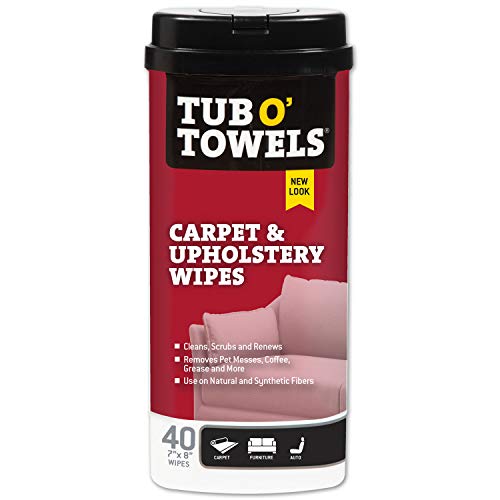
- Microfiber cleaning cloths set for upholstery couch cleaning
- Clean water and towels for blotting
- Optional gentle fabric brush for nap restoration


Before You Start
Prepare the area by removing cushions and protecting nearby surfaces. Read fabric care labels to confirm water usage and chemical compatibility. Perform a spot test in a hidden area to check for colorfastness. Expect to spend about 20–60 minutes on the initial cleanup plus additional drying time, depending on fabric type and cushion depth.
Key cautions: Do not saturate the fabric, avoid hot water on certain fibers, and never mix cleaning products unless the instructions explicitly permit it. If the stain has set or involves oil-based substances, adjust methods or seek professional help.
Step-By-Step: How To Clean Spit Up Off The Couch
- Blot the spill with a clean cloth to remove as much liquid as possible without rubbing deeper into the fabric.
- Apply upholstery stain remover spray to the affected area according to the label directions, ensuring even coverage without oversaturating.
- Gently agitate the fabric with a microfiber cleaning cloth to help lift the stain from the fibers.
- Rinse with light moisture using a damp cloth to remove residue from the cleaner and avoid leaving sticky film behind.
- Use a portable fabric steam cleaner on the upholstery section to lift remaining soils and sanitize the surface. Follow the device’s guidelines for fabric types and heat settings.
- Blot and dry the area with a dry microfiber cloth and allow to air dry completely. Fluff nap fibers gently after drying if needed.
- Check for remaining stain and repeat steps if necessary, focusing on areas where the stain lingered.
- Protect the fabric with a stain-repellent product if recommended by the cleaner and fabric type.
- Return cushions once the area is fully dry, ensuring even moisture distribution to avoid mold or odor.
- Optional touch-up brush fibers lightly to restore fabric texture and uniform appearance.
- Monitor for odors over the next 24–48 hours and re-clean if necessary to remove any lingering scent.
- Document the method for future spills, noting fabric type and any product settings that worked well.
Troubleshooting
| Symptom | Likely Cause | Fix | Prevention |
|---|---|---|---|
| Stain reappears after drying | Undissolved residue or absorbed oils | Repeat cleaning with stain remover and steam | Act quickly; blot rather than rub |
| Fabric feels stiff after cleaning | Over-wetting or residue from cleaner | Rinse and blot thoroughly, then air dry | Use minimal moisture and light agitation |
| Color fading in treated area | Aggressive chemical or water exposure | Test spot, switch to milder cleaner | Always test before full application |
| Odor persists | Spill dried into cushion core | Deep clean with steam and deodorizing spray if recommended | Ventilate area while drying |
Common Mistakes
- Using hot water on delicate fabrics, which can set stains
- Over-soaking cushions, leading to mold growth or warped cushions
- Rubbing aggressively, which can fray fibers or spread the stain
- Not testing cleaners on a hidden area before full application
- Ignoring odors and failing to dry thoroughly before use
Tips For Best Results
For best outcomes, use a microfiber cleaning cloths set for upholstery couch cleaning to lift soils without abrasion. Work in small, circular motions and follow with a portable fabric steam cleaner for upholstery couch furniture to sanitize. Maintain consistent upper-limb pressure to prevent fiber distortion and ensure even cleaning across cushions. Keep a routine cleanup plan for future spills to minimize staining.
Call A Professional
Call a professional if any of the following apply: recurring spills on a delicate fabric (such as suede or velvet), stains that involve dye transfer, widespread discoloration, or if cleaning attempts fail to remove odor after repeated treatments. Professional services can assess fabric compatibility and use equipment that preserves cushion structure and color integrity.
FAQ
What should I do first when spit up hits the couch?
Blot the spill immediately to remove excess liquid, then treat with an upholstery stain remover spray following the product directions.
Is it safe to use steam on all couches?
No. Check fabric care labels and test a hidden area before steaming, as some fabrics may be sensitive to heat or moisture.
Can I use laundry stain removers on couches?
Avoid general laundry products unless the label confirms upholstery compatibility. Use products designed for furniture fabrics.
How long does the couch take to dry after cleaning?
Drying times vary by fabric and cushion depth, typically 30 minutes to several hours. Ensure adequate ventilation and avoid sitting on the area until fully dry.
Buying Guide
Choosing the right tools for couch cleaning combines efficiency with fabric care. Consider the following factors to optimize stain removal and overall upholstery maintenance.
- <bSize and coverage: Select a spray bottle with sufficient coverage for your typical spill area. A larger bottle can be more economical for frequent messes.
- <bNoise level and ease of use: A compact, quiet steam cleaner is convenient for living spaces without disturbing occupants.
- <bEnergy efficiency: Look for energy-efficient devices with smart heat settings and quick cooldown to conserve power.
- <bControls: Simple controls with clear instructions help prevent over-wetting and misuse on delicate fabrics.
- <bPlacement: Keep tools within reach of common spill zones (living room sofas, family rooms) but store away from children and pets when not in use.
When evaluating options, compare upholstery stain remover spray 32 oz couch cleaner against more general products, and assess compatibility with microfiber cleaning cloths set for upholstery couch cleaning. The goal is a balance of fast action, fabric safety, and ease of maintenance.
Leave a Reply