How to Clean Spilled Milk Quickly and Safely
Spilled milk can cause sticky residue and odors if not dealt with promptly. This guide walks through a practical, step-by-step method using common tools to minimize mess and protect fabrics and surfaces. The approach focuses on fast absorption, thorough cleaning, and odor prevention.
Quick Answer
Act fast: blot the spill to remove liquid, use an absorbent microfiber cloth for milk spills, then clean the area with warm water and a mild cleaner. Rinse, blot dry, and allow the surface to air dry to prevent staining and odors.
What You’ll Need
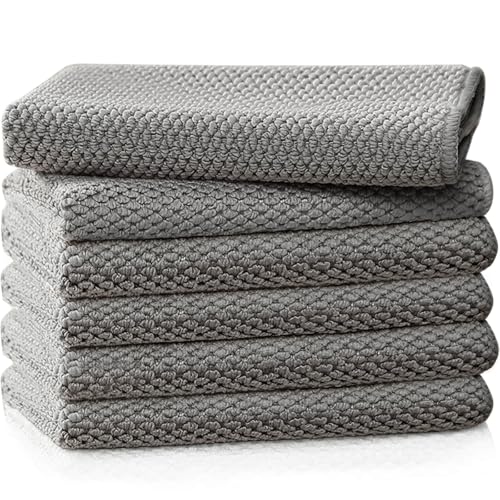
- microfiber cleaning cloth for milk spills or equivalent absorbent cloth
- absorbent microfiber towel for liquid spill cleanup for lifting remaining moisture
- spill cleanup kit with absorbent pads and towels for larger spills
- Warm water and mild dish soap
- White vinegar or baking soda (for odor control, optional)
- Old towels or disposable paper towels for blotting
- Spotting brush or sponge (for fabrics)
- Lint-free spray bottle (for gentle rinsing)


Before You Start
Act quickly to prevent staining. Move furniture or delicate items away from the spill area. If the spill is on fabric or carpet, test a small hidden area first with a mild solution to ensure colorfastness. Wear gloves if cleaning large spills to protect skin and avoid mixing cleaning agents that could create fumes. Time estimate: 5–15 minutes for small spills, longer for fabrics or carpets.
Step-By-Step: How To Clean Spilled Milk
- Contain the spill by blotting with a dry microfiber cloth or paper towels to absorb as much liquid as possible without rubbing it in.
- Place a dry absorbent cloth over the spill and apply light pressure to lift moisture from the surface.
- For hard surfaces, mix a small amount of mild dish soap with warm water. Dampen a microfiber cleaning cloth and wipe the area in gentle, circular motions.
- Rinse the area with a clean, damp cloth to remove soap residue. Avoid saturating porous materials like carpet or upholstery.
- If odor remains, spray a solution of equal parts water and white vinegar on the area, then blot and air dry. Alternatively, sprinkle baking soda after drying to neutralize odors.
- On fabrics, use a soft brush to lift fibers and prevent staining. Repeat mild cleaning steps as needed, then blot dry with a clean towel.
- Dry thoroughly by blotting with a dry microfiber towel and allowing air flow to the area. If possible, use a fan or open window to speed drying.
- For carpets, consider a second pass with a clean, damp microfiber cloth to lift any residual residue, followed by blotting until dry.
- Inspect the area once dry. If staining persists, treat with a fabric-safe stain remover following product instructions.
- Dispose of used towels or cloths in a trash bag and wash reusable towels separately if needed.
- Return the area to normal use once completely dry to prevent moisture buildup.
Troubleshooting
| Symptom | Likely Cause | Fix | Prevention |
|---|---|---|---|
| Persistent odor after cleaning | Moisture trapped in fibers | Apply baking soda, let sit, then vacuum; repeat if needed | Dry thoroughly and ventilate after spills |
| Stain remains on fabric | Colorfastness issue or deep-set stain | Use a fabric-safe stain remover as directed | Blot immediately; avoid rubbing |
| Residue on hard surface | Soap film | Rinse with clean water and wipe dry | Don’t over-wet porous surfaces |
| Color transfer on carpet | Porous material absorbing dye | Fresh cushion with water and blot, then treat with appropriate cleaner | Test cleaner in hidden area first |
Common Mistakes
- Rubbing the spill, which spreads liquid and embeds stains
- Over-wetting carpets or upholstery, causing mold risk
- Using hot water on milk spills, which can set proteins
- Skipping drying time, leading to lingering odor
Tips For Best Results
Use microfiber cleaning cloth for milk spills to lift moisture efficiently, and switch to a fresh towel as needed to prevent re-depositing milk. Work from the outside edge of the spill toward the center to prevent spreading. For delicate fabrics, work slowly and test a hidden area first. If many spills occur, keep a dedicated spill cleanup kit with absorbent pads and towels on hand for quick response.
Call A Professional
Seek professional help if the spill involves expensive upholstery, antique fabrics, large areas, or persistent stains and odors after basic cleaning. Consider a remediation specialist if there is visible staining, water damage, or potential mold growth.
FAQ
What should I do first when milk spills on carpet?
Blot with a dry cloth to absorb liquid, then follow with a damp cloth and mild cleaner, finishing by drying thoroughly.
Can I use vinegar to remove milk odors?
Yes, a diluted white vinegar solution can help neutralize odors; rinse and dry afterward.
Is hot water safe for milk spills on fabric?
No. Hot water can set proteins and make stains harder to remove; use warm or cool water instead.
What tools are best for quick cleanup?
A microfiber cleaning cloth for milk spills and an absorbent microfiber towel are ideal for fast absorption and minimal residue.
Buying Guide
When choosing cleanup gear, consider size, noise level, and ease of use. For milk spills, a compact spill cleanup kit with absorbent pads and towels is useful for quick response, while a larger kit helps with bigger messes. Look for high-absorbency microfiber cloths and towels that are machine washable. Energy-efficient spray bottles and simple cleaning solutions reduce waste and keep cleanup simple. Placement matters: keep absorbent tools within reach in kitchens or dining areas to speed response. Compare fabrics and fibers for stain resistance, and prioritize tools that work well on different surfaces—hard surfaces, carpets, and fabrics alike. Always follow product instructions and test on inconspicuous areas before wide use. If you frequently host gatherings, investing in durable, machine-washable microfiber towels helps maintain a clean, odor-free environment.
Leave a Reply