How to Clean Sous Vide Equipment for Safe, Consistent Results
Maintaining clean sous vide gear not only prolongs the life of the device but also ensures precise cooking results and food safety. This guide walks American home cooks through practical steps to clean immersion circulators, water baths, containers, and lids using common cleaners and dedicated tools.
Regular cleaning routines help prevent mineral buildup, bacteria, and cross-contamination, especially after cooking fish or eggs. The following method covers daily maintenance and deeper cleaning tasks that should be performed periodically.
Quick Answer
Do a quick wipe-down after each use with a damp cloth, then run a short water bath with mild cleaner once a week. For mineral buildup or stubborn residue, use a descaling solution and dedicated brushes designed for sous vide equipment.
What You’ll Need
- sous vide immersion circulator descaling solution
- sous vide water bath cleaning brush silicone
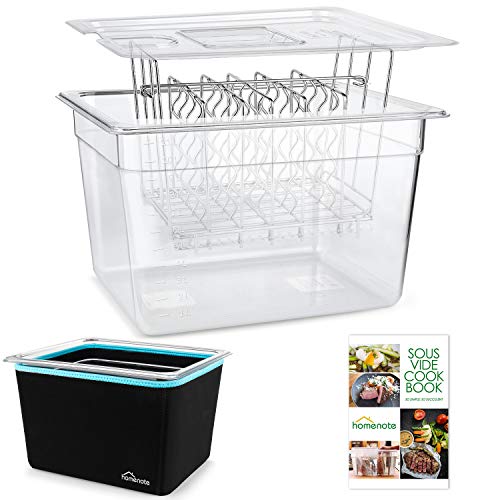
- sous vide container and lid cleaning kit


Before You Start
Before cleaning, unplug all equipment and allow components to cool. Remove any bags or food remnants from the water bath. If your unit has a removable cap or gasket, inspect it for wear. Never submerge an electronic immersion circulator in water when cleaning; wipe it gently with a damp cloth. Plan a cleaning session for 15–30 minutes for routine maintenance, or 45–60 minutes for deep cleaning after heavy usage or minerals buildup.
Step-By-Step: How To Clean Sous Vide Equipment
- Unplug and disconnect all parts not designed for submersion, then remove the water bath from the cabinet or countertop if possible.
- Wipe the immersion circulator body with a damp cloth, avoiding the control panel and any openings. Dry with a microfiber cloth.
- Inspect the water bath for mineral deposits. If you see white or brown scale, prepare a descaling solution following the product directions.
- Fill the bath with warm water and add the descaling solution. Run the circulator on a gentle cycle for 15–20 minutes to loosen mineral buildup, then drain.
- Rinse the bath thoroughly with clean water. Refill and run a short rinse cycle to remove any residual cleaner.
- Clean the silicone water bath cleaning brush or soft sponge around the interior walls and corners to dislodge residue. Pay attention to the lid and air vents if present.
- Wipe down the container and lid with a mild soap solution, then rinse and dry completely before reassembling. If the lid has a gasket, inspect for cracks and replace if needed.
- Reassemble the setup, then run a final 5–10 minute water bath with clean water to ensure all cleaner residues are gone and the chamber is ready for the next cook.
Troubleshooting
| Symptom | Likely Cause | Fix | Prevention |
|---|---|---|---|
| White mineral deposits after cleaning | Mineral buildup | Use sous vide immersion circulator descaling solution per instructions, then scrub with silicone brush | Rinse thoroughly after each use; consider weekly descaling for hard water areas |
| Unpleasant odor in water bath | Food residue or stagnant water | Wash container with mild detergent; run a clean water cycle | Empty and rinse between cooks with a quick rinse cycle |
| Gasket leaks around lid | Damaged or worn gasket | Replace gasket or lid kit | Inspect gasket monthly |
| Circulator not circulating water after cleaning | Water inlet blocked | Check for debris; gently clear with a soft brush | Keep area around inlet clean; avoid overfilling |
Common Mistakes
- Using abrasive cleaners on the stainless surfaces or gasket seals, which can cause scratches or leaks.
- Soaking an immersion circulator in water or cleaner for extended periods, risking electronic damage.
- Ignoring mineral buildup in areas far from the main container, leading to clogged vents or reduced heat transfer.
Tips For Best Results
- Schedule routine cleanings after several cooks to prevent buildup and ensure consistent performance.
- Use a dedicated sous vide container and lid cleaning kit to keep lids, rims, and interior walls free of residue.
- Label cleaning days on a calendar to maintain a regular maintenance rhythm, especially in areas with hard water.
- Store components in a dry, ventilated space to avoid mold and odors between uses.
Call A Professional
Consider a professional service if you notice persistent leaks, damaged seals, or malfunctioning temperature control that cleaning cannot resolve. Stop using the equipment if there is visible damage to the power cord, plug, or circulator body. Seek professional repair when the device fails to heat evenly or shows erratic temperature readings after cleaning.
FAQ
How often should I clean my sous vide equipment?
Clean after heavy use or weekly for frequent cooks, plus a quick wipe-down after each session.
Can I use bleach or strong chemicals for cleaning?
Avoid bleach; use the descaling solution and mild cleaners recommended for food-contact surfaces.
Is it safe to soak the container and lid?
Yes, if the container and lid are non-electronic and labeled dishwasher-safe or hand-washable.
What should I do if mineral deposits persist?
Increase the descaling cycle duration or repeat with a fresh solution, then scrub with a silicone brush.
Buying Guide
When selecting cleaning supplies for sous vide gear, consider factors such as compatibility with your model, effectiveness against mineral buildup, and ease of use. A prudent kit should include a descaling solution specifically formulated for immersion circulators, a soft silicone brush for safe cleaning, and a dedicated container and lid cleaning kit to reach tight corners. Prioritize products that are food-safe, fragrance-free, and designed for frequent household use. If your water is hard, a regular descaling routine helps maintain heating efficiency and prolongs equipment life.
Buying Guide: Key Factors To Consider
- <bSize and fit: Confirm that the cleaning tools fit your container and lid dimensions without crowding.
- <bDescaling power: Choose a proven descaling solution compatible with your water hardness to prevent mineral buildup.
- <bEase of use: Look for quick-dissolving formulas and brushes with soft bristles that won’t scratch surfaces.
- <bEnergy and efficiency: Proper cleaning maintains heat transfer efficiency; avoid buildup that reduces performance.
- <bControls and visibility: Ensure that the cleaning routine does not obstruct display panels or sensors during any reuse cycles.
- <bPlacement: Store cleaning tools near the sous vide setup for easy access before and after cooks.
By following these steps and using the recommended tools, home cooks can keep sous vide equipment clean, safe, and reliable. Regular maintenance supports precise temperatures, consistent textures, and safe food preparation across all sous vide applications.
Leave a Reply