How to Clean Soil for a Healthier Garden and Yard
Soil cleaning is a practical process for homeowners dealing with contaminated or compacted ground. By using a combination of mechanical, biological, and chemical methods, soil can be restored to support healthy plant growth and safer outdoor spaces. The following guide outlines steps, tools, and best practices to efficiently clean soil in residential settings.
Quick Answer
Assess contamination, choose an appropriate remediation method, and follow a structured process with safety safeguards. For deeper contamination, consider professional testing and remediation services. Begin with surface cleanup, then use mechanical separation and stabilization techniques before replanting.
What You’ll Need
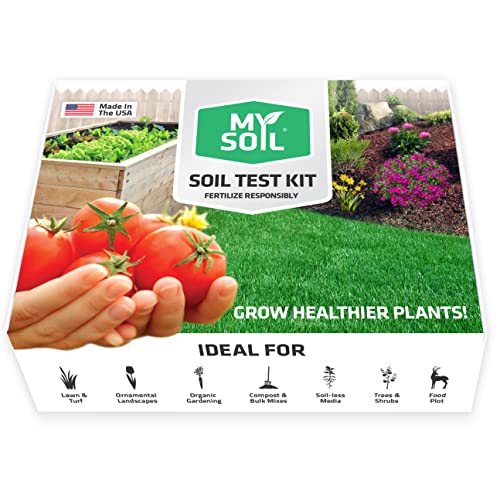
- Soil remediation kit for contaminated soil
- Soil washing equipment for remediation
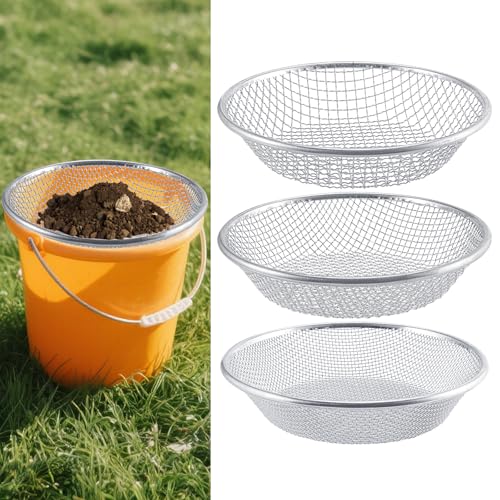
- Soil sifter screen garden tool
- Gloves, mask, and eye protection
- Shovel, rake, and wheelbarrow
- Plastic sheeting or tarps
Before You Start
Identify the contamination scope by checking for pesticides, heavy metals, or hydrocarbons. Wear proper PPE and work in a well-ventilated area. Clear the site of debris and cover nearby plants to prevent cross-contamination. Plan for time; most soil cleaning projects span several days to weeks depending on soil depth and contamination level. Begin with a small test area to refine methods before full-scale remediation.
Step-By-Step: How To Clean Soil For A Healthier Yard
- Test the soil to determine contamination type and concentration. Use a certified lab or home test kit as a first step.
- Isolate the work area with tarps to prevent spread of dust and contaminants.
- Remove the top layer of soil if contamination is near the surface; set aside for disposal or treatment.
- Use a soil sifter screen garden tool to separate debris, roots, and large particles from finer soil.
- Apply a soil washing approach where appropriate, using water to wash finer particles and contaminants away from soils.
- Contain and treat wash water according to local regulations; reuse clean soil to fill voids later.
- Recondition the soil with organic matter and beneficial microbes to restore structure and fertility.
- Reassess the soil with follow-up tests to ensure contaminant levels meet safety thresholds.
- Backfill the cleaned area gradually, re-grade, and compact lightly to maintain drainage.
- Re-establish vegetation with appropriate plant selections that tolerate the residual conditions, if any.
- Document procedures and disposal records to meet local environmental requirements.
- Monitor soil health over time and adjust practices based on plant performance and test results.
Troubleshooting
| Symptom | Likely Cause | Fix | Prevention |
|---|---|---|---|
| Dust when handling soil | Dry, loose soil and wind exposure | Moisten soil slightly; cover with plastic where feasible | Water before handling; work on calm days |
| Persistent odor or staining after washing | Deep contamination or residual hydrocarbons | Stop and consult environmental remediation services | Limit depth of disturbance; test deeper layers |
| Soil structure collapsing after tilling | Compacted soil or loss of organic matter | Add compost and organic amendments; avoid over-tilling | Maintain organic matter and cover crops |
| Plant growth poor after remediation | Residual contaminants or pH imbalance | Test pH and adjust; re-test contaminant levels | Follow guidelines for safe planting and remediation timing |
Common Mistakes
- Rushing the washing process without proper containment
- Ignoring follow-up testing and only relying on initial results
- Using improper disposal methods for contaminated soil or wash water
- Over-tilling, which can degrade soil structure and organic content
Addressing soil health requires patience and precise steps. Each site presents unique challenges, so adapt techniques to local conditions and regulatory requirements.
Tips For Best Results
- Always perform a soil test before starting remediation to tailor methods to contaminants.
- Use a soil sifter screen garden tool to efficiently separate debris during cleaning.
- Incorporate organic matter and compost to improve drainage and microbial activity.
- Document all steps and disposal actions to comply with local regulations.
- Re-test after major remediation steps to validate safety thresholds before planting.
Call A Professional
Consider a professional if the site shows signs of deep or extensive contamination, unusual odors, or complex pollutants. Stop work and contact a licensed environmental remediation specialist if:
- The contamination includesUnknown or hazardous chemicals
- Soil tests exceed recommended safety levels
- Groundwater or runoff appears contaminated
When in doubt, professional assessment ensures compliance with environmental regulations and protects family health and the environment.
FAQ
What is the first step to clean contaminated soil?
The first step is to conduct a soil test to identify contaminants and their levels.
Can home soil washing techniques be effective?
Yes, for certain contaminants and shallow depths, but more serious pollution may require professional remediation.
Is soil washing safe for home gardens?
When properly contained and treated, soil washing can reduce contaminants and improve soil health for gardening.
How long does soil remediation usually take?
Timeline varies by contamination level and area; small projects may take days, larger sites weeks or months.
Should I discard contaminated soil?
Contaminated soil may be eligible for on-site treatment or require disposal according to local regulations.
What plants are best after remediation?
Choose crops and ornamentals suited to the remaining soil conditions and tested safety levels.
Buying Guide
When choosing tools and equipment for soil cleaning, consider size, portability, and reliability. Look for durable soil washing equipment for remediation that can handle your soil volume. The soil remediation kit for contaminated soil should include filtration and containment options to manage wash water safely. A sturdy soil sifter screen garden tool helps with rapid debris removal. For larger yards, ensure you have scalable options to expand the operation without frequent equipment changes.
Key Buying Factors
- Size and capacity: Match equipment to the project scale. Small, portable kits work for home use; larger systems suit extensive sites.
- Noise and energy use: Look for energy-efficient units and models with noise-reducing features for residential spaces.
- Controls and ease of use: Simple operation with clear instructions helps reduce setup time and errors.
- Durability and warranty: Choose rugged components with warranties to cover field use.
- Containment and disposal: Equipment should support proper containment of wash water and safe disposal routes.
- Placement flexibility: Consider portability and storage; some systems are designed for tight spaces.
For a multi-step remediation plan, a combination of a soil remediation kit for contaminated soil, soil washing equipment for remediation, and a soil sifter screen garden tool provides a practical approach. Evaluate local environmental requirements and align equipment choices with the contaminants identified in tests. Would you like a quick comparison of compatible models based on your project size?
Leave a Reply