How to Clean a Soft Frame Bed
Soft frame beds combine a comfortable design with fabric upholstery that adds warmth to a bedroom. Regular cleaning helps extend the life of the fabric and maintains a fresh, inviting look. This guide provides practical steps using common cleaning tools available in many American homes, focusing on safe techniques for fabric surfaces and frame areas.
Quick Answer
Vacuum the bed frame and fabric surfaces to remove loose dirt, treat stains with a fabric upholstery cleaner spray for bed frame, then wipe with microfiber cleaning cloths. For stubborn spots, use a damp cloth with a light upholstery cleaner, and allow the fabric to air dry completely before use.
What You’ll Need
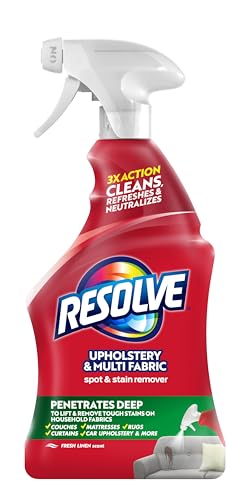
- Fabric upholstery cleaner spray for bed frame
- Furniture vacuum with brush attachment for fabric upholstery
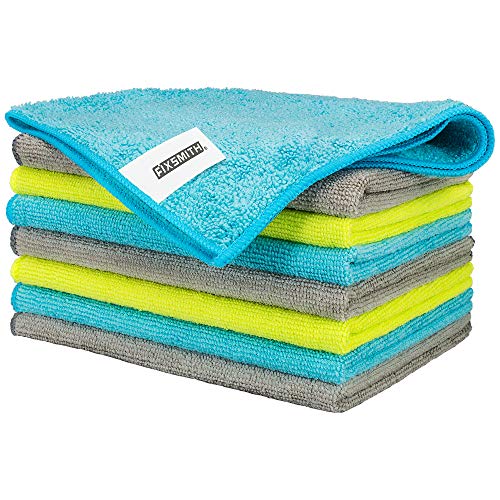
- Microfiber cleaning cloths set for upholstered furniture
- Soft brush or lint roller

Before You Start
Ensure the room is well ventilated. Check the bed’s care label or manufacturer recommendations for any fabric-specific instructions. Test any cleaner on a small, inconspicuous area first and wait 24 hours to check for discoloration. Avoid soaking the fabric as excessive moisture can damage padding and frame connections. Plan for a cleaning session that fits your schedule, typically 30–60 minutes depending on the bed size and soil level.
Step-By-Step: How To Clean A Soft Frame Bed
- Remove bedding and pillows from the bed to clear surfaces and allow access to all fabric areas.
- Vacuum the entire frame and fabric with the furniture vacuum using the brush attachment, focusing on seams and crevices where dust and hair accumulate.
- Apply a light mist of fabric upholstery cleaner spray for bed frame to a microfiber cloth, not directly onto the fabric, to prevent over-wetting.
- Gently blot and work the cleaner into stained areas or spots using a circular motion. Avoid rubbing harshly, which can damage fibers.
- For embedded dirt in seams, use a soft brush to loosen particles before re-vacuuming with the attachment.
- Wipe the surface with a clean, damp microfiber cloth to remove any residue from the cleaner.
- Allow the fabric to air dry completely. If possible, position a fan to speed up drying and prevent lingering moisture.
- Re-vacuum once dry to lift fibers and restore the fabric’s nap and appearance.
- Reassemble bedding and cushions once the frame and fabric are fully dry.
- Inspect for any remaining stains and repeat spot-cleaning if necessary, using a lighter touch the second time.
- Perform routine maintenance: monthly vacuuming and quarterly spot-cleaning to keep the bed looking fresh.
- Consider protective measures, such as throw covers for high-traffic areas or pets, to reduce future soil buildup.
Troubleshooting
| Symptom | Likely Cause | Fix | Prevention |
|---|---|---|---|
| Persistent stain after cleaning | Stain type or deep-set soil | Apply a targeted stain remover designed for fabric upholstery and blot gently | Treat stains promptly; avoid letting spills dry |
| Fabrics feel stiff after cleaning | Excess cleaner residue | Wipe with a damp microfiber cloth and re-dry completely | Use minimal cleaner and test first |
| Moisture lingering long after cleaning | Over-wetting fabric or padding | Increase airflow, use fans; wait longer before reassembling | Avoid soaking; apply cleaners sparingly |
| Color fading or discoloration | Cleaner incompatible with fabric dye | Stop using the product and consult manufacturer guidelines | Test cleaner on hidden area first |
Common Mistakes
- Using too much liquid, which can saturate padding and lead to mold.
- Rubbing aggressively, which can fray fibers and damage the fabric nap.
- Neglecting to test cleaners on a small area before full application.
- Skipping drying time, causing mildew or odor development.
Tips For Best Results
- Perform routine maintenance: vacuum weekly and spot-clean monthly to prevent heavy buildup.
- Choose cleaners labeled safe for the bed’s fabric type, and always follow product directions.
- Protect high-traffic sections with washable covers to prolong the fabric’s life.
- Work in a shaded area or at cooler times of day to reduce rapid drying that can leave water marks.
Call A Professional
Seek professional help if there are large, stubborn stains, persistent odors, or fabric damage such as tears or severe fading. Also contact a pro if the fabric is delicate or vintage, or if the cleaning involves heat-sensitive finishes. If you notice warped frame components or structural looseness, stop using the bed until inspected.
FAQ
Can I use any fabric cleaner on a soft frame bed?
Choose a cleaner labeled for fabric upholstery and compatible with the bed’s fabric type. Always test on a hidden area first.
How often should I clean a soft frame bed?
Light vacuuming weekly and spot-cleaning monthly helps maintain appearance and hygiene.
Is it okay to use a steam cleaner on fabric upholstery?
Only if the fabric manufacturer approves steam cleaning and the device is set to a low humidity and low heat setting.
What if I spill a liquid on the frame upholstery?
Blot immediately with a clean cloth, then apply a small amount of upholstery cleaner per label instructions and blot again until dry.
How do I dry the fabric after cleaning?
Air dry in a well-ventilated area; use a fan to speed drying and prevent mildew on padding.
Will cleaning damage the frame or its joints?
Cleaning should focus on fabric surfaces; avoid saturating the frame joints and consult the manufacturer if in doubt.
Buying Guide
When selecting products for cleaning a soft frame bed, consider factors such as size, noise level, energy efficiency, controls, and placement. For the cleaning tools in this guide, think about how often you will use them and on which fabrics. A compact vacuum with a dedicated fabric brush is convenient for quick maintenance, while a spray-on upholstery cleaner offers targeted stain control. For care routines, choose microfiber cloths that are gentle on delicate fabrics and easy to rinse.
Why These Tools Matter
The fabric upholstery cleaner spray for bed frame, the furniture vacuum with brush attachment for fabric upholstery, and microfiber cleaning cloths set for upholstered furniture are designed to work together. They minimize risk to fabric fibers, simplify removal of dust and soil, and help preserve the bed’s soft, inviting look.
Size And Placement Considerations
Choose a vacuum with a brush attachment that can reach all frame edges without tipping the bed. Renting or storing a compact cleaner may be ideal for smaller bedrooms. Consider placement that allows airflow for faster drying after cleaning to prevent moisture buildup.
Noise And Comfort Factors
Low-noise devices make routine cleaning less disruptive, especially in shared bedrooms or apartments. Prioritize devices with easy-to-use controls for quick cleanups after accidental spills or pet-related soiling.
Energy Efficiency And Controls
Look for energy-efficient vacuums and cleaners with simple control layouts. Localized spray cleaners with minimal packaging and refillable bottles can reduce waste and simplify maintenance.
Leave a Reply