How to Clean a Sofa With a Steam Cleaner
Steam cleaning can refresh a sofa without harsh chemicals, especially for fabrics like microfiber and delicate upholstery. This guide covers safe, practical steps to use a steam cleaner for sofa cleaning, with a focus on common fabric types and tool attachments. Following these methods helps remove dirt, odors, and light stains while protecting the fabric’s integrity.
Whether you rent a portable steam cleaner or own a unit with an upholstery attachment, the concepts remain similar. The goal is to lift grime from fibers without over-wetting cushions or triggering water stains. Proper technique also reduces the risk of shrinking or deforming sofa cushions over time.
Quick Answer
Prepare the sofa by removing loose debris, select the upholstery setting on a steam cleaner, and work in small sections using slow, overlapping passes. Use the upholstery tool to target fabric without soaking. Allow the fabric to dry completely before use to prevent mildew.
What You’ll Need
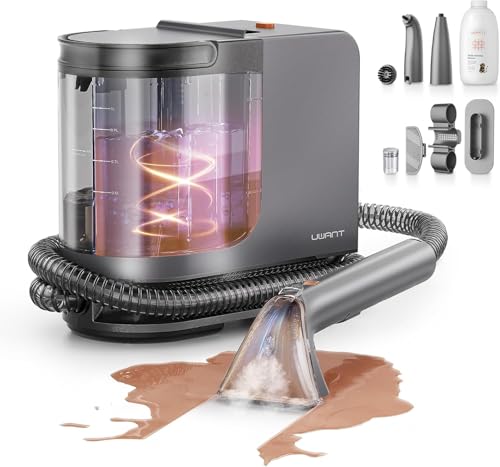
- Steam cleaner for upholstery sofa microfiber fabric
- Portable steam cleaner for furniture upholstery sofa
- Steam cleaner with upholstery tool for sofa fabric

Before You Start
Test a hidden area of the sofa first to check colorfastness and fabric tolerance. Work in a well-ventilated room and avoid steam on leather or suede without manufacturer guidance. Use a clean microfiber cloth to blot any moisture and speed drying. Anticipate a drying time of 1–4 hours depending on fabric thickness and room humidity. Never saturate the cushions; excess moisture can lead to mold or warped cushions.
Step-By-Step: How To Clean A Sofa With A Steam Cleaner
- Remove loose debris: Vacuum the sofa thoroughly with a brush attachment to lift dust and hair.
- Prepare the steam cleaner: Fill the reservoir with distilled water and attach the upholstery tool designed for fabric surfaces.
- Choose the right setting: Select a low- to medium-heat setting suitable for upholstery fabrics and avoid intense bursts on delicate fibers.
- Test spot: Apply a brief pass to a hidden seam to ensure fabric integrity and colorfastness.
- Work in sections: Begin at the top of the sofa and move downward in even, overlapping passes. Keep the nozzle a few inches from the fabric to prevent over-wetting.
- Target stains carefully: For spots, pause and keep the nozzle moving rather than dwelling in one spot to avoid water pooling.
- Blot excess moisture: Use a clean microfiber cloth to pat the fabric gently after each section to remove moisture and lift remaining dirt.
- Allow drying time: Keep the room warm and ventilated; open cushions slightly to speed airflow and reduce drying time.
Troubleshooting
| Symptom | Likely Cause | Fix | Prevention |
|---|---|---|---|
| Streaks or wet spots | Over-wetting or slow airflow | Pause, lift nozzle, blot with cloth, increase air movement | Use shorter passes and keep tool close to fabric |
| Fabrics shrinking or stiffening | Excessive heat or moisture | Switch to lower heat, dry thoroughly | Spot test, monitor temperature |
| Color transfer to cloth | Moisture pulling dye | Stop steam, rinse area with clean water, blot | Test spot first; avoid saturated areas |
| Persistent odor | Embedded bacteria or mildew | Repeat cleaning, ensure complete drying | Regular maintenance and quick drying after use |
Common Mistakes
- Using too high heat or leaving the steam nozzle in one spot for too long
- Over-wetting cushions or springs, which slows drying and can mold
- Not testing fabric colorfastness before cleaning large areas
- Neglecting proper drying, especially in humid environments
Tips For Best Results
- Vacuum before steaming to remove loose dirt and allergens.
- Use distilled water to reduce mineral buildup in the steam cleaner.
- Work in a climate-controlled room to optimize drying time.
- Follow the sofa manufacturer’s fabric care instructions to avoid warranties issues.
- After cleaning, consider a fabric protector spray once the sofa is fully dry, if appropriate for the fabric.
Call A Professional
Call a professional if the sofa shows structural damage, persistent stains that do not respond to steam cleaning, or if the fabric is delicate, antique, or value-sensitive. Do not attempt steam cleaning on leather, velvet with nap issues, or fabrics labeled as dry-clean only. Seek help promptly if you notice water pooling inside cushions or if an odor suggests mold behind the cushions.
FAQ
Is steam cleaning safe for microfiber sofas?
Yes, when performed with the upholstery setting and a light touch, steam helps lift dirt from microfiber without soaking the fabric.
How long does it take for a sofa to dry after steam cleaning?
Drying can take 1–4 hours depending on fabric and room conditions; use fans or a dehumidifier to speed up drying.
Can steam cleaning remove all stains?
Steam can remove many surface stains and odors, but deep-set or oil-based stains may require spot treatments or professional cleaning.
Should I use cleaners with steam?
Plain distilled water is safest; avoid harsh detergents unless the sofa fabric care guide authorizes them for steam use.
What fabrics are best avoided with steam?
Leather, suede, velvet with nap, and fabrics labeled “dry-clean only” should not be steamed without guidance from the manufacturer.
Can steam cleaning prevent future odors?
Regular cleaning helps reduce odors, but timely drying and good room ventilation are essential to minimize lingering smells.
Buying Guide
When choosing a steam cleaner for sofa cleaning, consider size, noise, and ease of use. A portable unit with a dedicated upholstery tool is ideal for most American homes because it reaches tight corners and cushions without heavy lifting. Look for models with adjustable steam control, a large water reservoir for longer sessions, and quick-heat capability to minimize downtime.
Key factors include:
- <bSize and weight: A compact, lightweight model reduces fatigue during furniture cleaning.
- <bNoise level: Quieter units make home cleaning more comfortable, especially in living spaces.
- <bEnergy efficiency: Efficient heating elements and auto-shutoff save energy during intermittent use.
- <bControls: Simple, intuitive controls and a dedicated upholstery setting improve accuracy and safety.
- <bPlacement: Consider where you will store the steam cleaner and how you will use it on multiple furniture types.
To compare options, assess performance on microfiber and typical sofa fabrics, availability of an upholstery tool, and customer feedback on reliability. If you frequently clean multiple pieces of furniture, a model with a larger tank and faster heat-up time can save time. By weighing these factors, buyers can select a steam cleaner that delivers consistent, safe results for American households.
Leave a Reply