How to Clean Soap Scum Off Granite Surfaces
Soap scum on granite countertops can dull their shine and leave a cloudy residue if not addressed properly. This guide provides practical, safe steps to remove soap scum from granite without harming the stone or its seal. Readers will learn best practices, the right products, and how to prevent buildup in the future.
Quick Answer
Begin by mixing warm water with a small amount of a granite-safe cleaner, then scrub gently with a non-scratch brush and a microfiber cloth. Rinse thoroughly and dry with a clean microfiber cloth. For stubborn residue, repeat with a dedicated granite countertop cleaner spray and a soft scrub brush, then seal the area if the countertop has a recent exposure to moisture.
What You’ll Need
- granite countertop cleaner spray 32 oz
- non-scratch scrub brush for granite
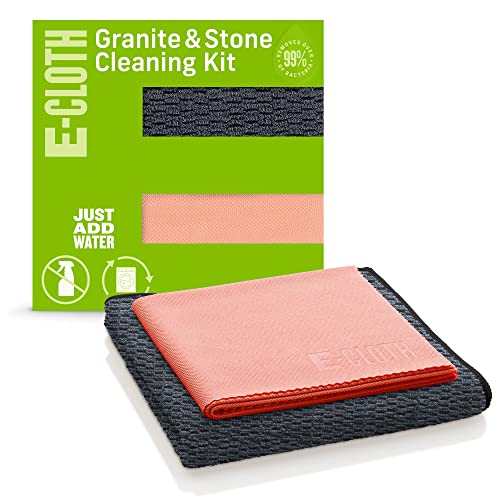
- microfiber cleaning cloth granite soap scum removal


Before You Start
Safety first: granite is durable but porous. Avoid acidic cleaners like vinegar or lemon juice, which can wear down the seal over time. Test any cleaner in an inconspicuous area first, and work in a small section at a time to prevent oversaturation. Typical cleaning sessions take 10–20 minutes, depending on the extent of soap scum buildup. Shield nearby appliances and avoid wetting porous joints for extended periods.
Step-By-Step: How To Clean Soap Scum Off Granite
- Remove loose debris from the countertop with a dry microfiber cloth to prevent scratching during cleaning.
- Spray a light mist of granite countertop cleaner spray 32 oz across the soap-scum area, ensuring full coverage but avoiding dripping onto surfaces that may react to cleaners.
- Let the cleaner sit for 1–2 minutes to break down soap scum oils, then pick up the excess with a damp microfiber cloth.
- Gently scrub the area with the non-scratch scrub brush for granite, using a circular motion. Avoid applying heavy pressure on seams or edges.
- Wipe away the loosened residue with another microfiber cleaning cloth, rinsing the cloth frequently to avoid re-depositing soap scum.
- Reapply the cleaner spray to stubborn spots and repeat the scrubbing if needed until the surface clears.
- Rinse the area with a clean, damp cloth to remove any cleaner residue, then dry with a soft microfiber cloth.
- Inspect the seal along the edges. If you notice dulling or discoloration, consider resealing per manufacturer guidance after the area is completely dry.
- If soap scum persists, switch to a dedicated granite-friendly cleaner spray and re-clean the area with the same non-scratch brush and microfiber cloths.
- Finish by buffing with a dry microfiber cloth to restore the stone’s natural luster and reduce future buildup.
- For routine maintenance, wipe countertops daily with a microfiber cloth dampened with water or a gentle granite-safe cleaner.
- Store cleaners and tools out of reach of children and pets, and avoid stacking heavy items near grout lines or edges that may harbor buildup.
Troubleshooting
| Symptom | Likely Cause | Fix | Prevention |
|---|---|---|---|
| Hazy or cloudy patches after cleaning | Residual cleaner or soap scum buildup | Repeat cleaning with fresh cloths and a cleaner designed for granite | Wipe thoroughly; use minimal cleaners |
| Scratches appear after cleaning | Using a rough brush or abrasive cloth | Switch to non-scratch brush and microfiber; avoid abrasive pads | Repair with appropriate sealant if needed |
| Sealed surface looks dull at edges | Sealer wear or improper sealing | Consult manufacturer guidelines for resealing | Re-seal only after timely surface drying |
| Soap scum returns quickly | Frequent hard water minerals or improper drying | Dry surfaces after rinsing; use a granite-safe cleaner regularly | Wipe down after soap use to prevent buildup |
Common Mistakes
- Using acidic cleaners such as vinegar or lemon juice on granite
- Scrubbing with rough brushes or abrasive pads
- Letting cleaner sit too long on the surface
- Skipping thorough drying after rinsing, which can promote mineral deposits
To keep granite looking its best, substitute occasional light wiping with a dedicated granite cleaner and a fresh microfiber cloth, ensuring you don’t saturate seams or edges.
Tips For Best Results
- Use a dedicated granite-safe cleaner spray for maintenance and spot cleaning.
- Maintain a regular wiping routine; daily light cleaning can prevent heavy buildup.
- Always pat dry rather than leaving surfaces wet to prevent mineral rings.
- Test any new product in a hidden corner before broad use to guard against discoloration.
- Keep cleaning tools dedicated to granite to avoid cross-contamination with harsher cleaners.
Call A Professional
Consider professional help if granite shows deep staining, extensive etching, or if the seal is compromised after multiple cleanings. Stop and consult a countertop specialist if you notice persistent dullness, cracks, or if cleaning products cause discoloration. If you’re unsure about sealing or repairing, a pro can assess the seal, texture, and finish and recommend the right maintenance plan.
FAQ
Can I use bleach to clean soap scum off granite?
Bleach is not recommended for granite; it can damage the seal and alter the stone’s appearance. Use granite-safe cleaners instead.
How often should I seal granite countertops?
Sealing frequency depends on the granite type and usage. Many surfaces need sealing every 1–3 years, but a professional can test porosity to determine schedule.
Is it safe to use microfiber cloths on granite?
Yes. Microfiber cloths are ideal for removing residues without scratching the surface.
What if soap scum keeps returning even after cleaning?
Check water hardness and routine maintenance; consider a stronger granite-safe cleaner and verify the seal status with a pro if buildup recurs.
Buying Guide
When selecting products to keep granite clean and protected, consider several factors. Size matters for households with large countertops or multiple surfaces, so choose a cleaner spray that offers enough volume for ongoing use. Noise level is less relevant for cleaning products, but user experience matters—look for simple spray bottles and easy-to-wipe cloths. Energy efficiency is not a primary concern for cleaning products, but practical packaging that reduces waste helps. Controls should be straightforward, with clear directions on safe use for granite. Placement of cleaners—store away from heat sources and out of reach of children—improves safety. Compare cleaner formulations to ensure they are labeled safe for granite and compatible with sealants. For high-traffic kitchens, consider a routine maintenance kit that includes a granite-safe cleaner spray, a non-scratch scrub brush, and microfiber cloths to simplify weekly cleaning. If buying for multiple surfaces, ensure the kit includes a stone-safe approach that avoids harsh chemicals and leaves a glossy, even finish. Finally, check for certifications or manufacturer recommendations to maximize the countertop’s lifespan and appearance.
Leave a Reply