How to Clean Soap Scum From Tile and Grout
Soap scum on tile and grout can dull a bathroom or shower space. With the right tools and a steady approach, you can restore grout lines and keep tiles looking fresh. This guide walks through practical steps, safety notes, and product options to tackle soap buildup effectively in American homes.
Quick Answer
For best results, combine mechanical brushing with heat and steam where appropriate. Start with a stiff-bristle grout cleaning brush set to agitate soap scum, then use a handheld steam cleaner for tile grout to loosen stubborn grime. Finish with a powered electric grout cleaning brush to reach deep into joints. Regular maintenance prevents heavy buildup and reduces scrubbing time.
What You’ll Need
The following tools align with common grout cleaning needs and the provided product keywords:
- Grout cleaning brush set stiff bristles angled head
- Handheld steam cleaner for tile grout
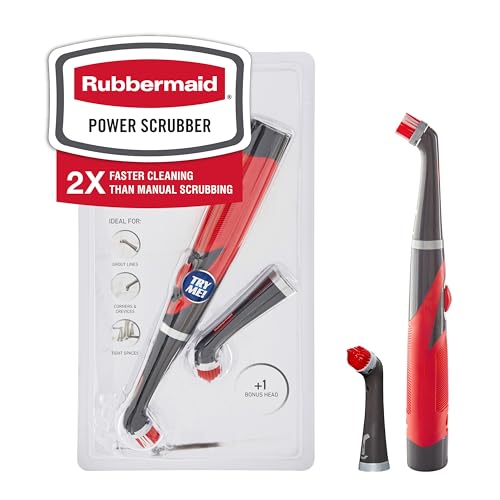
- Electric grout cleaning brush cordless or battery powered


Before You Start
Clear the area of personal items and ensure adequate ventilation. Protect bathroom surfaces adjacent to grout lines with towels or plastic sheeting. Before applying any cleaner, test a small, inconspicuous area to confirm colorfast grout and tile. Allow time to acclimate if you are using steam; never steam on surfaces that are not heat-tolerant. Safety note: avoid splashing water onto electrical outlets or switches. Plan for a few minutes of drying time after treatment.
Step-By-Step: How To Clean Soap Scum From Tile And Grout
- Inspect grout lines for cracks or loose sections; repair any damage before cleaning to prevent worsened deterioration.
- Dry-brush the area with a stiff bristle grout cleaning brush set angled head to lift loose soap residue from grout.
- Apply a grout-safe cleaner or a homemade paste (baking soda mixed with water) to the grout lines, focusing on high-traffic areas.
- Let the cleaner sit for 5–10 minutes to penetrate soap scum, then scrub along the grout with the brush using short, firm strokes.
- For deeper staining, use a handheld steam cleaner for tile grout to loosen embedded grime; glide it slowly along each grout line.
- Rinse with warm water and spray a small amount of cleaner along lines again if needed, then wipe away residue with a clean cloth.
- Switch to an electric grout cleaning brush cordless or battery powered for persistent buildup; use the angled head to reach corners and corners between tiles.
- Rinse thoroughly and dry the surface with a microfiber towel to reduce water spots and prevent new soap scum from forming quickly.
- Repeat periodically in bathrooms and kitchens to maintain a clean grout appearance and prevent mold growth.
- Store tools dry between uses to prevent mildew on bristles and brushes.
- For extremely porous or damaged grout, consider professional resealing after cleaning to protect against future buildup.
- Document your cleaning routine for future maintenance and schedule a quarterly deep clean if grout shows persistent staining.
Troubleshooting
| Symptom | Likely Cause | Fix | Prevention |
|---|---|---|---|
| Soap scum returns quickly | Inadequate cleaning or sealant failure | Re-clean with brush set and seal grout after drying | Re-seal grout every 1–2 years |
| Streaks after cleaning | Residue left from cleaners | Rinse thoroughly and dry with microfiber cloth | Use minimal cleaner and rinse well |
| Discoloration on grout | Mold or mildew growth | Apply a mold-inhibiting cleaner and ensure area dries completely | Improve ventilation and dry after showers |
| Bricks of grout loosen during scrubbing | Weak grout joints | Stop and repair damaged sections | Seal grout after repair |
| Steam causes discoloration | Discolored tiles or sensitive surfaces | Test a small area before full steam use | Avoid steam on non-heat-tolerant surfaces |
Common Mistakes
- Using overly harsh chemicals on delicate tiles can erode grout over time
- Scrubbing too aggressively with soft grout can widen joints
- Neglecting to dry grout after cleaning invites quick soap buildup
- Not testing cleaners on a hidden area can lead to visible damage
Tips For Best Results
- Combine mechanical scrubbing with steam for best grime removal without excessive elbow grease
- Work methodically by small sections to prevent re-soiling already cleaned areas
- Choose a grout cleaning brush set with angled heads to reach tight corners
- Use a dedicated microfiber cloth for final wipe-down to avoid lint residues
- Consider a grout sealer after a successful cleaning to reduce future buildup
Call A Professional
Stop and seek professional help if grout is crumbling, mold appears behind tiles, or staining persists after two thorough cleanings. Cracked grout and loose tiles require quicker attention to prevent water damage and structural issues.
FAQ
Can I use bleach on grout to remove soap scum?
Bleach can whiten grout but may discolor colored grout and is harsh on some tiles; use with caution and ventilate the area.
How often should I deep clean grout in a bathroom?
Most homes benefit from a deep clean every 3–6 months, with spot-cleaning between sessions as needed.
Is steam cleaning safe for porcelain tile and epoxy grout?
Yes, when used according to manufacturer guidelines and at appropriate temperatures, steam can be effective without chemical cleaners.
What’s the best way to reseal grout after cleaning?
Wait until grout is completely dry, apply a penetrating grout sealer, and wipe away excess; follow product instructions for cure time.
Buying Guide
When selecting tools for cleaning soap scum from tile and grout, consider size, noise level, energy efficiency, controls, and placement. A good starter kit includes a stiff bristle angled brush, a handheld steam cleaner, and a cordless electric grout cleaning brush for versatility. For smaller bathrooms, a compact steam cleaner and portable cordless brush can reduce clutter. Noise levels matter in shared living spaces, so look for everyday-use models with reasonable dB ratings. Energy-efficient models extend battery life and reduce run-time costs. Choose tools with ergonomic handles for comfortable extended cleaning sessions and consider attachments that allow access to corners and along baseboards. Finally, ensure the tools are suitable for tile and grout materials you have and that replacement brushes are readily available. If space is limited, prioritize multifunctional devices that combine scrubbing and steam capabilities to minimize equipment. Are you aiming for a quick refresh or a deep-seated restoration? Your choice should reflect the level of buildup and the longevity you expect from the investment.
Leave a Reply