How to Clean Smelly Towels: Fresh, Stat-Ready Laundry Routine
Smelly towels can linger despite regular washing, often due to mildew, body oils, or detergent buildup. This guide offers a practical, step-by-step approach to restore freshness using common household products and targeted additives designed for towels. The goal is brighter fibers, reduced odor, and a longer towel life with safer cleaning routines.
Quick Answer
For persistent towel odor, run a hot wash with a lacto-friendly or enzyme-based booster, dispatch a dedicated towel sanitizer, and follow with a maintenance rinse using a washing machine cleaner to prevent mildew buildup. Use odor-fighting agents specifically designed for towels and fabrics to keep fibers soft and fresh.
What You’ll Need
- Enzyme laundry booster for towels odor removal 64 oz — targets organic residues and body oils
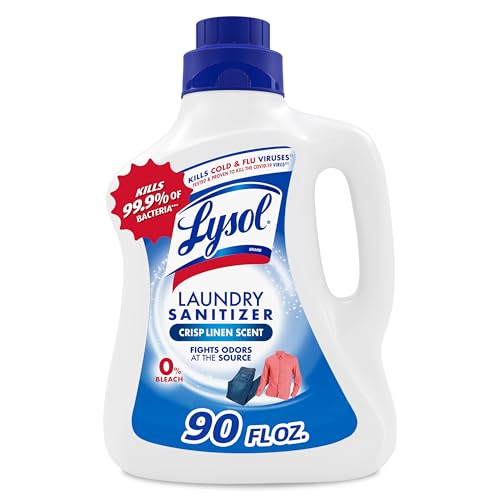
- Laundry sanitizer for towels odor control 64 oz — helps neutralize bacteria that cause odor
- Washing machine cleaner deodorizer tablets to remove towel mildew odor — prevents mildew in the washer itself
- Warm to hot water, depending on towel care labels
- Non-chlorine, color-safe detergent


Before You Start
Assess towel fibers and care labels to avoid damage. Use hot water only if towels are colorfast and machine-supported. Protect sensitive skin by avoiding harsh additives on towels used for infants or with sensitive skin. Pre-treat any visible mildew with a gentle cycle and ensure the washing machine’s gasket and drum are clean before starting. Plan for a full cycle time of about 60–90 minutes, depending on your machine.
Step-By-Step: How To Clean Smelly Towels
- Sort towels by color and fabric to prevent dye transfer and abrasion.
- Set the washing machine to the hottest safe water temperature indicated on towel care labels.
- Add the enzyme laundry booster for towels odor removal to the detergent compartment, following product directions for dosage.
- Run an empty hot wash with the booster to break down oils and residua from previous loads.
- Re-wash towels with a laundry sanitizer for towels odor control to neutralize bacteria and reinforce freshness.
- Run a second rinse to ensure all residues and odor-control agents are fully flushed from fibers.
- Use a washing machine cleaner deodorizer tablet in an additional cycle to remove mildew buildup inside the washer itself.
- Dry towels completely on a high heat setting or in a sunny outdoor line to prevent new mildew growth.
- Optionally add a half-dose of the booster in future loads as a maintenance step to keep odor minimized.
- Inspect towels after drying; if any odor persists, repeat the booster and sanitizer steps on a shorter cycle with a warm rinse.
- Keep towels evenly loaded in the dryer or on a rack to promote even drying and reduce damp spots.
- Store towels in a dry, well-ventilated area to prevent lingering moisture and odor.
Troubleshooting
| Symptom | Likely Cause | Fix | Prevention |
|---|---|---|---|
| Towels Still Smell After Wash | Detox buildup or insufficient rinse | Run an extra rinse cycle; increase water level | Use enzyme booster and sanitizer routinely |
| Musty Odor Reappears | Mildew in washing machine | Run washer cleaner deodorizer tablet; clean gaskets | Leave door open between cycles to dry drum |
| Color Fading or Fabric Wear | High heat or harsh cleaners | Switch to color-safe detergent; wash on appropriate temp | Follow care labels; avoid overloading |
| Residue on Towels | Detergent or booster not fully rinsed | Extra rinse, check dispenser dosing | Use correct dosage for water hardness |
Common Mistakes
- Using too much detergent, which leaves residue and traps odors
- Washing on cold only when towels could benefit from a hotter cycle
- Skipping the washer cleaner step, allowing mildew to accumulate
- Overloading the washing machine, reducing effective rinsing
Tips For Best Results
- Maintain a regular schedule for booster and sanitizer cycles to prevent odor buildup
- Rotate towels with breathable fabrics to improve drying efficiency
- Consider spot-treating areas prone to odor with a targeted enzyme booster
- Adjust water temperature to towel care labels for optimal cleaning without damage
Call A Professional
Consult a professional if persistent odor remains after multiple full cycles, if towels show consistent color loss, or if the washing machine’s seals and drum emit strong, unusual odors that do not respond to standard cleaning. Additionally, if you suspect mildew or mold behind bathroom fixtures or in plumbing, a pro may be needed for safety and health concerns.
FAQ
What causes towels to smell even after washing?
Odor often stems from body oils, bacteria, mildew in the washer, or detergent buildup that traps moisture and reduces air flow.
Can I use plain bleach to remove towel odor?
Bleach can damage certain fabrics and colors; use enzyme boosters and fabric-safe sanitizers as safer alternatives for most towels.
How often should I run a washer cleaning cycle?
Run a washer cleaning cycle monthly or whenever towels begin to show mildew-like odors or if the machine isn’t finishing cycles cleanly.
Are dryer sheets helpful for towels?
Dryer sheets can leave residues on towel fibers; consider using a natural or no-residue fabric softener or skip softeners for more breathable towels.
Should I wash towels with vinegar or baking soda?
Vinegar or baking soda can be used occasionally, but follow up with an enzyme booster or sanitizer for best odor control and avoid mixing with certain cleaners in the same cycle.
How can I prevent towels from smelling between washes?
Ensure towels dry completely after each use, wash with proper boosters periodically, and keep the storage area dry and well-ventilated.
Is it okay to wash towels with other fabrics?
Minor fabrics can be washed together if colorfast and similar in weight; heavy towels should be washed separately to ensure proper cleaning and drying.
Buying Guide
When choosing products to maintain towel freshness, consider size, odor-control strength, and compatibility with existing laundry routines. For American homes, a larger 64 oz bottle often provides cost-effective, long-term use. Pay attention to the product’s enzyme action, whether it includes a dedicated towel sanitizer, and whether it’s designed to target fabric-friendly odor removal without aggressive chemicals.
Key buying factors include:
- Size and concentration — 64 oz bottles are common for household use; ensure you have space for storage and appropriate dosing guidance.
- Odor-control performance — enzyme boosters break down residue from skin and oils more effectively on towels.
- Sanitation claims — a dedicated laundry sanitizer helps reduce bacteria responsible for persistent smells.
- Washer care compatibility — consider a washing machine cleaner deodorizer to prevent mildew buildup inside the machine.
- Ease of use — clear dosing instructions and compatibility with your typical wash cycle.
- Safety — choose formulations suitable for family use and avoid harsh additives on sensitive skin items.
Pair these products with proper laundering habits: hot water when allowable, complete rinses, and thorough drying. If odor recurs, re-evaluate detergent usage and consider rotating products to identify the most effective combination for your towels and machine.
Leave a Reply