How to Clean Smelly Carpet Effectively and Safely
Smelly carpets can linger from pets, spills, or everyday use. This guide provides a practical, step-by-step approach to refresh carpet fibers, using common household supplies and a few targeted products. The goal is to remove odors at the source and restore fresh indoor air in any room.
Quick Answer
For quick odor relief, start with a thorough vacuum, apply an enzymatic cleaner to pet urine stains, and follow with a carpet cleaning machine steam cleaner to extract moisture and odor. Finish with a professional-grade odor eliminator spray on hard-to-treat areas.
What You’ll Need
- Carpet cleaning machine steam cleaner with dual tanks
- Enzymatic pet urine carpet cleaner spray 24 oz
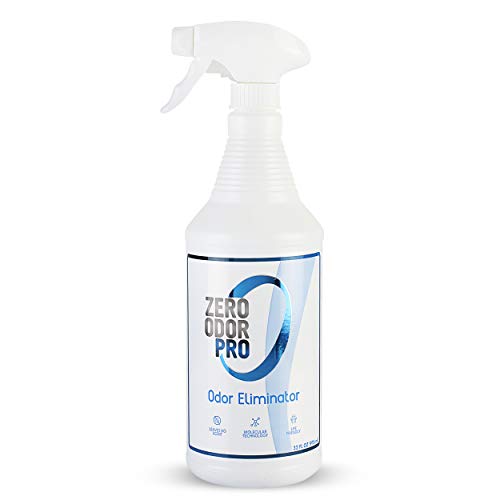
- Carpet odor eliminator spray professional use 32 oz
- Vacuum cleaner
- Clean microfiber cloths or towels
- Water, mild detergent (optional)


Before You Start
Assess the carpet type and stain locations. Test cleaners in a hidden area to confirm colorfastness. Work in a well-ventilated space and wear protective gloves. Plan for a dry time of 4–8 hours depending on humidity and air movement. Important: Do not saturate carpet fibers excessively; excessive moisture can lead to mold growth and more odors.
Step-By-Step: How To Clean Smelly Carpet
- Vacuum thoroughly to remove loose dirt, hair, and debris from both fiber surface and backing.
- Spot-treat any obvious stains with the enzymatic pet urine cleaner. Apply as directed and blot with a clean cloth to lift urine residues.
- Apply the enzymatic cleaner to areas showing odor or staining, allowing it to break down organic compounds. Do not rinse yet; let it sit for the recommended dwell time.
- Use the carpet cleaning machine steam cleaner with dual tanks. Fill the clean water tank with hot water and a small amount of mild detergent if recommended by the machine’s manufacturer.
- Run the machine across treated areas, extracting dirty water into the dirty tank. Overlap passes to ensure complete coverage and moisture removal.
- Return to any remaining odor hotspots and apply the enzymatic cleaner or odor eliminator spray as needed, then run a final pass with the machine to remove residual moisture.
- Spray the carpet odor eliminator spray on the surface after cleaning for an added layer of scent-neutralizing protection. Allow to dry completely.
- Inspect the carpet after drying. If odors persist in high-traffic zones, repeat the cleaning process focusing on those areas.
- Ventilate the room during and after cleaning to accelerate drying and odor dissipation.
- For persistent odors, consider applying a professional-grade odor eliminator spray to problem sections and let it set before use.
Troubleshooting
| Symptom | Likely Cause | Fix | Prevention |
|---|---|---|---|
| Musty smell returns after cleaning | Moisture remaining in the carpet padding | Re-clean with the steam cleaner and extend drying time | Improve drying with fans or dehumidifier |
| No improvement after enzymatic cleaner | Odor from synthetic fibers or hidden stains | Spot-treat additional areas and use odor eliminator spray | Identify all stain sources during initial inspection |
| Detergent scent lingers | Overuse of detergent residues | Rinse thoroughly with clean water and extract well | Use minimal detergent per manufacturer guidance |
| Color transfer or fading | Aggressive cleaners or high concentrations | Perform a small test area and reduce concentration | Stick to approved products for your carpet type |
Common Mistakes
- Over-wetting the carpet, which slows drying and fosters mildew.
- Using harsh cleaners that bleach or damage fibers.
- Neglecting underlay or padding areas where odors can persist.
- Relying on a single cleaning method for all stains and odors.
Tips For Best Results
- Always pre-test cleaners on a hidden area to verify colorfastness.
- Work in small sections to ensure even application and extraction.
- Combine enzymatic cleaners with mechanical extraction for deeper odor removal.
- Maintain proper ventilation and use a dehumidifier during and after cleaning.
- For homes with pets, address pet odor sources regularly and schedule periodic deep cleanings.
Call A Professional
Consider a professional service if odors persist after repeated cleaning, if the carpet is deeply embedded with pet urine, or if the room is large and difficult to dry. Stop and seek help if there is widespread staining, a strong chemical odor, or any signs of mold growth in the carpet padding. Professionals can assess padding integrity and provide advanced odor control solutions.
FAQ
What is the fastest way to remove carpet odors?
Vacuum thoroughly, spot-treat with an enzymatic cleaner, and extract moisture with a steam cleaner. Finish with an odor eliminator spray for fresh results.
Can I clean carpet odor without a machine?
Yes, you can manual clean with enzymatic cleaner, blotting, and a thorough air-drying, but a machine improves extraction and drying time.
Are enzymatic cleaners safe for pets and kids?
Most enzymatic cleaners are pet- and child-friendly when used as directed. Read the label and keep treated areas dry until fully absorbed.
How long does it take for a cleaned carpet to dry?
Dry time ranges from 4 to 8 hours, depending on humidity, airflow, and padding depth.
Should I use a deodorizing spray after cleaning?
Yes, a chemical odor eliminator spray can help neutralize residual scents. Apply according to the product directions and allow to dry.
What if odors come back after a few days?
Re-treat with enzymatic cleaner in odor hotspots and ensure proper drying. Persistent odors may indicate padding contamination or hidden stains.
Is it necessary to replace carpet padding for strong urine odors?
In cases of severe urine saturation, replacing padding may be necessary to fully remove odors.
Can I mix cleaners?
Avoid mixing cleaners unless the manufacturer explicitly allows it. Stick to recommended products for safety and effectiveness.
Buying Guide
Choosing the right tools and products matters when tackling smelly carpet. Consider the following factors to ensure a good match for your needs.
Key Buying Factors
- Carpet cleaning machine steam cleaner with dual tanks: Look for separate clean and dirty water tanks to maintain cleaning efficiency and reduce cross-contamination. A reliable heat option helps dissolve and extract odors.
- Enzymatic pet urine carpet cleaner spray 24 oz: Enzymatic formulas break down organic residues that cause lingering smells. Choose a spray with proven stain and odor removal capabilities.
- Carpet odor eliminator spray professional use 32 oz: Opt for a neutralizing spray designed for carpets and ready-to-use coverage of large areas. Consider compatibility with fabrics and colorfastness.
- Vacuum performance: A strong suction model with good filtration minimizes embedded dirt and supports odor removal by reducing abrasive fibers that trap odors.
- Drying aids: Fans, dehumidifiers, or ventilation strategies accelerate drying and reduce the risk of mold after cleaning.
Size And Coverage
Match the size of the room and carpet area to the cleaner’s capacity. Larger rooms benefit from machines with larger tank capacities, while small apartments can use compact models with strong suction.
Noise And Energy
Consider models with adjustable cleaning modes and reasonable noise levels. Energy-efficient designs help reduce power use during long cleaning sessions.
Controls And Maintenance
Look for intuitive controls, clear indicator lights, and straightforward maintenance routines. Availability of replacement parts and service support matters for long-term use.
Placement And Safety
Choose a model with a stable base for use on stairs or angled areas. Ensure safe storage when not in use and check for any chemical compatibility with your existing cleaners.
With the right combination of enzymatic cleaners, a capable steam cleaner, and an odor eliminator, smelly carpets can regain their fresh character. Always follow label directions, test first, and schedule periodic deep cleanings to maintain a clean living space.
Leave a Reply