How to Clean Slime Off a Couch
Slime incidents on a fabric or upholstery couch are common with kids and playful pets. Proper cleanup minimizes staining and odor while protecting the fabric. This guide provides practical steps, using products designed for upholstery slime removal to keep your sofa looking fresh.
By following a structured approach, homeowners can remove slime quickly and safely. The methods here emphasize fabric-friendly solutions, stain removal sprays, and microfiber cloths to lift and blot without spreading residue.
Quick Answer
Act fast to prevent slime from setting. Use a gentle spray, blot—not rub—then lift with a microfiber cloth. For stubborn spots, repeat with a fabric-safe slime stain remover kit and follow up with a rinse and air-dry.
What You’ll Need
- upholstery slime stain remover spray for fabric sofa
- fabric couch slime stain remover kit with microfiber cloths
- slime cleanup spray for upholstery fabric couch
 |
Bissell Spot & Stain Fabric and Upholstery Cleaner, 9351,12 Ounce, Blue | |
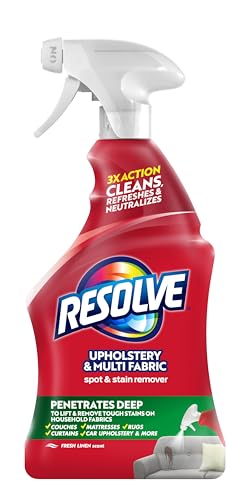 |
Resolve Carpet Cleaner, 22 fl oz Multi-Fabric Cleaner and Upholstery Stain Remover, Carpet Cleaner Spray |
Before You Start
Test any product on a hidden area of the couch to verify colorfastness. Use a clean, white microfiber cloth to avoid color transfer. Work in a well-ventilated area and keep children and pets away during cleaning. Time estimate: 20–45 minutes for light stains, up to an hour for tougher spots. Important safety note: avoid saturating the fabric; use minimal moisture to prevent water damage or mold growth.
Step-By-Step: How To Clean Slime Off A Couch
- Gently scrape away as much slime as possible with a dull spoon or plastic spatula, taking care not to push slime deeper into the fibers.
- Blot the area with a dry microfiber cloth to absorb excess moisture and slime fragments. Do not rub, which can spread the stain.
- Lightly spray the area with the upholstery slime stain remover spray for fabric sofa or slime cleanup spray for upholstery fabric couch, focusing on the stained zone.
- Let the spray sit for 30–60 seconds to penetrate the slime film, then blot again with a clean cloth, lifting residue from the surface.
- If the stain persists, use the fabric couch slime stain remover kit with microfiber cloths. Gently wipe in a single direction to lift staining from the fabric.
- Rinse the treated area with a small amount of clean water using a damp cloth, then blot to remove moisture and residues.
- Repeat the spray and blot cycle as needed until the stain is no longer visible.
- Allow the couch to air-dry completely. If possible, place a fan nearby to speed drying and prevent any lingering odor.
- For persistent odors, lightly spritz with a fabric-safe deodorizer after the area is dry and re-check for any remaining stain.
Troubleshooting
| Symptom | Likely Cause | Fix | Prevention |
|---|---|---|---|
| Stain returns after drying | Residue left behind | Repeat spray and blot with a clean cloth, then rinse | Apply lighter, multiple passes instead of heavy applications |
| Fading color in treated area | Overly strong chemical exposure | Use a milder spray and test first on hidden area | Always patch test before full use |
| Fabric feels stiff after cleaning | Drying too slowly or residue | Rinse thoroughly and blot dry; use a dryer/air mover if safe for fabric | Do not oversaturate; use minimal moisture |
| Odor persists | Slime odor trapped in fibers | Apply fabric deodorizer after complete dry | Address odor promptly with ventilation |
Common Mistakes
- Rubbing the slime, which spreads and embeds stains deeper.
- Using hot water, which may set the stain.
- Applying excessive moisture that can cause mildew.
- Not testing cleaners on a hidden fabric area.
Tips For Best Results
- Work from the outside edges toward the center to prevent spreading.
- Keep a small spill kit handy with microfiber cloths and a gentle slime remover spray.
- For textured fabrics, use light, circular motions with the cloth to lift slime without fraying fibers.
- After cleaning, vacuum the area to lift any remaining dry particles.
Call A Professional
Seek professional help if the couch is vintage, valuable, or if the stain covers a large area and cannot be removed with home products. Stop cleaning and consult a pro if you notice color bleeding, fabric distortion, or persistent odors after repeated attempts.
FAQ
Can I use any spray on my couch fabric?
Use products labeled for upholstery fabric and follow the manufacturer’s directions. Always patch test first.
Is slime safe on microfiber?
Most slime removers designed for fabric sofas are safe for microfiber when used as directed, but always test a hidden area first.
What if the stain is old?
Older slime stains may require repeated applications and longer dwell times, but avoid harsh solvents that can damage fibers.
Can I machine-wash a removable cushion cover?
If the cover is machine-washable, follow the care label and use a gentle cycle. Do not machine-wash non-removable upholstery.
Buying Guide
Choosing the right products to tackle slime on a couch involves considering stain removal efficacy, fabric safety, and ease of use. This guide covers key buying factors to help American shoppers make informed decisions.
- Size and coverage: Look for spray bottles or kits that match the size of typical stains on a couch. Smaller bottles are easy to handle but may require more frequent refills.
- Effectiveness on fabric types: Ensure the product is tested for common upholstery fabrics such as polyester, linen, and microfiber. Some formulas work better on synthetic fibers.
- Odor control: If a slime smell persists, choose products that include deodorizing properties or pair with a textile deodorizer after cleaning.
- Ease of use: Sprays and microfiber cloths streamline the process. Kits with pre-cut cloths reduce setup time.
- Safety and care: Prioritize non-toxic, fabric-safe formulas. Check for colorfastness and follow care labels on the sofa.
- Compatibility with protectants: If the couch has a fabric protector, ensure the cleaner is compatible or allows a re-seal after drying.
- Concentration and dwell time: Some sprays require longer contact to break down slime while reducing the risk of fiber damage.
- Storage and accessibility: Keep the products in a cool, dry place and avoid exposure to direct sunlight to preserve efficacy.
In practice, combining a targeted slime stain remover spray with microfiber cloths provides a balanced approach for most slime incidents. Consider a kit that includes both spray and cloths to simplify the process. Always follow label instructions and patch test for best results.
Leave a Reply