How to Clean Slate Tiles in Shower
Slate tiles in showers add a natural, rustic look but require careful cleaning to maintain their appearance and longevity. This guide provides a practical, step-by-step approach using common natural stone cleaners and safe tools. Readers will learn effective tactics to remove soap scum, mineral deposits, and mildew while protecting the slate’s surface.
Quick Answer
Best practice: use a stone-safe cleaner, gentle scrubbing, and regular maintenance to prevent buildup. For tough spots, apply a pumice-free paste and rinse thoroughly. Avoid acidic cleaners that can etch slate.
What You’ll Need
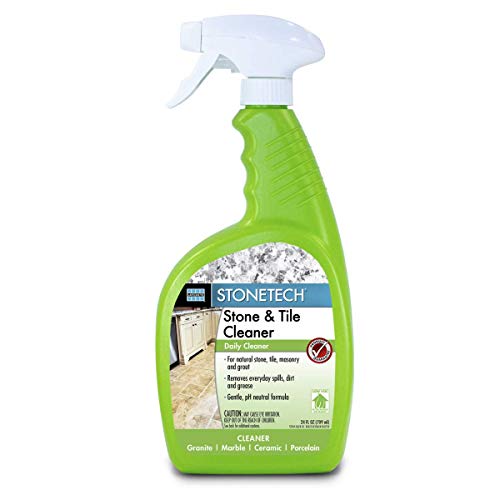
- Slate tile cleaner spray natural stone — a pH-balanced cleaner designed for natural stone surfaces
- Stiff nylon grout brush for tile cleaning — for grout lines and tough areas
- Pumice stone bathroom tile cleaner natural stone — for hard mineral deposits on slate fixtures


Before You Start
Prepare the shower area by removing all items and ensuring good ventilation. Test any cleaner on a small, inconspicuous area of slate first to confirm it won’t discolor or dull the finish. Wear gloves to protect skin and avoid inhaling fumes. Plan a cleaning window of 20–30 minutes for routine cleaning, or longer for heavy buildup. Critical caution: never use acidic cleaners like undiluted vinegar or lemon juice on slate, as acids can etch the surface.
Step-By-Step: How To Clean Slate Tiles In The Shower
- Remove loose debris and wipe down surfaces with a dry microfiber cloth to lift dust and soap film.
- Rinse tiles with warm water to loosen grime and prepare the surface for cleaning.
- Spray the slate tile cleaner spray natural stone onto the tile, focusing on soap scum and mineral deposits.
- Let the cleaner sit for 3–5 minutes to penetrate buildup; do not let it dry on the surface.
- Use the stiff nylon grout brush for tile cleaning to scrub grout lines and tile edges in circular motions.
- For stubborn spots, apply a small amount of pumice stone bathroom tile cleaner natural stone to a damp stone pad and gently rub in one direction; rinse frequently.
- Rinse thoroughly with clean water, ensuring all cleaner and residue are removed from both tiles and grout.
- Dry the surface with a clean towel or microfiber cloth to prevent water spots and mold growth.
- Inspect for remaining buildup; repeat targeted cleaning on any persistent areas.
- Seal the grout if it’s unsealed or shows wear, following the manufacturer’s guidance after cleaning.
- Establish a maintenance routine: light weekly wipe-down and a deeper clean every month to keep slate looking fresh.
Troubleshooting
| Symptom | Likely Cause | Fix | Prevention |
|---|---|---|---|
| White haze or residue on tiles | Cleaner residue or hard water deposits | Rinse thoroughly; rewash with a small amount of cleaner and rinse again | Rinse after each shower; dry surfaces |
| Staining on slate | Mineral deposits or soap scum | Apply cleaner and scrub with grout brush; repeat as needed | Wipe down after use; use stone-safe cleaners |
| Discoloration after cleaning | Acidic cleaner exposure | Discontinue acid cleaners; switch to pH-balanced stone cleaner | Test products on hidden area first |
| Persistent mildew in grout | Moisture retention | Improve ventilation; treat grout with mildew-safe cleaner | Run exhaust fan; dry the shower after use |
Common Mistakes
- Using acidic or abrasive cleaners on slate, which can etch and dull the surface
- Skirting around grout without cleaning it, leading to hidden buildup
- Over-wetting the area or letting cleaner sit too long, causing streaks
- Neglecting to dry tiles after cleaning, promoting mildew growth
- Using hard scrubbing tools that scratch the stone surface
Tips For Best Results
- Schedule routine cleanings to prevent heavy buildup and minimize scrubbing time
- Choose a slate tile cleaner spray natural stone with a neutral pH and no harsh solvents
- Pair cleaner use with a soft microfiber cloth for final buffing
- Ventilate the bathroom well during cleaning and drying to limit mold growth
- Apply grout sealant after a thorough cleaning to protect against moisture and stains
Call A Professional
Consider contacting a professional if slate tiles show deep etching, severe staining, or grout damage that won’t respond to routine cleaning. Seek expert help for large showers, structural concerns, or if the tile or grout needs resealing. Stop cleaning when you notice persistent discoloration, cracking, or efflorescence, which may indicate underlying issues.
FAQ
What cleaners are safe for slate tiles in a shower?
Choose a pH-balanced stone cleaner designed for natural stone to avoid etching.
Can I use vinegar to clean slate in the shower?
Avoid acidic cleaners like vinegar; they can damage slate over time.
How often should I clean slate shower tiles?
Light weekly cleaning with routine deeper cleans every month is effective.
How do I refresh dull slate grout?
Scrub with a grout brush and use a stone-safe cleaner; reseal if porous grout shows wear.
Is sealing grout necessary after cleaning?
Yes, sealing helps prevent moisture and staining, particularly on unsealed grout.
Buying Guide
When selecting cleaning products and tools for slate tiles in a shower, consider several factors to balance effectiveness with stone safety.
- <bSize and scope: For large showers, invest in a reliable spray bottle of slate tile cleaner spray natural stone and a dedicated grout brush for easier reach in corners.
- <bNoise level: Manual brushing is quiet; electric scrubbers can speed up routine cleanups but may be louder.
- <bEnergy efficiency: Not directly relevant to cleaning products, but using efficient, refillable cleaners reduces waste.
- <bControls: Easy-to-use spray bottles with adjustable spray patterns help control application on vertical surfaces.
- <bPlacement: Store cleaners away from heat sources and out of reach of children; keep brushes dry between uses to prevent odor.
- <bPerformance: Prioritize pH-balanced, silica-safe formulas that are labeled for natural stone and grout protection.
- <bCompatibility: Ensure products are suitable for slate and do not contain acids or solvents that risk etching.
- <bMaintenance routine: Pair products with a soft cloth and a stiff nylon grout brush for best results.
Would you like recommendations tailored to a glow-up for your specific slate shade or shower layout? A well-chosen combination of cleaner, brush, and occasional pumice stone touch-ups can keep slate tiles looking fresh for years.
Leave a Reply