How to Clean Silver and Restore Sterling Shine
Silver objects, from jewelry to heirloomware, can lose their luster as tarnish forms a dull, gray layer. With simple, household-friendly steps, most silver items can be restored to a bright, reflective finish. This guide covers safe methods using common tools and specific products designed for sterling silver care.
Quick Answer
Gently remove tarnish with a dedicated silver cleaning method, starting with mild polishes or a silver tarnish remover liquid. For delicate pieces, use a microfiber polishing cloth to avoid scratches. Always test a hidden area first and dry thoroughly after cleaning to prevent water spots.
What You’ll Need
The following tools and supplies are commonly sufficient for routine silver care. The list leans on the provided product keywords to ensure effective, safe results:
- Sterling silver polishing cloth microfiber
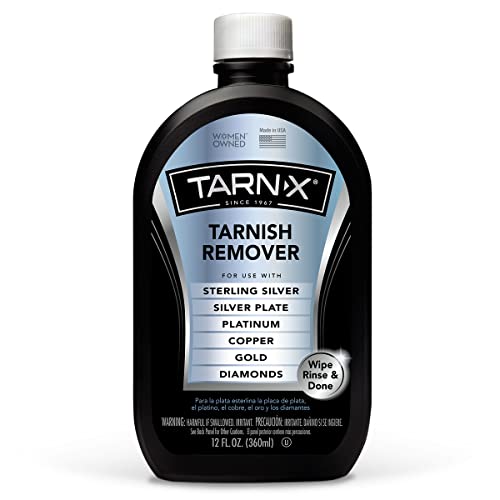
- Silver tarnish remover liquid for sterling silver
- Silver cleaning kit jewelry care polishing cloth


Before You Start
Before cleaning, inspect each piece for loose stones, fragile clasps, or ornate engravings that could trap tarnish or become damaged by moisture. If a piece is broken or has delicate settings, consult a professional. Work in a well-lit area and wear gloves if you have sensitive skin. Allow time for drying and avoid soaking pieces with glued components. Never use abrasive pads on soft or antique silver as they can scratch or dull the surface.
Step-By-Step: How To Clean Silver
- Set up a clean workspace and lay out all cleaning materials. Start with the mildest method first to minimize risk of damage.
- For everyday pieces, wipe with a sterling silver polishing cloth microfiber to remove oils and initial tarnish without removing patina that some collectors value.
- Prepare a gentle cleaning bath if deeper tarnish exists. Use warm water and a small amount of silver tarnish remover liquid for sterling silver following the product instructions.
- Dip or dampen a soft cloth or cotton swab and massage the surface in a circular motion, working from the outside edges toward the center of each panel.
- Avoid soaking delicate items like vintage bangles with rivets or porous inlays; instead, focus on spot cleaning with a cloth and minimal liquid.
- Rinse thoroughly with clean lukewarm water to remove any cleaning residue that could cause dulling over time.
- Dry completely with a lint-free microfiber cloth, paying special attention to crevices and settings where moisture can linger.
- Inspect for remaining tarnish. If needed, repeat the gentle cleaning step on stubborn areas, avoiding excessive friction.
- Polish engraved or textured surfaces with a soft brush or a microfiber cloth to reach into small grooves without scratching.
- Store silver in a dry, cool place, ideally in anti-tarnish bags or with silica gel packs to slow tarnish between uses.
- For pieces with gemstones or enamel, check compatibility of cleaning products with those materials before proceeding.
- Maintain a regular cleaning routine—quick wipes after wear and periodic deep cleans help preserve shine longer.
Troubleshooting
| Symptom | Likely Cause | Fix | Prevention |
|---|---|---|---|
| Dull finish after cleaning | Residual tarnish or cleaning residue | Rinse thoroughly and dry completely; re-clean with a gentle cloth | Use a polishing cloth first for light tarnish |
| Scratches appear | Abrasion from abrasive tools or rough cloth | Switch to microfiber cloths and avoid pads | Store separately and handle with care |
| Green or blue discoloration on metal | Reaction with certain cleaners or moisture in crevices | Rinse well and dry; avoid metal-reactive cleaners | Keep pieces dry after cleaning |
| Stones loosened or settings damaged | Overhandling or harsh chemicals | Take to a jeweler for inspection | Choose gentler cleaning methods near stones |
| Persistent tarnish on heavily worn pieces | Metal loss or deep oxidation | Consider professional re-plating or restoration | Regular gentle cleaning to slow tarnish |
Common Mistakes
- Using abrasive pads on silver can scratch and dull the surface
- Submerging pieces with glued components or pearls in liquid cleaners
- Cleaning in warm or hot water, which can accelerate tarnish in some alloys
- Neglecting to dry fully, which invites water spots and further tarnish
Tips For Best Results
- Test cleaners on an inconspicuous area first to confirm compatibility
- Use separate cloths for each piece to avoid cross-contamination of oils and residues
- Polish regularly rather than waiting for heavy tarnish to build up
- Store silver in dry, low-humidity conditions and consider anti-tarnish storage options
- Diffuse tarnish on textured surfaces with a soft brush to reach crevices
Call A Professional
Seek professional help if a piece has delicate inlays, intricate filigree, or stones that could be damaged by cleaning solutions. Stop cleaning and contact a jeweler if you notice cracks, loose settings, or discoloration that might indicate underlying structural issues. Do not attempt aggressive polishing on antique items of significant value without expert guidance.
FAQ
How often should I clean silver?
Clean as needed based on tarnish buildup and wear. Quick wipes after use can reduce the frequency of deeper cleanings.
Can I use toothpaste to clean silver?
Toothpaste is abrasive and can scratch silver; avoid using it for routine cleaning.
Is warm water better than cold for cleaning silver?
Warm water helps dissolve oils but avoid hot temperatures that may affect delicate finishes.
What is the safest method for silver with gemstones?
Use gentler cleaning methods and avoid soaking; test on inconspicuous areas and follow gemstone-specific care guidance.
Buying Guide
When choosing silver cleaning tools and products, consider size of the items you typically clean. For jewelry and small pieces, compact kits or cloths are convenient, while larger silverware may benefit from liquid cleaners and deeper polishing tools. Noise level, energy efficiency, and ease of use are important factors for at-home care routines.
Key buying factors to compare include:
- Size and scope of the cleaning kit or cloth set
- Effectiveness against tarnish and ease of use on different finishes
- Material safety for gemstones, engravings, and enamel
- Storage compatibility and anti-tarnish options
- Instructions clarity and whether test patches are recommended
For most American households, a dedicated silver cleaning kit with a microfiber polishing cloth and a tarnish remover liquid offers a balanced combination of safety and efficacy. Consider your typical pieces—jewelry, heirloomware, or both—and choose products that specify suitability for sterling silver to ensure optimal results.
Leave a Reply